
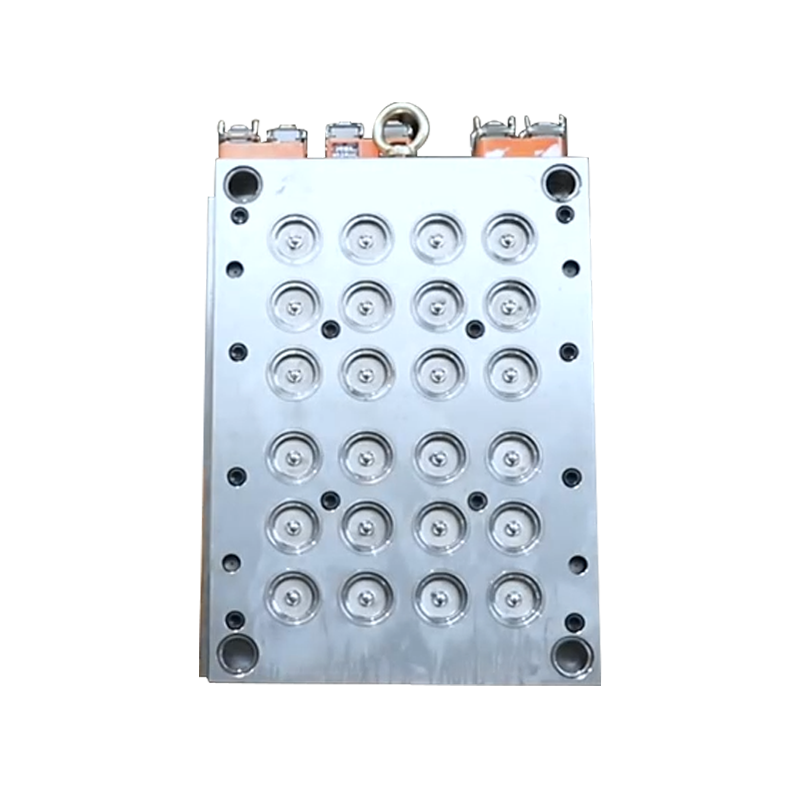
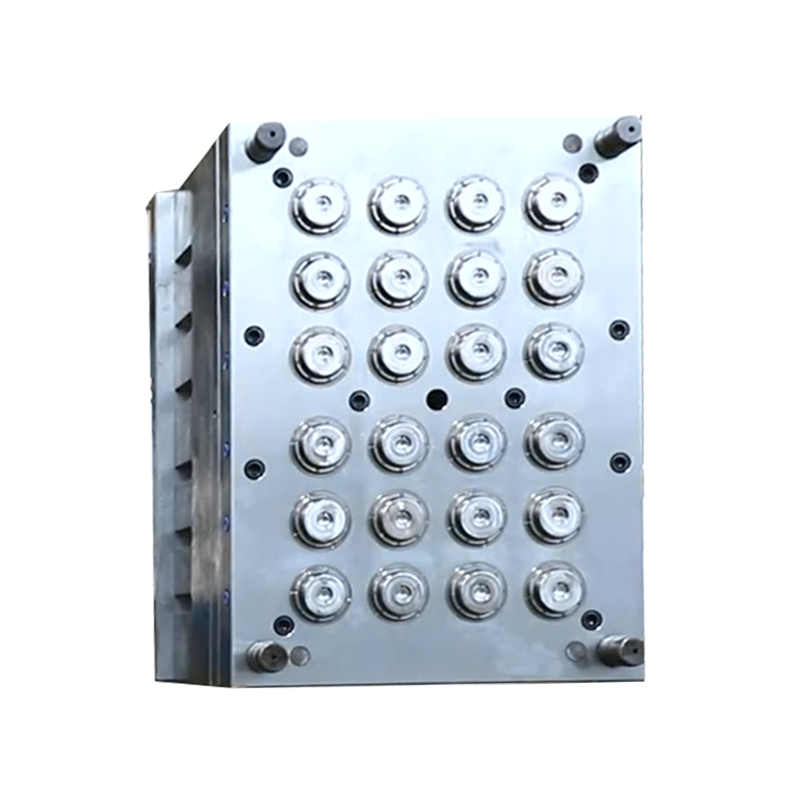
| Bottle cap product material: | PE |
| Product production cycle: | 4 molds per minute |
| Mold base material: | P20 |
| Mold core material: | S136 and H13 combination |

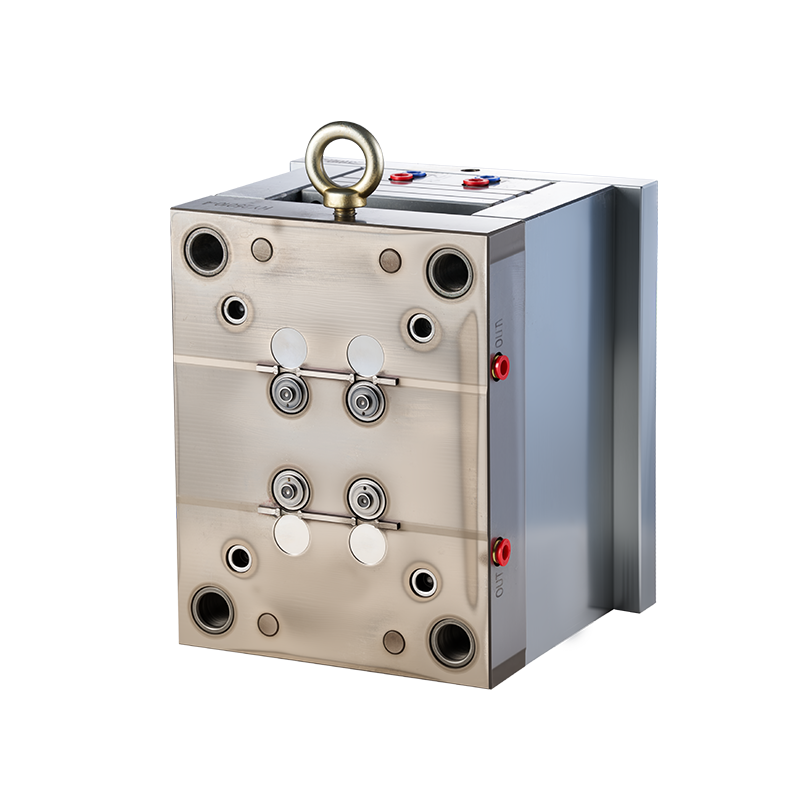
38-Cavity Clamshell Mold
10l Oil Bottle Cap Mold
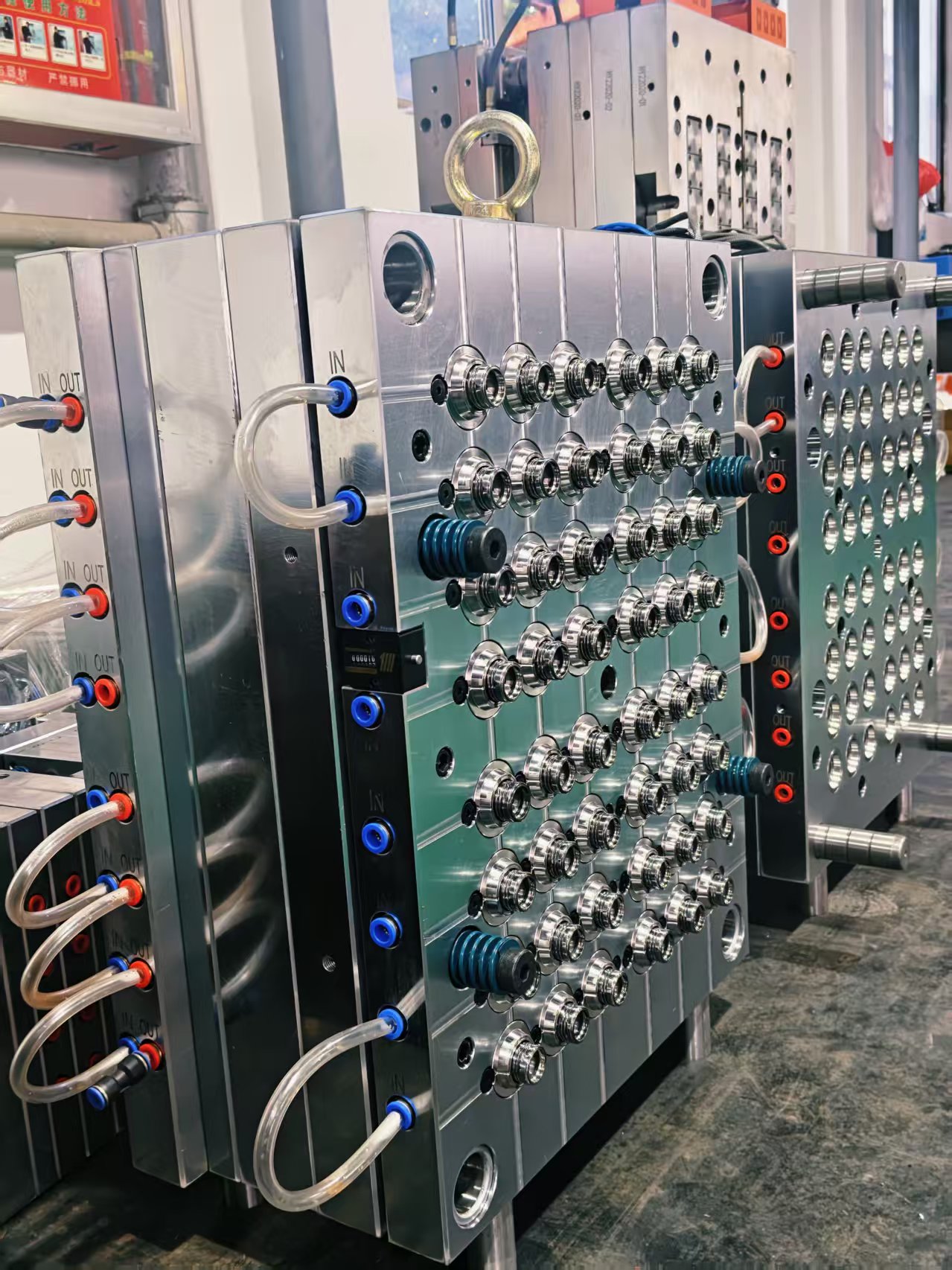
28-Port Water Cap Mold
30 Mouth Mineral Water Cap Mold
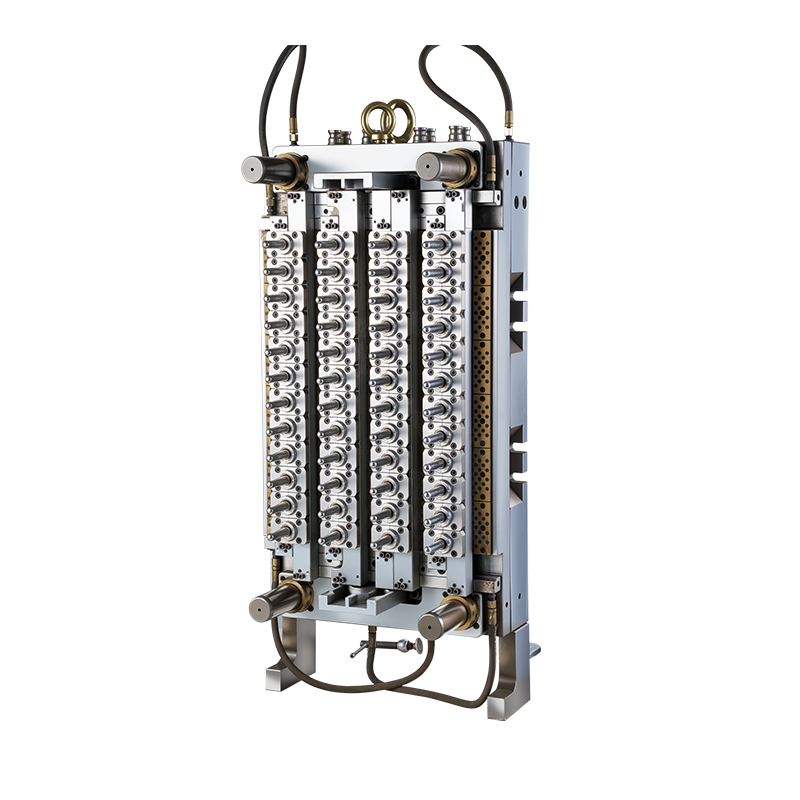
28 Bottle Preform Molds
38 Mouth Milk Cap Mold
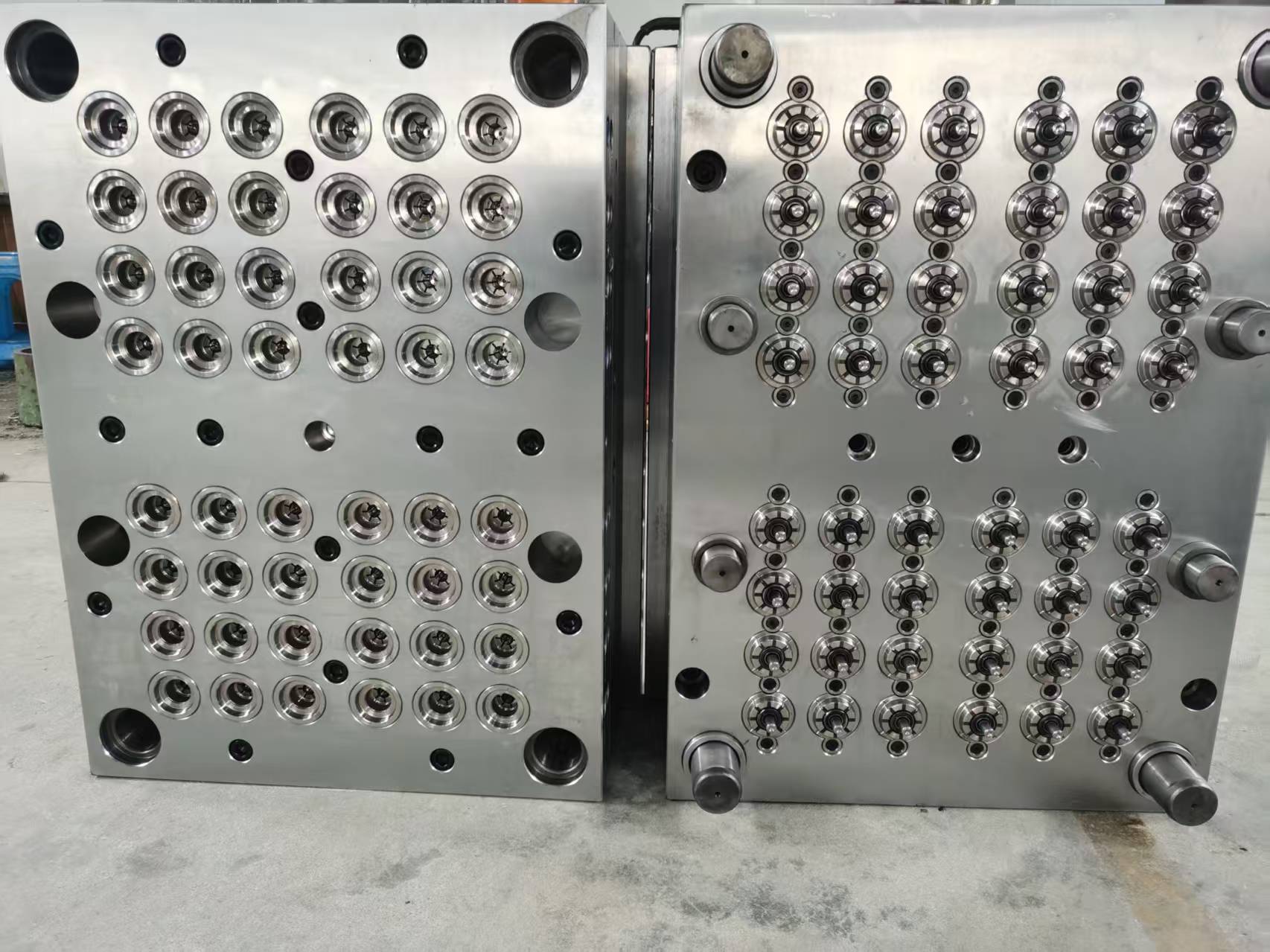
48 cavity mosquito repellent liquid bottle cap mold with a diameter of 24mm
65 Mouth Dust Cover Mold
Eye Drops Bottle Cap Mold
Before a plastic bottle ever takes its final shape, it starts out as a preform — a small, ...
READ MOREA plastic bottle does not begin as a bottle. It begins as a preform — a short, thick-walle...
READ MOREThere is a bottle cap mold factory somewhere that made the mold for the cap sitting on wha...
READ MOREBefore a plastic bottle takes its familiar shape, it starts as a preform — a thick-walled ...
READ MOREBottle cap molds serve as key tools in creating the small but essential closures that keep...
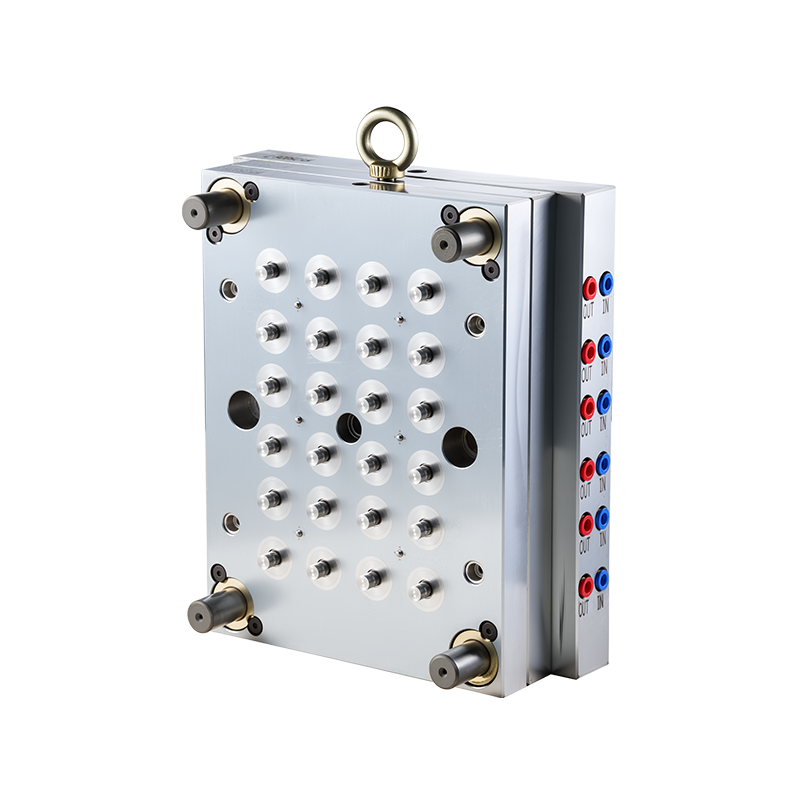
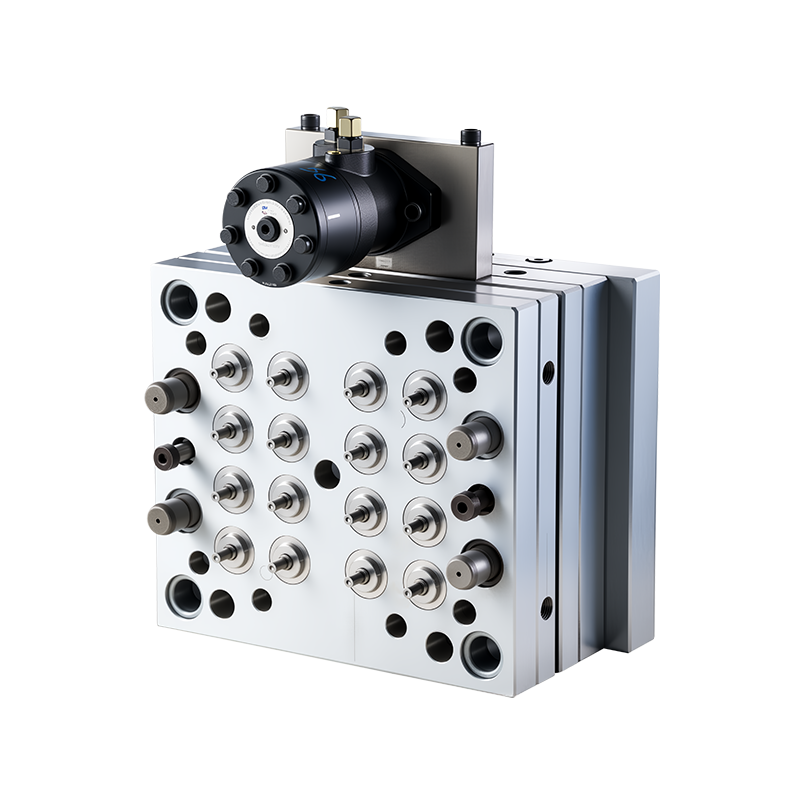
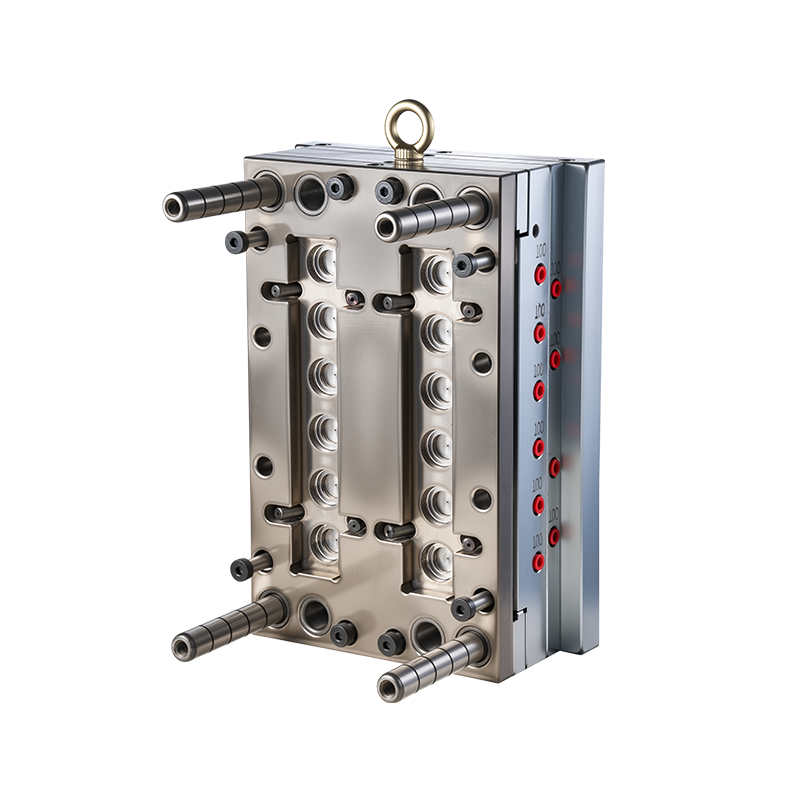
READ MOREA 24-Cavity PE Hot Runner Intelligent Cap Injection Mold is designed for efficient, high-volume production of polyethylene caps. By combining a multi-cavity layout with a hot runner system, it supports stable melt flow, consistent filling, and reduced material waste. The intelligent features allow better monitoring and control of key process parameters, helping improve molding consistency and production efficiency.
Production Logic of the 24-Cavity Design
The core objective of multi-cavity molds is to increase the number of parts produced per unit of time. A 24-cavity configuration is common in bottle cap production, and its design is not simply a matter of adding more cavities, but rather requires a balance between injection molding machine capacity, mold structural strength, and process stability.
From a production logic perspective, the 24-cavity design typically exhibits the following characteristics:
This configuration is highly suitable for large-volume production of PE bottle caps with relatively uniform specifications.
PE Material Characteristics and Mold Matching Relationship
Polyethylene material is widely used in the bottle cap industry. Its processing window, flow properties, and molding shrinkage characteristics place specific demands on the mold structure. The 24-cavity hot runner mold design needs to be specifically matched to the actual performance of the PE material.
The main characteristics of PE material during the injection molding process include:
Based on these characteristics, the mold's runner system, gate structure, and cooling circuit design typically employ symmetrical and balanced approaches to reduce molding differences between different cavities.
The Role of the Hot Runner System in Multi-Cavity Molds
In a 24-cavity bottle cap mold, the main purpose of introducing a hot runner system is to reduce cold runner waste and improve the controllability of melt delivery. Compared to traditional cold runner structures, the hot runner system demonstrates certain overall advantages in multi-cavity applications. Its functional value is mainly reflected in:
During the design and use process, the temperature control accuracy, heating zone division, and ease of maintenance of the hot runner system directly affect the operating status of the mold.
Considerations for structural design balance
One of the most important design principles for a 24-cavity mold at the structural level is balance. Whether it's melt flow, cavity stress, or cooling efficiency, consistency needs to be maintained as much as possible.
In actual design, the following aspects are usually considered:
These designs do not pursue complexity, but rather emphasize stability and repeatability, providing a foundation for long-term operation.
Management and maintenance perspective in production operation
After the mold is put into production, its performance depends not only on the design level but also on the usage and maintenance methods. The 24-cavity hot runner mold has a relatively concentrated structure, which places higher demands on management.
During the production operation phase, the following management points are worth paying attention to:
Through systematic management, performance degradation can be slowed down, and the impact of unexpected downtime on production plans can be reduced.

 +86-15988912600
 No. 25 Maofeng Street, Xinqian Street, Huangyan District, Taizhou City, Zhejiang Province


Lucy
[email protected]


 English
 русский
 Español
 عربى
عربى