

 English
 русский
 Español
 عربى
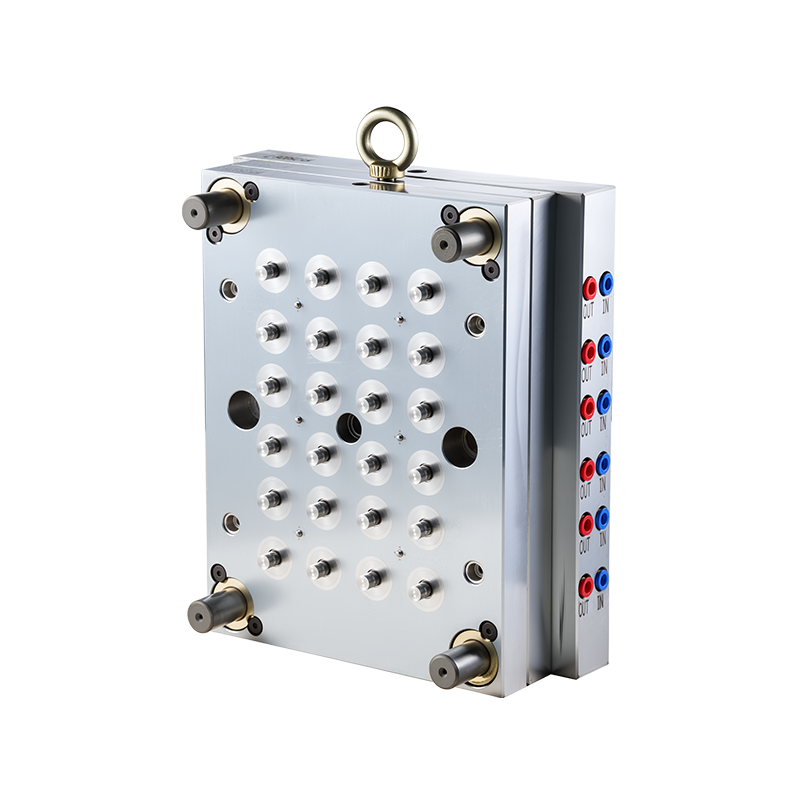
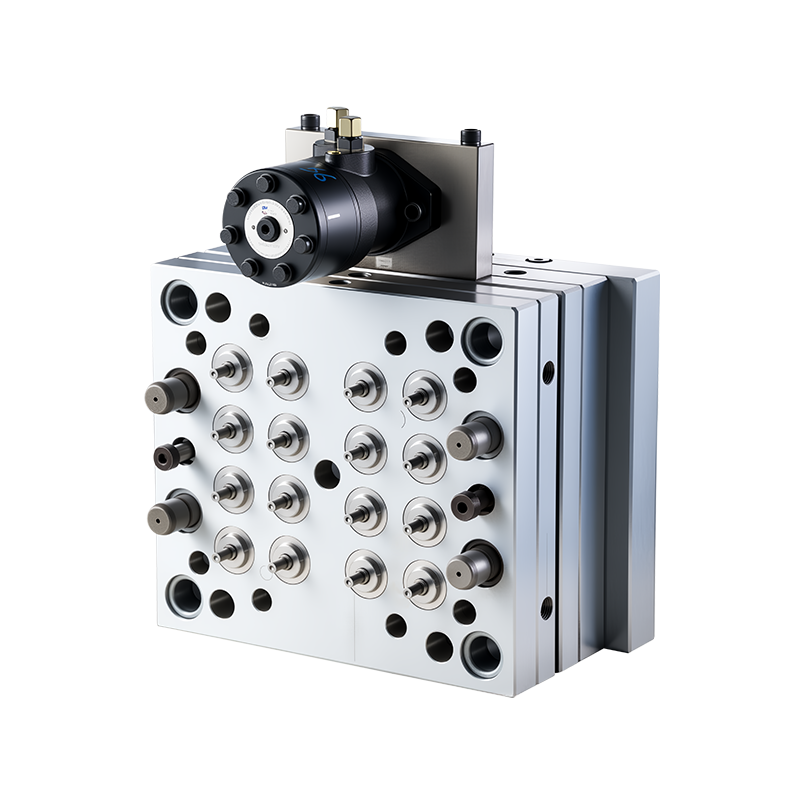
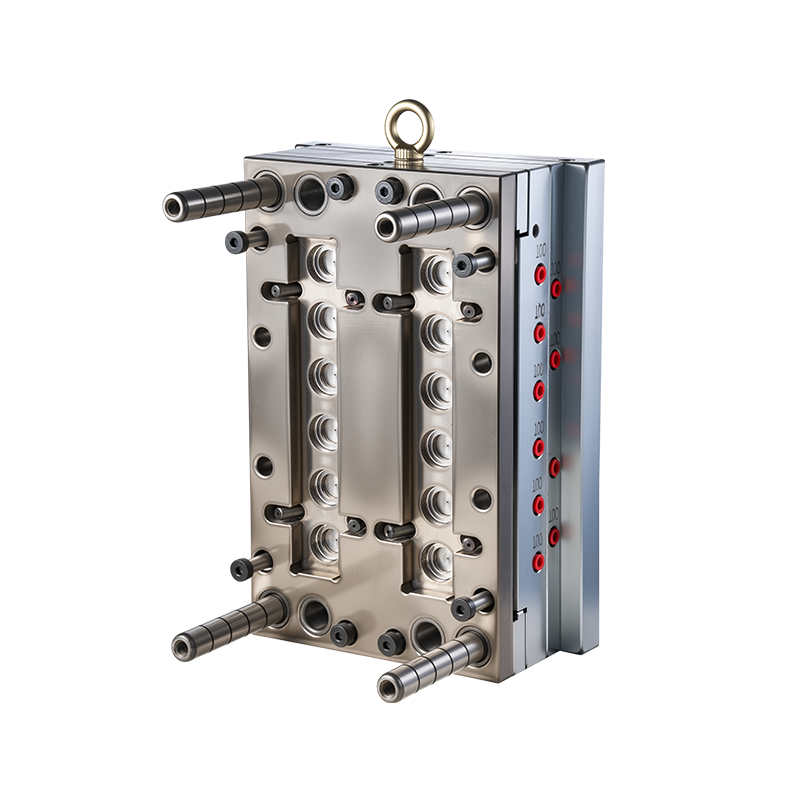
عربىBefore a plastic bottle ever takes its final shape, it starts out as a preform — a small, thick-walled tube with a finished neck and threads already formed. That preform comes directly from a bottle preform mold, a tool that plays a foundational role in the PET packaging supply chain. Without a properly built preform mold, the entire downstream blow molding process has nothing consistent to work with.
What a Preform Mold Actually Produces
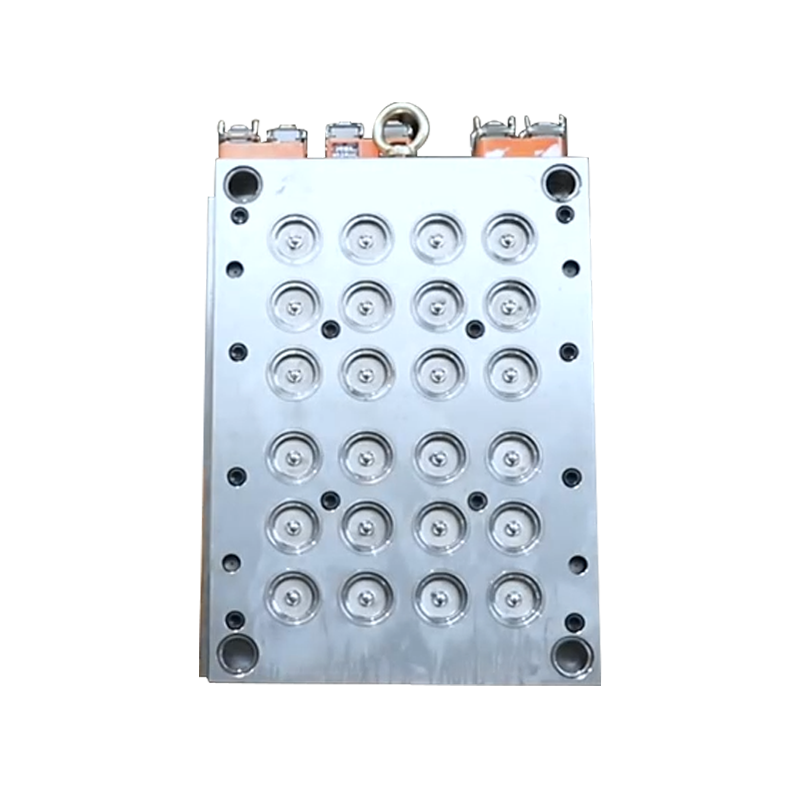
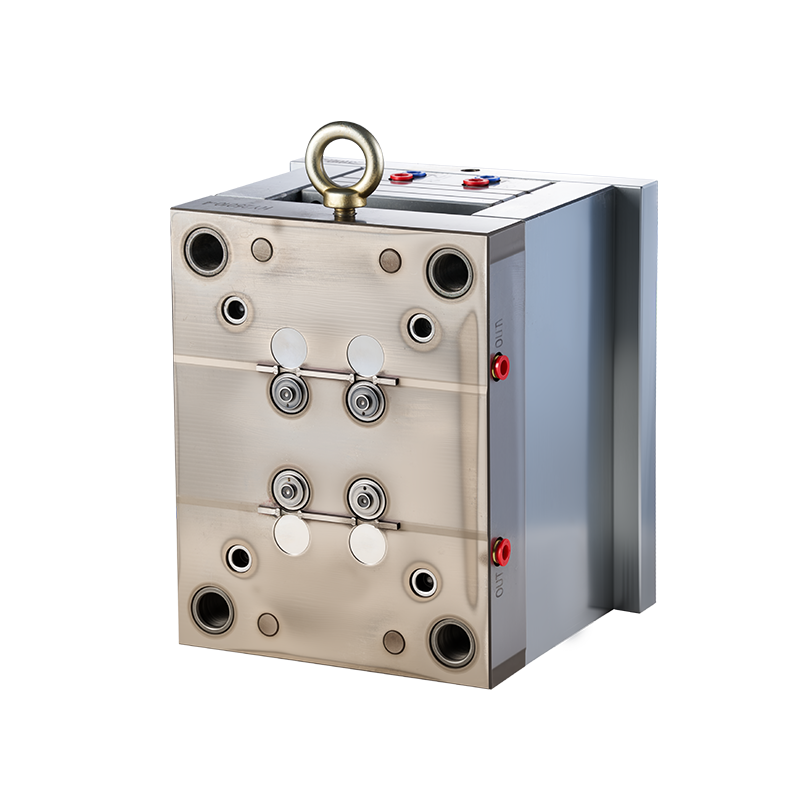
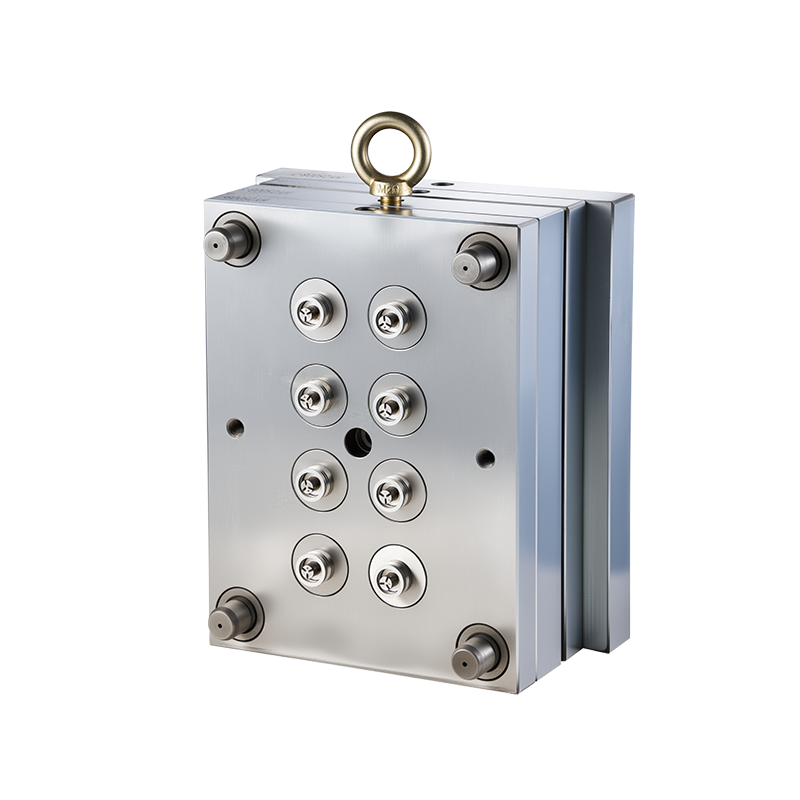
A bottle preform mold is used in injection molding machines to create preforms out of PET resin. Molten plastic is injected into precisely machined cavities, cooled rapidly, and then ejected as a solid preform ready for the next stage of production. The neck finish, wall thickness, and overall length of the preform are all determined at this stage, which means the mold's accuracy directly affects how the final bottle will look and perform once it's blown into shape.
Cavity Count and Production Output
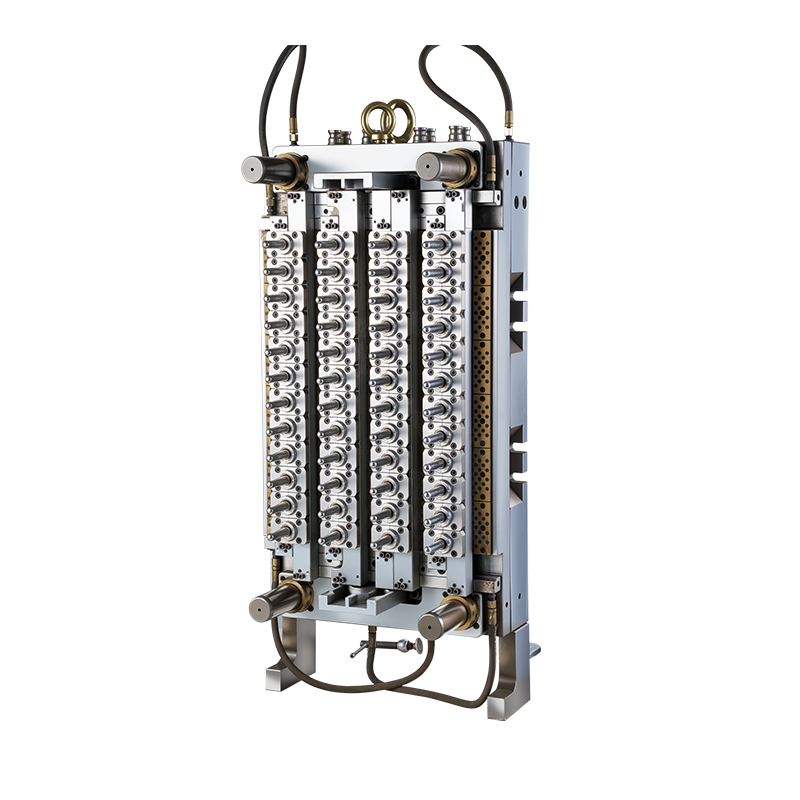
One of the first specifications buyers ask about is cavity count — how many preforms a single mold cycle can produce at once. Molds are available in a range of cavity configurations, from smaller setups suited to lower-volume runs to higher cavity counts designed for continuous, high-speed production lines. Choosing the right cavity count depends on order volume, machine tonnage, and how quickly a buyer needs preforms cycling off the line.
Materials and Construction
Preform molds are typically built from hardened tool steel, chosen for its ability to withstand repeated high-pressure injection cycles without deforming. Core and cavity components are precision-machined to tight tolerances, since even small inconsistencies can lead to uneven wall thickness or neck defects in the finished preform. Cooling channels are engineered directly into the mold body, allowing each cycle to cool efficiently and keeping cycle times steady across long production runs.
Neck Finish Compatibility
Neck finish standardization is a major consideration when sourcing a bottle preform mold. Common neck types include standard PCO threads used for beverage bottles, as well as various finishes suited to household, personal care, or industrial packaging. Buyers often need molds built to match existing cap and closure systems already in use, which makes neck finish compatibility one of the more frequently discussed specs during the sourcing process.
Customization for Different Bottle Applications
Preform molds aren't one-size-fits-all. Wall thickness, preform weight, and cavity layout can all be adjusted depending on whether the final bottle will hold water, carbonated beverages, edible oil, or personal care products. Buyers working on private label or OEM projects frequently request custom mold specifications tailored to a specific bottle design, rather than relying on standard off-the-shelf configurations.
Sourcing Considerations for Buyers
For companies purchasing bottle preform molds — whether for a new production line or to expand existing capacity — key questions typically center on cavity count, steel grade, cycle time expectations, and compatibility with the buyer's existing injection molding machinery. Since preform molds represent a long-term production investment, buyers often request detailed technical drawings and cavity layout diagrams before finalizing an order, ensuring the mold aligns precisely with their production goals.