

 English
 русский
 Español
 عربى
عربىBefore a plastic bottle takes its familiar shape, it starts as a preform — a thick-walled tube of PET resin with a finished neck finish and a sealed base, roughly the size and shape of a test tube. That preform gets reheated and blown into its final container shape in a separate process, but everything about the finished bottle — wall thickness, clarity, structural integrity, weight distribution — traces back to how well the preform mold was designed and manufactured. The bottle preform mold factories that produce these molds occupy a specific and technically demanding position in the packaging supply chain.
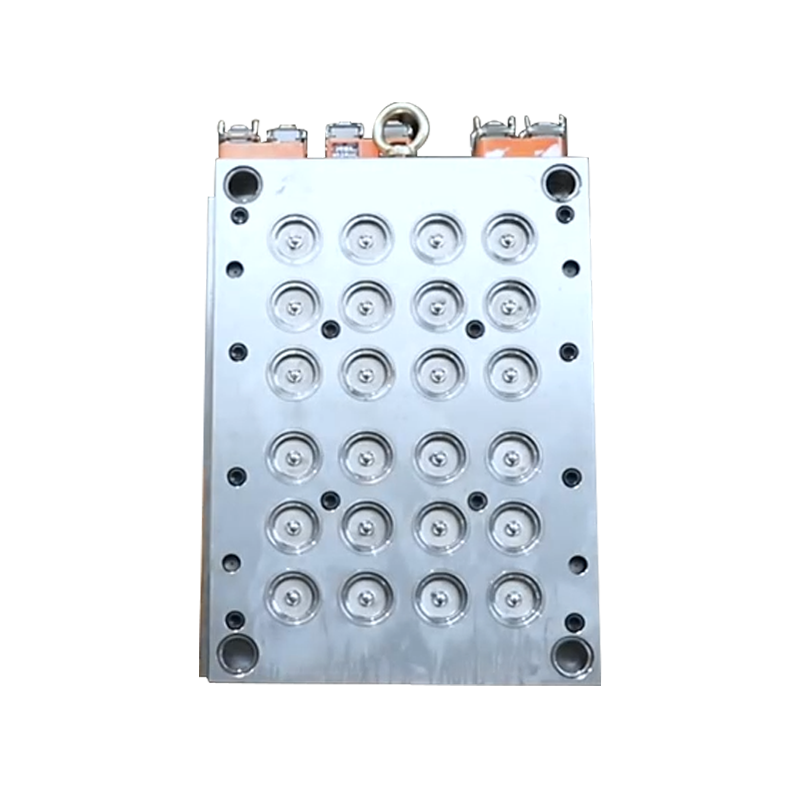
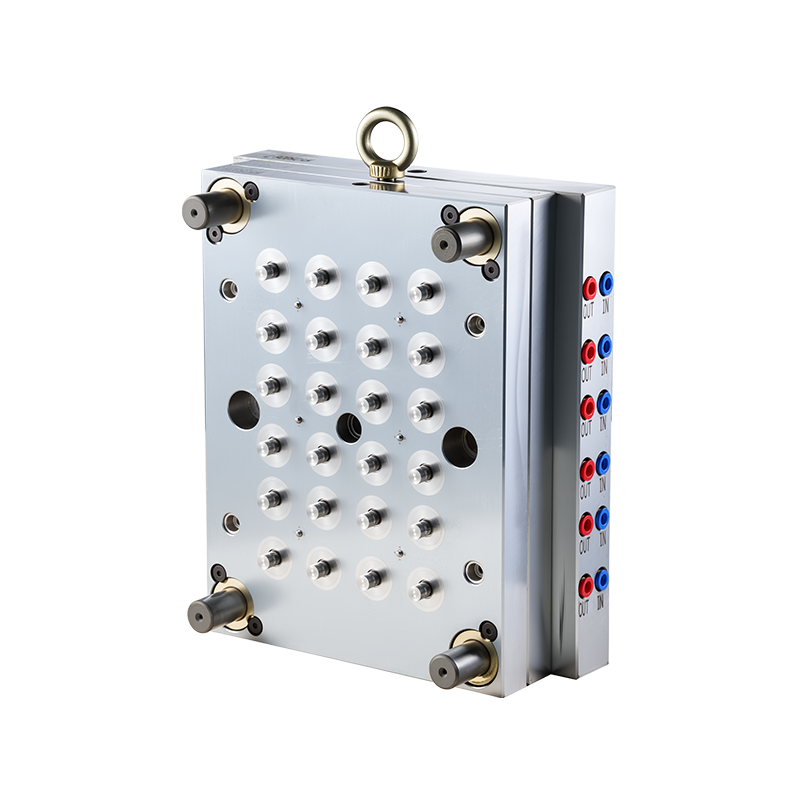
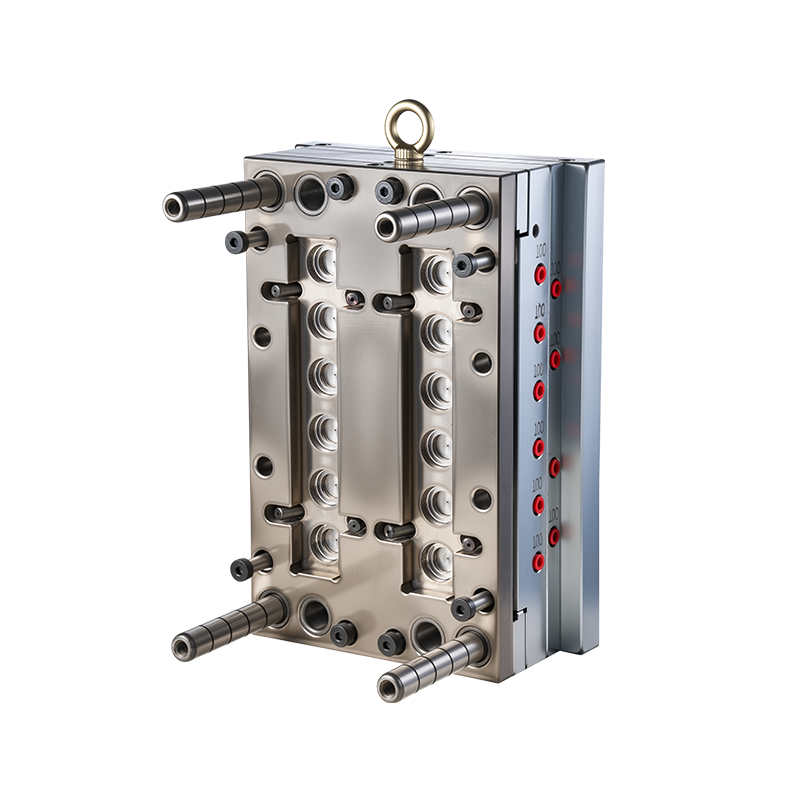
Nobody runs a preform mold with one cavity. The economics do not work that way. A commercial tool carries 16, 32, 48, 72, sometimes 96 cavities, all running inside the same cycle. Every cavity needs to fill at the same speed, shed heat at the same rate, and hand off a preform that matches what the cavity next to it just produced. Do that reliably for a few million cycles and you have a functional mold. Fail at it — even slightly, even in a handful of cavities — and the inconsistency shows up downstream in ways that are difficult and expensive to trace back to the source.
The materials used in preform mold construction reflect the demands of high-speed, high-volume injection molding. Cavity and core components — the surfaces that directly shape the preform — are typically machined from hardened tool steel grades chosen for wear resistance, polishability, and thermal conductivity. The steel needs to accept a mirror-finish polish because any surface irregularity transfers directly to the preform wall and becomes visible in the blown bottle. Cooling channels drilled through the cavity blocks carry temperature-controlled water that pulls heat out of each shot rapidly enough to support cycle times measured in seconds rather than minutes.
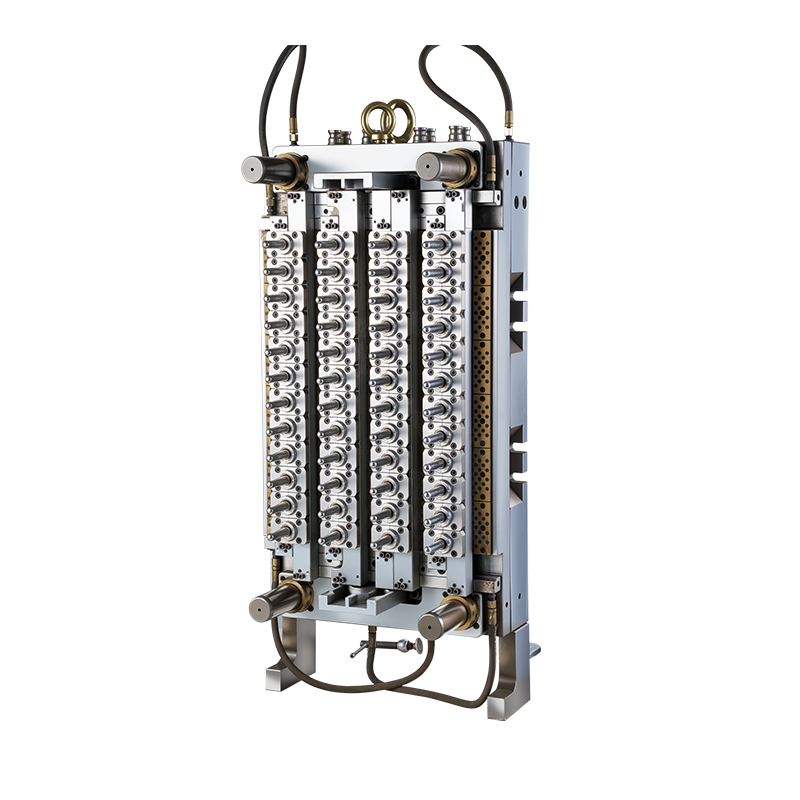
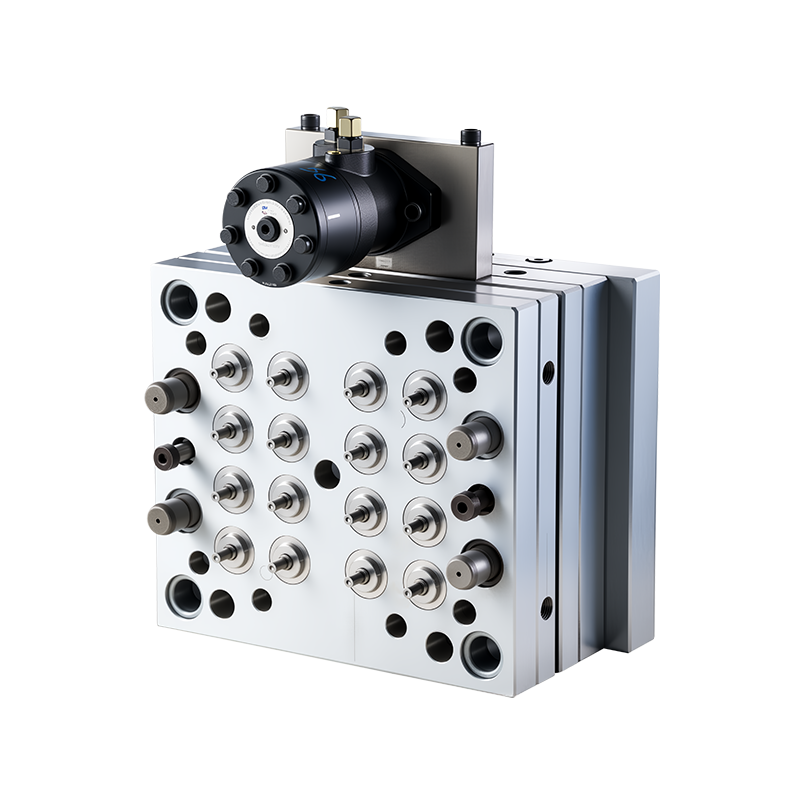
The hot runner system that delivers molten PET from the injection unit to each cavity is another area where factory capability shows clearly. PET is sensitive to heat history — resin that sits too long at processing temperature degrades, producing acetaldehyde that affects taste in beverage applications and visible yellowing that affects clarity. A well-designed hot runner maintains consistent melt temperature across all feed points, balances flow to each cavity, and minimizes residence time. Poorly balanced hot runners produce preforms with inconsistent wall distribution that cause problems downstream in the blow molding process.
Neck finish dimensions receive particular attention in preform mold design because the neck is the one part of the preform that does not change shape during blow molding. The thread profile, the support ledge, the tamper-evidence band area — all of these are formed entirely in the preform mold and must match the closure system the bottle will use. Dimensional variation in the neck finish affects cap application, seal integrity, and compatibility with filling line equipment. Preform mold factories working with beverage customers typically hold neck finish tolerances tighter than other dimensional specifications on the preform.
Bottle preform mold factories serve customers across beverage, food, personal care, pharmaceutical, and household chemical packaging. The technical requirements shift between these segments — beverage applications prioritize optical clarity and taste neutrality, while chemical packaging may prioritize wall strength and chemical resistance over aesthetics. Factories with experience across multiple segments tend to bring broader design knowledge to new projects, drawing on solutions developed in one application area when addressing challenges in another.