

 English
 русский
 Español
 عربى
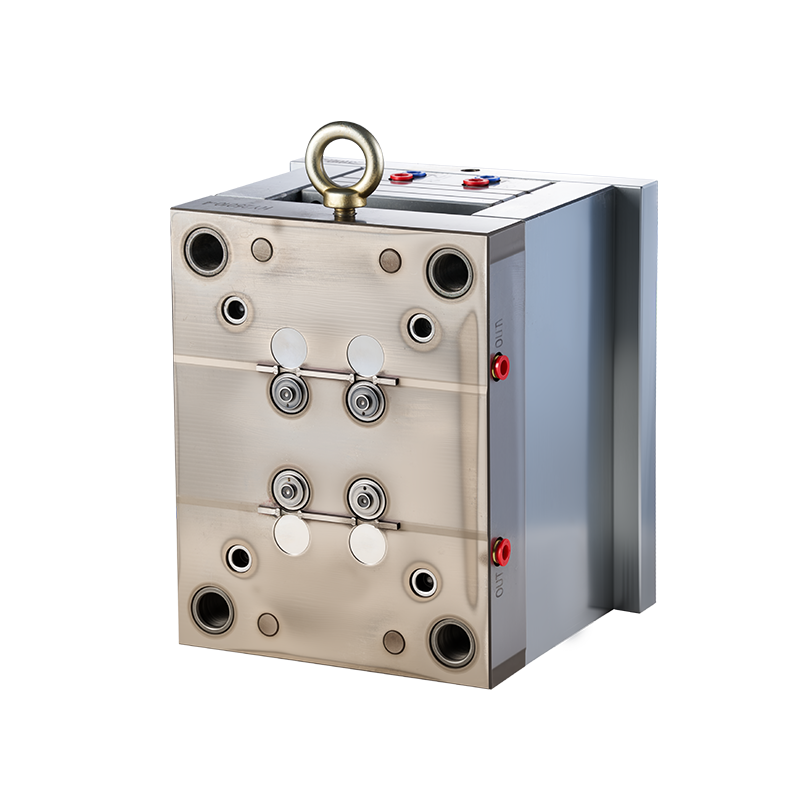
عربىA plastic bottle does not begin as a bottle. It begins as a preform — a short, thick-walled tube of PET resin with a finished neck and a sealed base, small enough to hold in one hand, shaped roughly like a test tube. That preform gets loaded into a blow molding machine, reheated, and stretched into its final container shape under air pressure. The bottle's wall thickness, clarity, structural balance, and material distribution are all determined before the blowing stage begins. They are determined by the Bottle Preform Mold.
That connection between mold quality and finished bottle quality is why preform mold specification gets taken seriously by packaging engineers and procurement teams working in beverage, food, personal care, and household chemical production. A mold that produces dimensionally inconsistent preforms creates problems that cannot be corrected in blow molding — they can only be managed, at a cost.
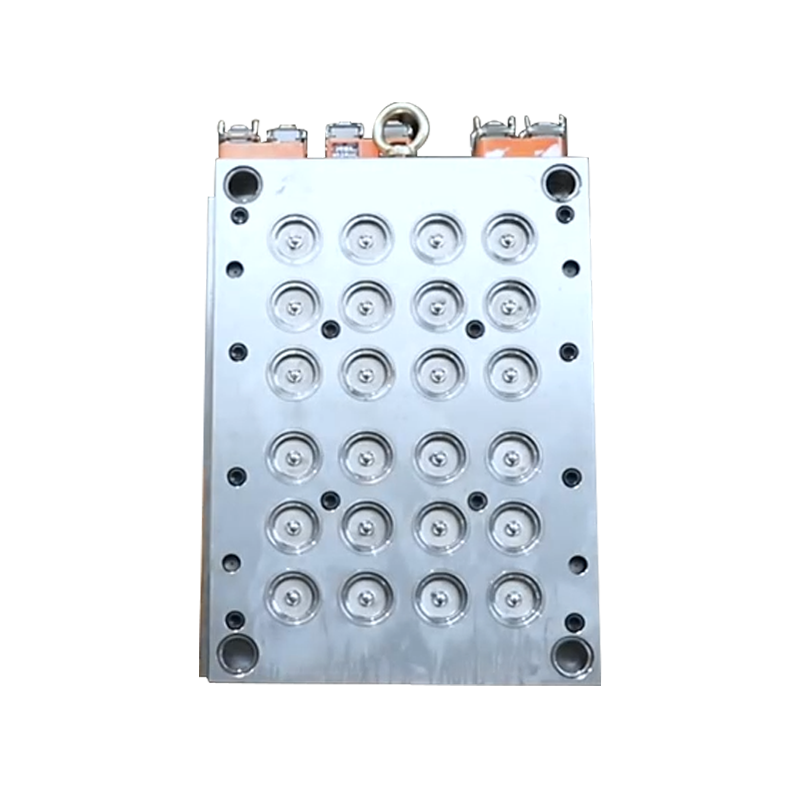
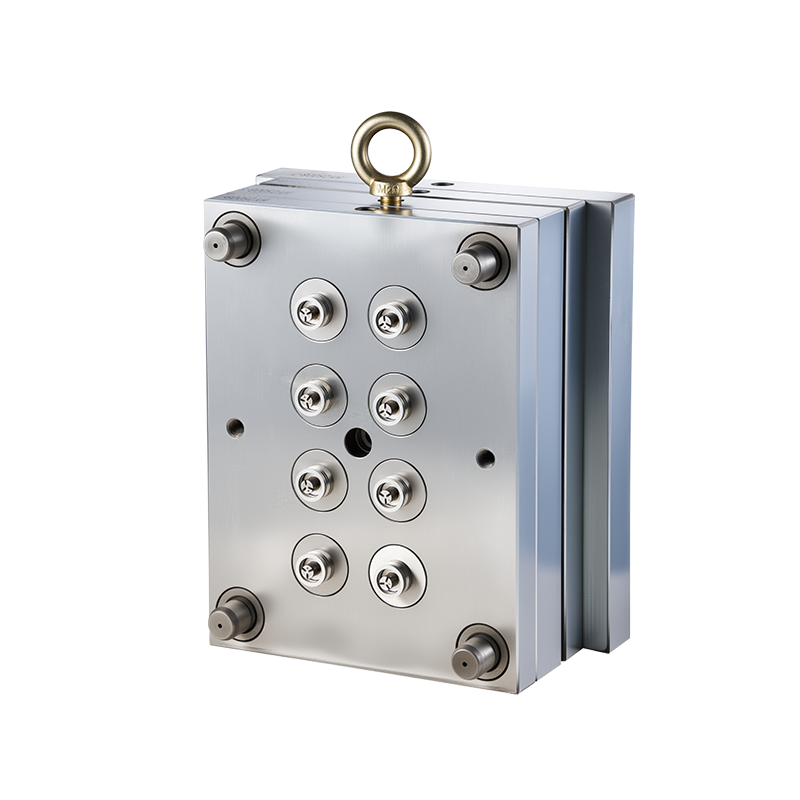
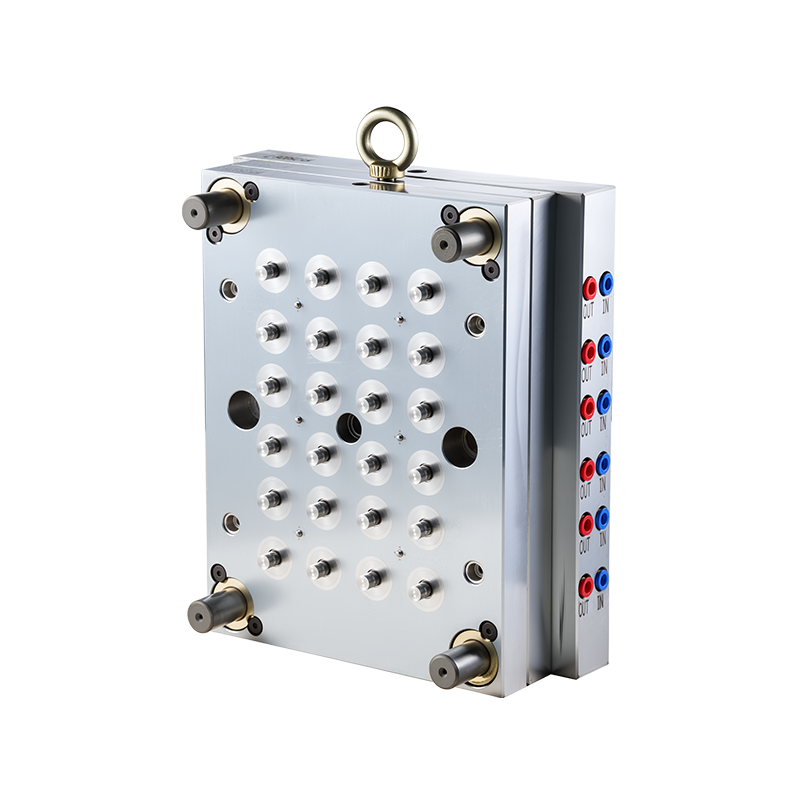
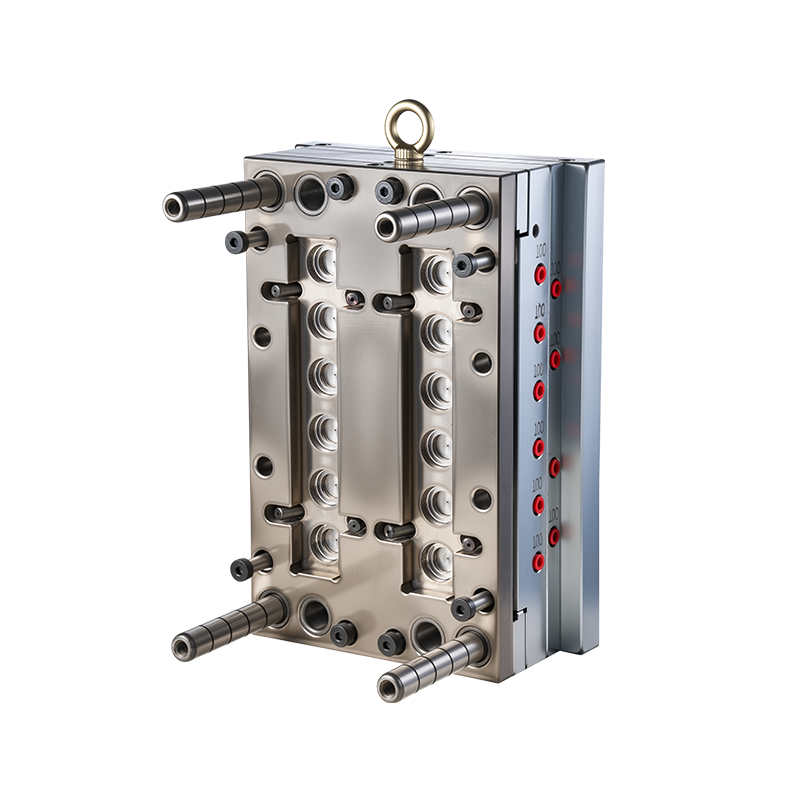
Commercial Bottle Preform Molds are multi-cavity tools. Single-cavity production exists for sampling and low-volume specialty work, but commercial runs operate on molds carrying 16, 32, 48, 72, or 96 cavities simultaneously. Every cavity in that stack needs to fill at the same rate, cool at the same rate, and release a preform within the same dimensional tolerances as every other cavity in the tool. Sustaining that consistency across millions of cycles, over a production run measured in months, is the central performance requirement the mold has to meet.
The materials used to build preform molds reflect those demands. Key components and their material rationale include:
Cavity and core steel — hardened tool steel grades selected for wear resistance, polishability, and thermal conductivity; the cavity surface accepts a mirror finish because any texture or irregularity transfers directly to the preform wall and becomes visible in the blown bottle
Cooling channel system — drilled through the cavity blocks to carry temperature-controlled water, pulling heat out of each shot fast enough to support cycle times in the range of eight to fifteen seconds
Neck finish inserts — often manufactured from a different steel grade than the cavity body, since the neck area requires tighter tolerances and higher surface hardness than the preform body
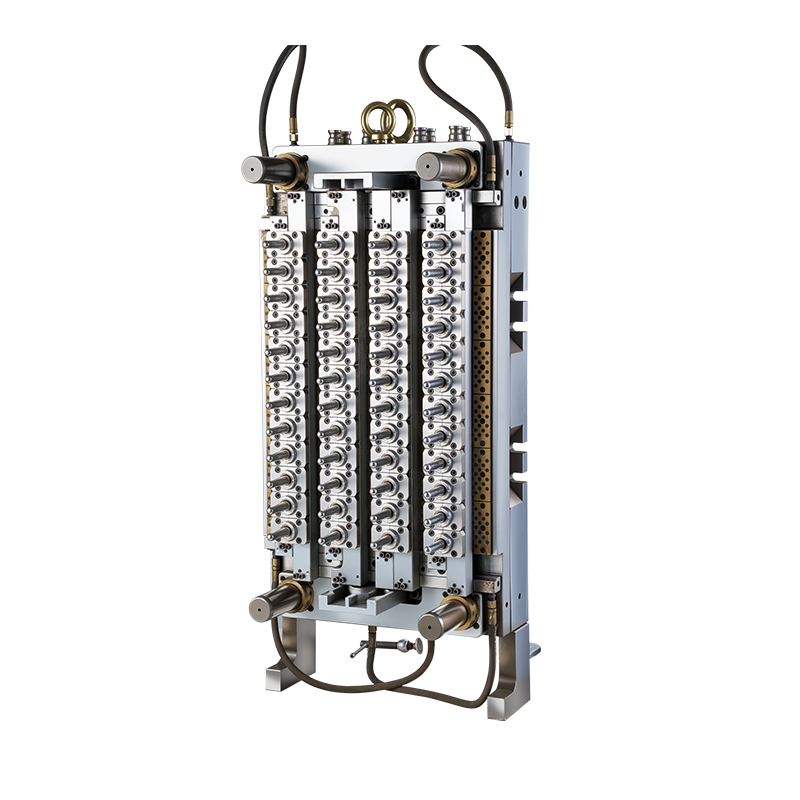
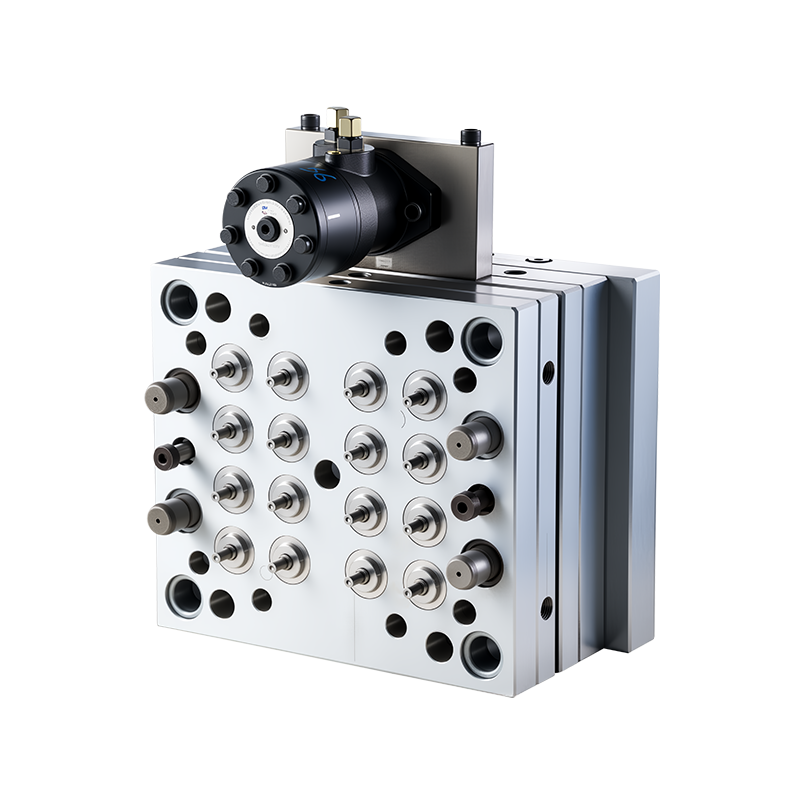
Hot runner manifold and nozzles — the system that delivers molten PET from the injection unit to each gate point; material, design, and balance of this system directly affect fill consistency and resin heat history
The hot runner system deserves particular attention. PET resin is heat-sensitive in a way that some other injection molding materials are not. Resin held at processing temperature for longer than necessary begins to degrade, producing acetaldehyde — a compound that affects taste in beverage applications and causes visible yellowing that reduces bottle clarity. A well-designed hot runner minimizes residence time, maintains consistent melt temperature across all feed points, and balances flow to each cavity. An unbalanced hot runner produces preforms with inconsistent wall distribution regardless of how well the cavity steel was machined.
Wall thickness distribution in the preform body is one of the more consequential variables in the entire production chain. During blow molding, the preform stretches biaxially — simultaneously lengthwise and radially. Material in a thicker section of the preform wall moves differently than material in a thinner section. If the preform wall is uneven, the blown bottle reflects that unevenness, with areas that are thinner than intended and areas carrying more material than the design requires. The first outcome creates structural weak points; the second wastes resin on every bottle produced.
Cavity balance across a multi-cavity tool is validated before the mold enters production. Short-shot trials reveal whether all cavities are filling at the same rate. Dimensional measurement across all cavities confirms that tolerances are being held consistently. Blown bottle trials verify that preforms from different cavity positions produce containers meeting the same volume and wall distribution specifications. Cavities that fall outside acceptable ranges are adjusted before the Bottle Preform Mold is released for production use.