

 English
 русский
 Español
 عربى
عربى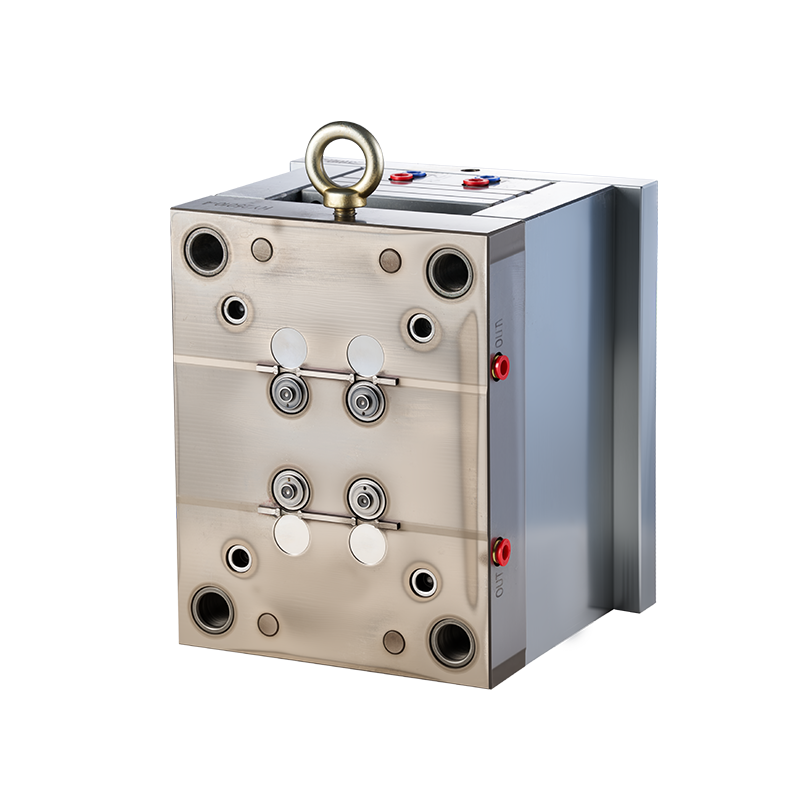
38mm Diameter Tea Powder Cap 12-Cavity Cold Runner Bottle Cap Injection Mold
Features: High-strength mold base and wear-resistant cavity steel ensu...

Haoyan specializes in custom bottle cap and preform mold design and manufacturing. With strong in-house R&D capabilities, optimized mould structures, wear-resistant heat-treated cores, and self-developed high-speed hot runner systems, we ensure stable molding, high surface quality, and flash-free products. All molds are engineered to match customer-specific applications and production goals.
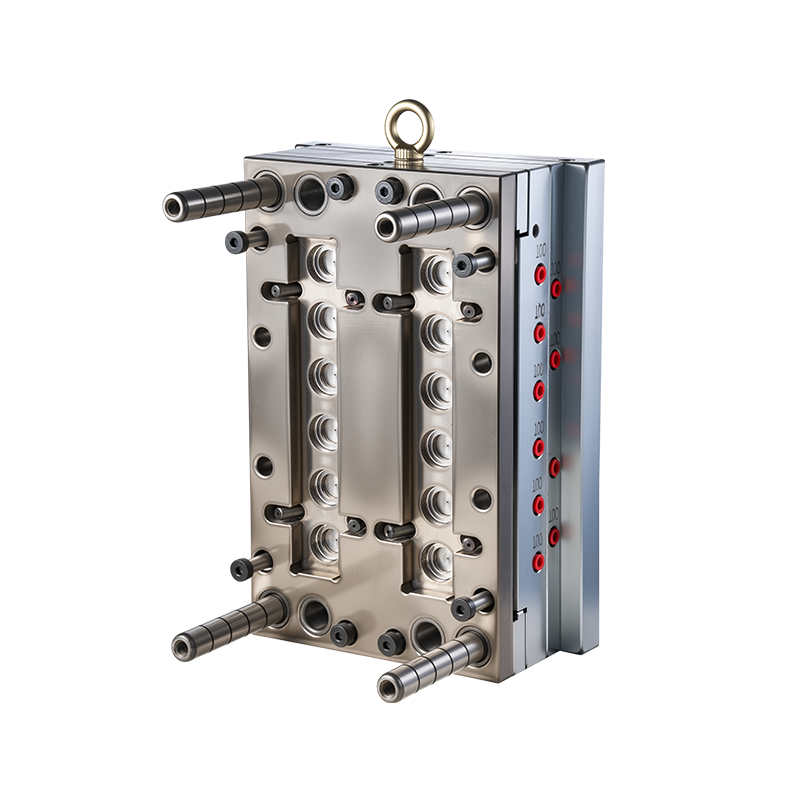
Features: High-strength mold base and wear-resistant cavity steel ensu...
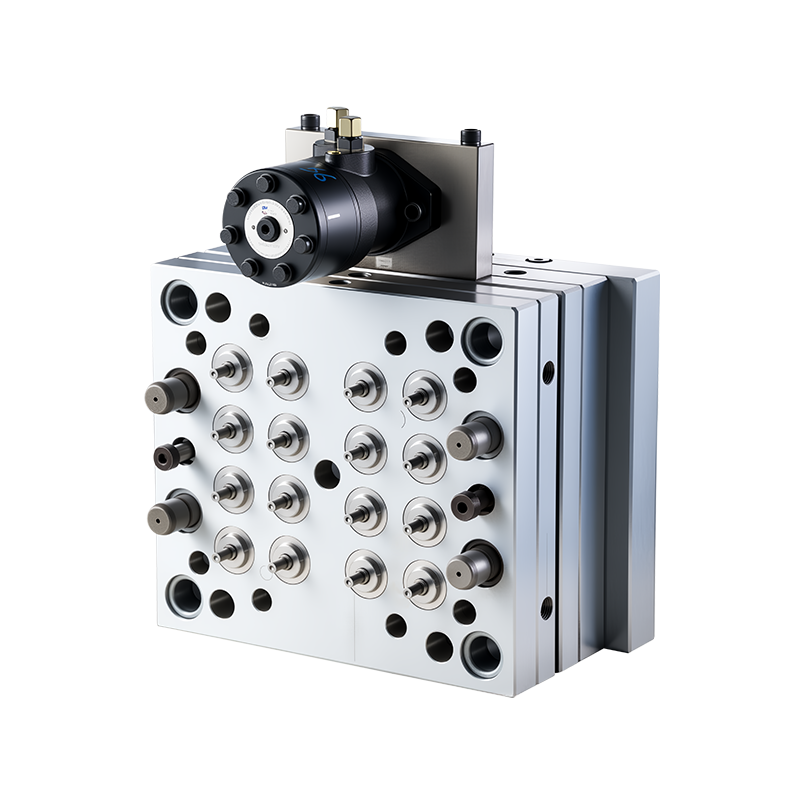
Factory Manufacturing Advantages: Utilizes high-strength mold frames a...
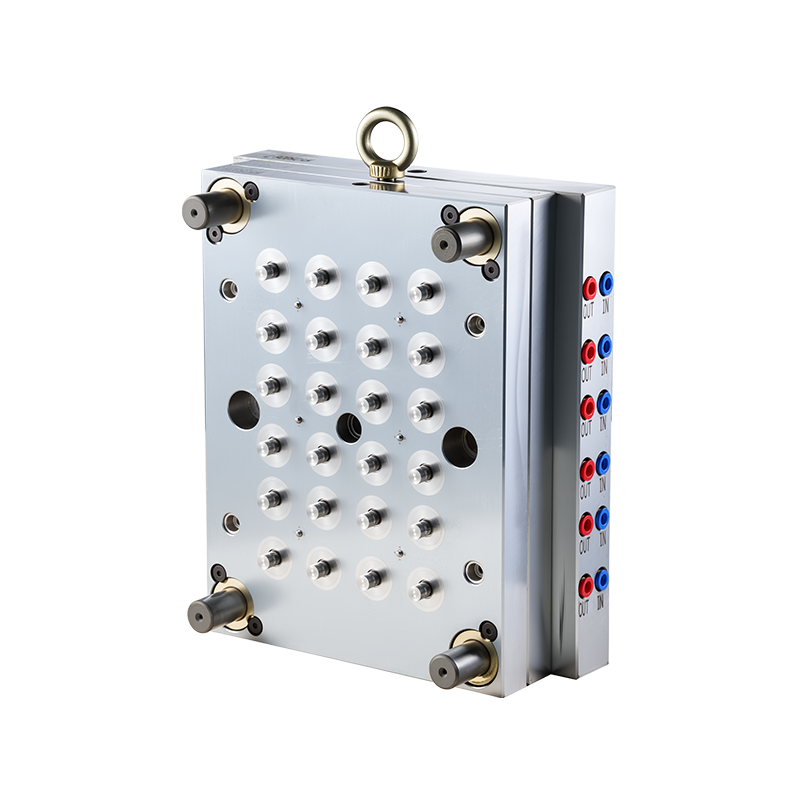
Manufacturing Advantages: Selected high-hardness mold steel and wear-r...
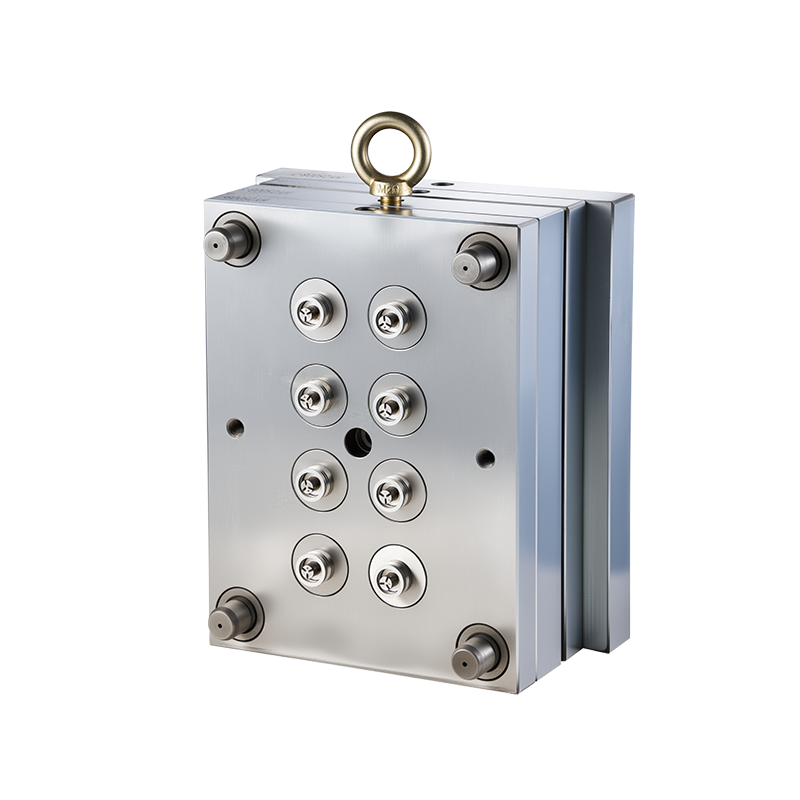
Product Manufacturing Advantages: Utilizing high-strength mold frames ...
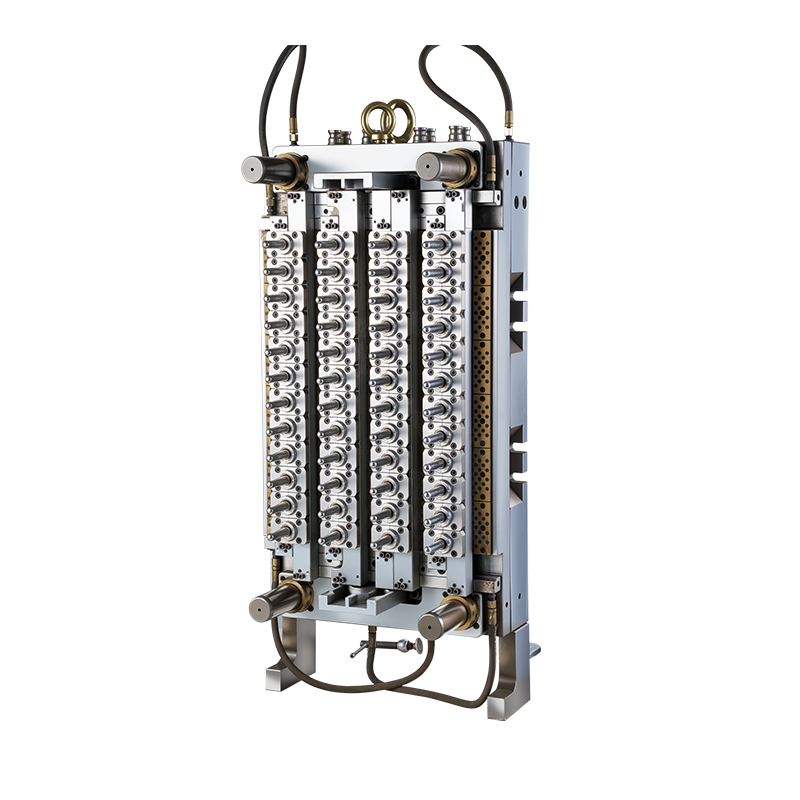
Factory Advantages: Utilizing high-hardness mold steel and precision-m...
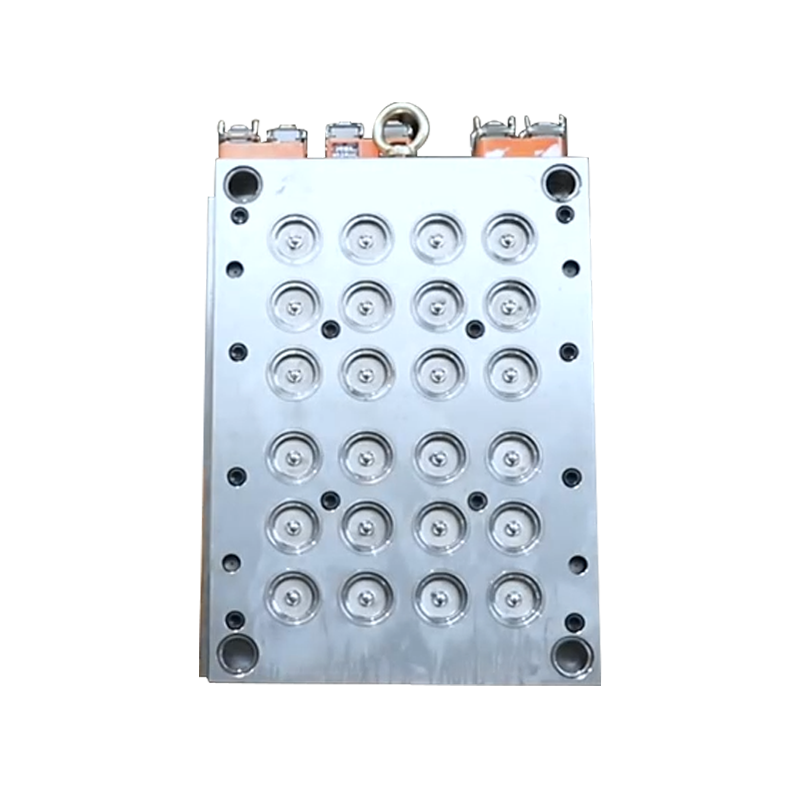
This 24-cavity PE flip-top cap hot runner injection mold is developed ...
There is a bottle cap mold factory somewhere that made the mold for the cap sitting on whatever bottle is nearest to you...
READ MOREBefore a plastic bottle takes its familiar shape, it starts as a preform — a thick-walled tube of PET resin with a finis...
READ MOREBottle cap molds serve as key tools in creating the small but essential closures that keep drinks and other liquids secu...
READ MOREThe Preform's Role in Bottle Making A PET preform is a thick-walled, test-tube-shaped blank, typically between 8 and 60 ...
READ MOREA plastic cap mould is a specialized injection mold used to form caps of various sizes and types. These molds shape molten plastic into caps that fit tightly onto bottles or containers. The process typically uses bottle cap injection mold technology, where plastic is injected into the mold cavities under controlled pressure and temperature.
The molds are designed to produce caps for screw-on, snap-on, or flip-top designs. Once the plastic cools and solidifies, the caps are ejected, ready for assembly on bottles or packaging lines.
A typical plastic cap mould consists of several key components:
Plastic cap moulds vary based on production volume, design complexity, and injection technology. Common types include:
Using Bottle Cap Injection Mold systems ensures compatibility with modern plastic processing equipment and improves overall efficiency.
| Mold Type | Cavity Range | Runner System | Typical Use | Cooling Efficiency |
| Single-Cavity | 1 | Cold Runner | Small runs or custom caps | Medium |
| Multi-Cavity | 8–32 | Hot/Cold | Medium to high-volume | High |
| Hot Runner | 8–32+ | Hot Runner | Large production | High |
| Cold Runner | 4–16 | Cold Runner | Medium production | Medium |
This table provides an overview of how mold type affects production efficiency, cavity output, and cooling performance.
Regular maintenance is essential to ensure the longevity and performance of a plastic cap mold. Recommended practices include:
Plastic cap molds are widely applied in industries where bottle or container caps are essential. Common applications include:
The versatility of plastic cap molds allows manufacturers to produce various cap types efficiently while maintaining consistency in size and design.
What materials are typically used for plastic cap moulds?
The mold itself is usually made of high-quality steel or alloy, such as P20 or H13, to withstand repeated cycles and high injection pressure. The caps produced are commonly made from PP (polypropylene) or HDPE (high-density polyethylene).
How is a plastic cap mould different from a bottle preform mold?
While a bottle preform mold produces preforms for bottles, a plastic cap mould produces the closures that fit onto these bottles. The design of the cap mould focuses on thread accuracy, wall thickness, and ejection systems rather than the body shape of a bottle.
How many cavities can a plastic cap mould have?
Plastic cap moulds can have a single cavity for low-volume production or multi-cavity designs (8, 16, or more) for high-volume production. Multi-cavity molds increase output but require careful temperature and pressure control.

 +86-15988912600
 No. 25 Maofeng Street, Xinqian Street, Huangyan District, Taizhou City, Zhejiang Province


Lucy
[email protected]
