
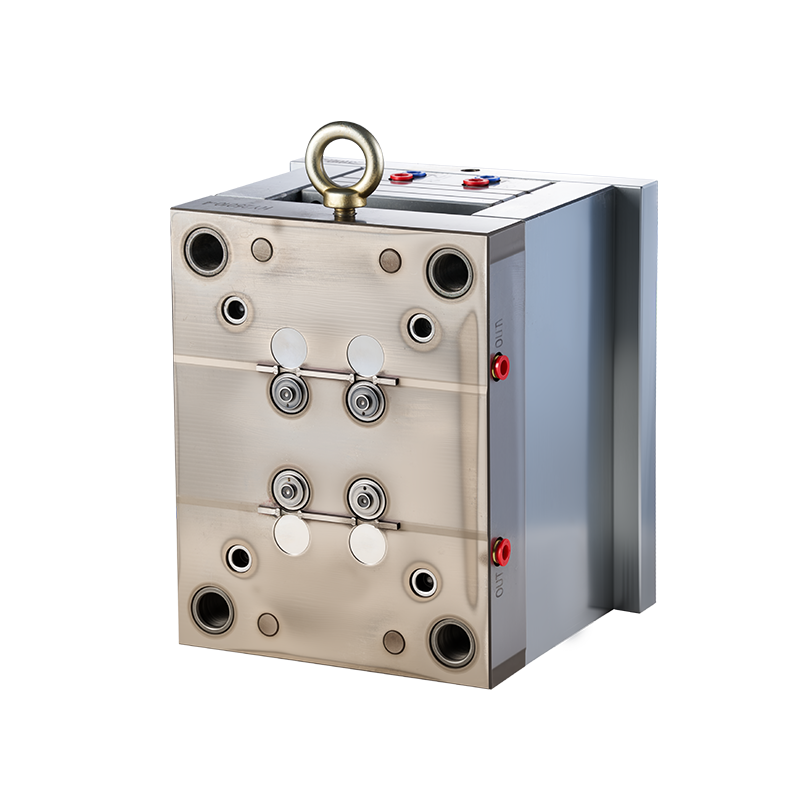
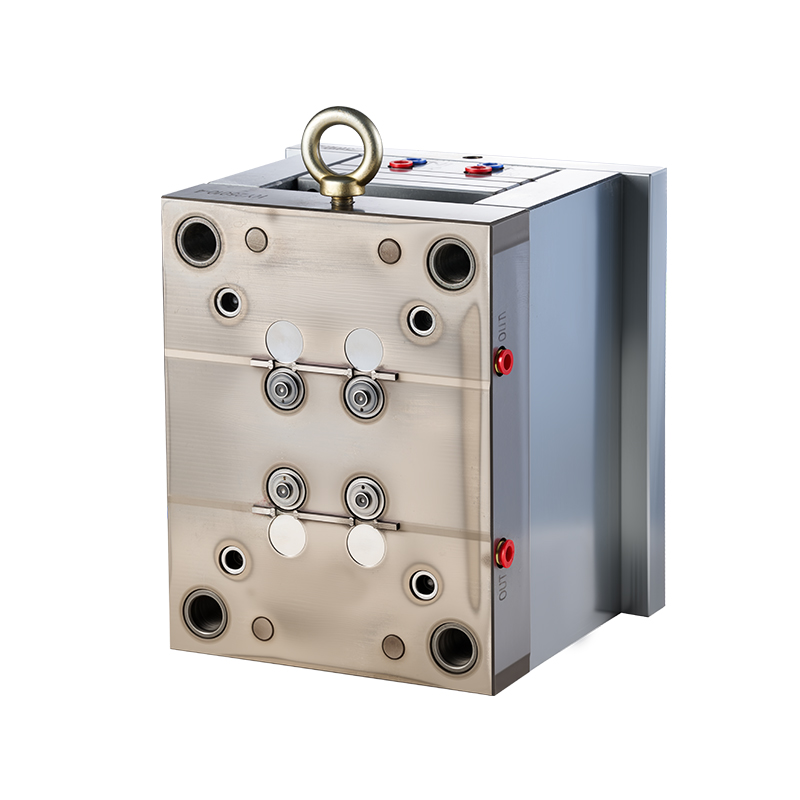
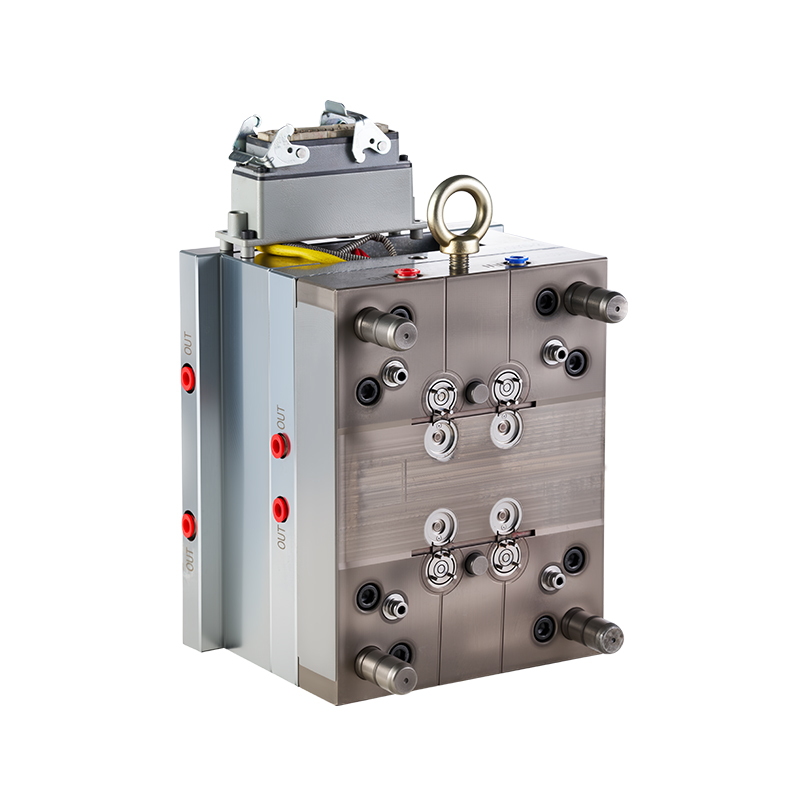
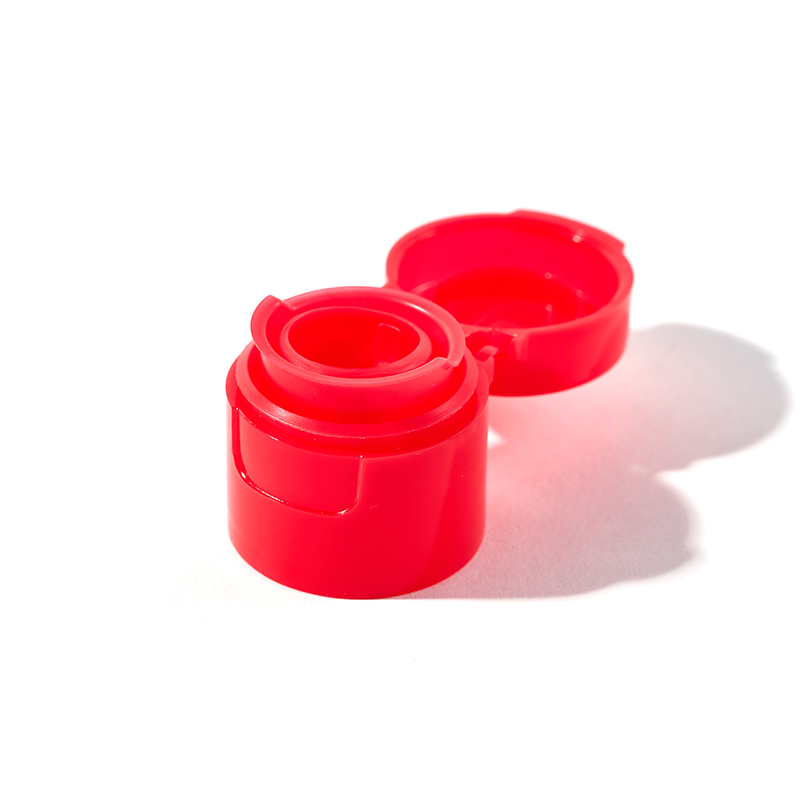
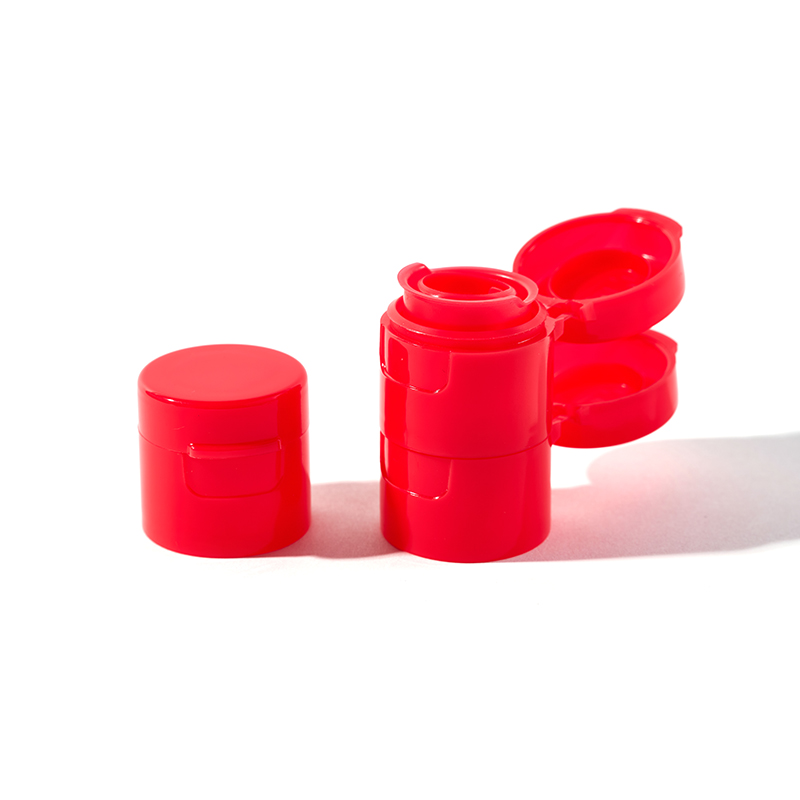
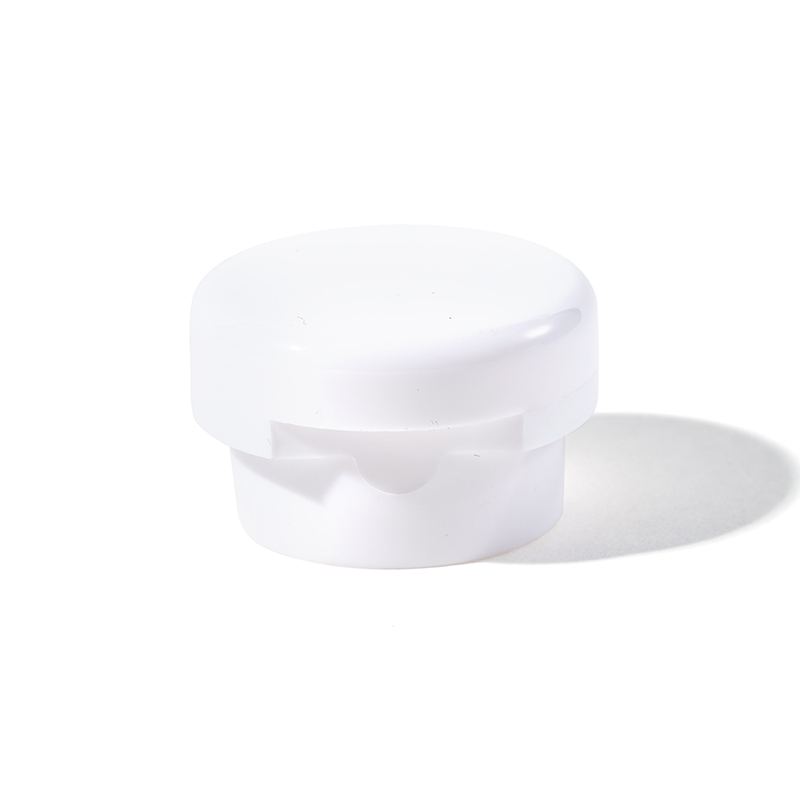
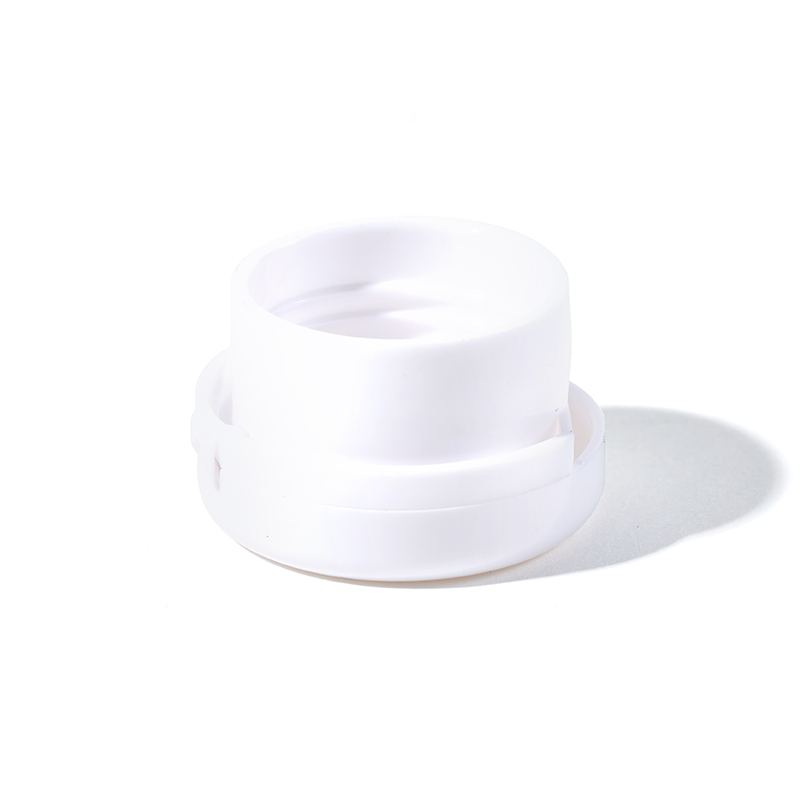
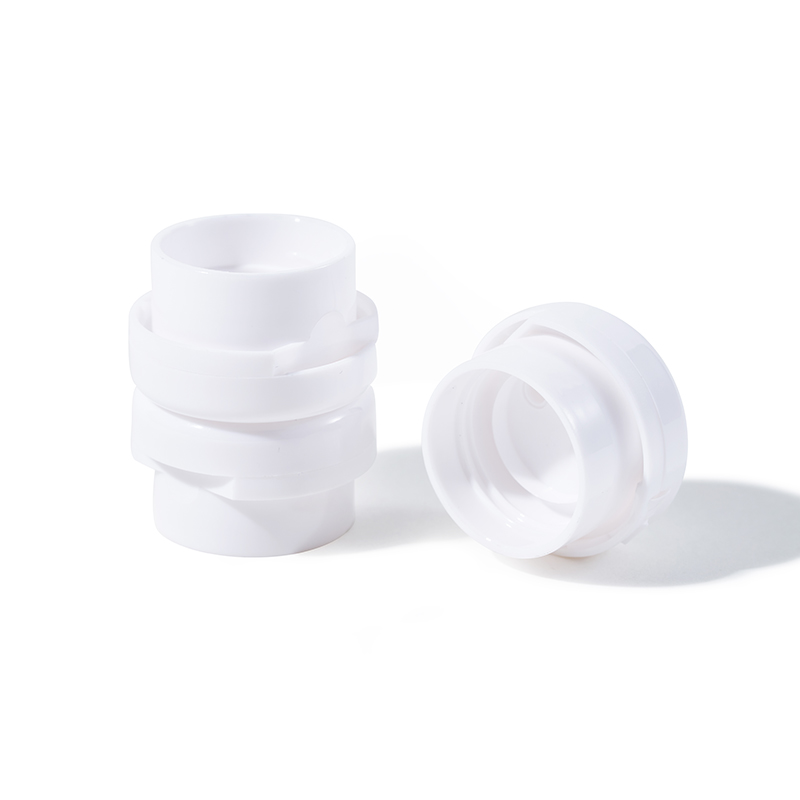
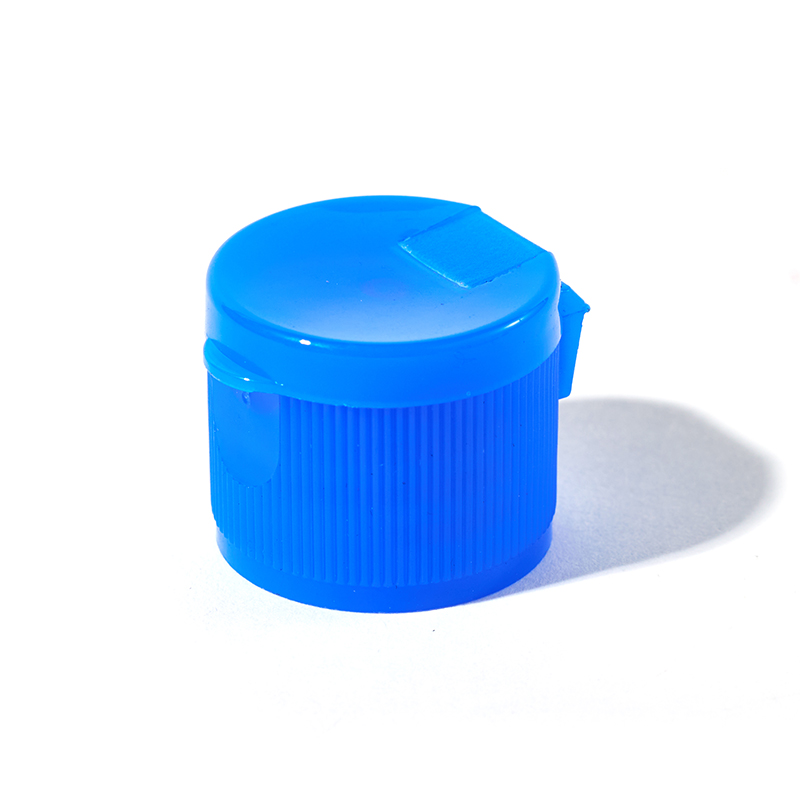
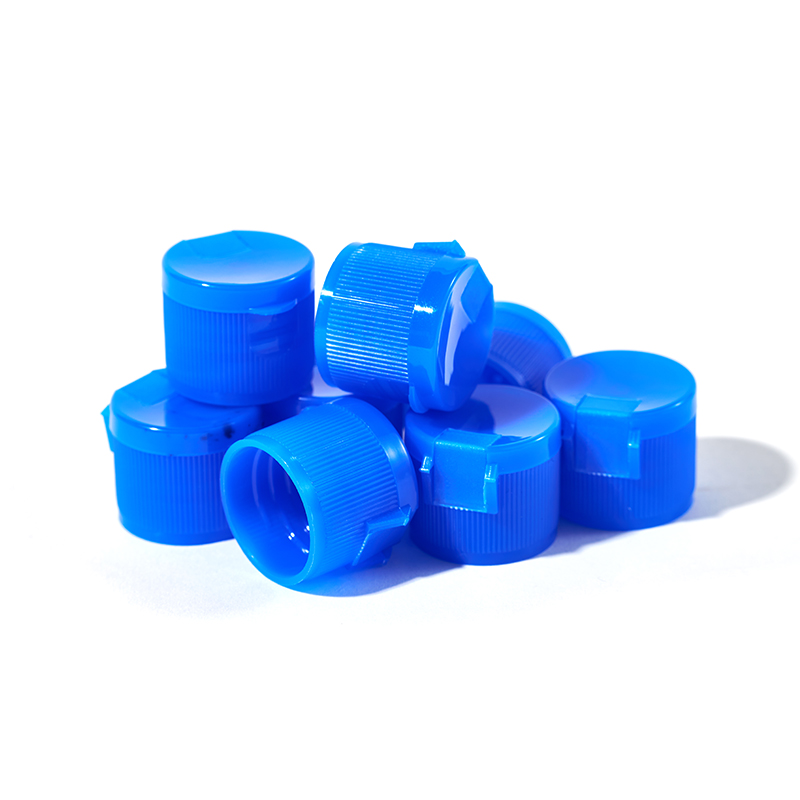
| Product production cycle: | 4 molds per minute |
| Mold base: | P20 |
| Cavity and core: | S136 |
| Technical support is always provided. | |

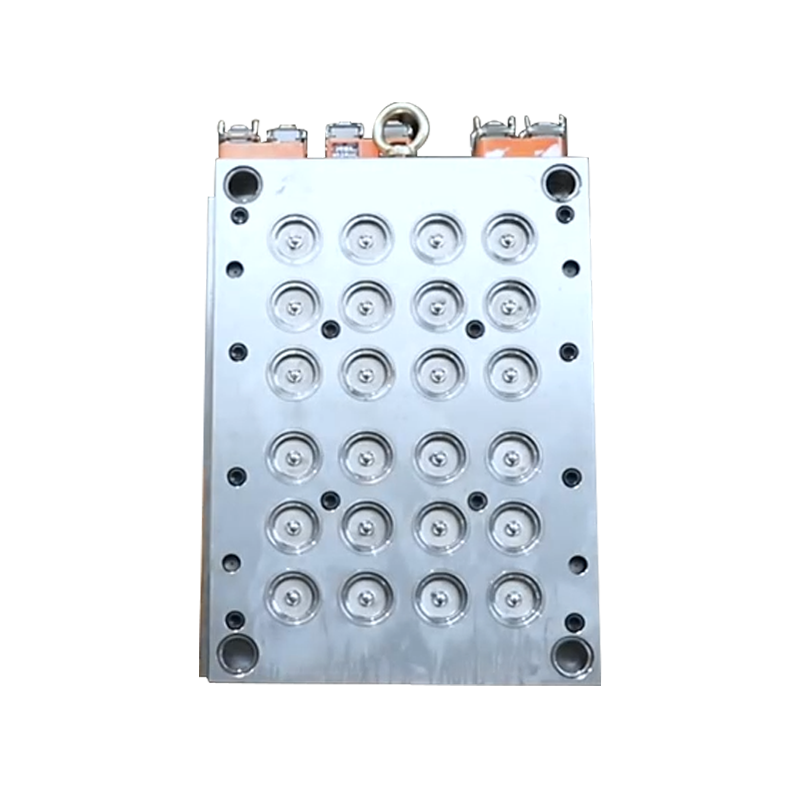
38-Cavity Clamshell Mold
10l Oil Bottle Cap Mold
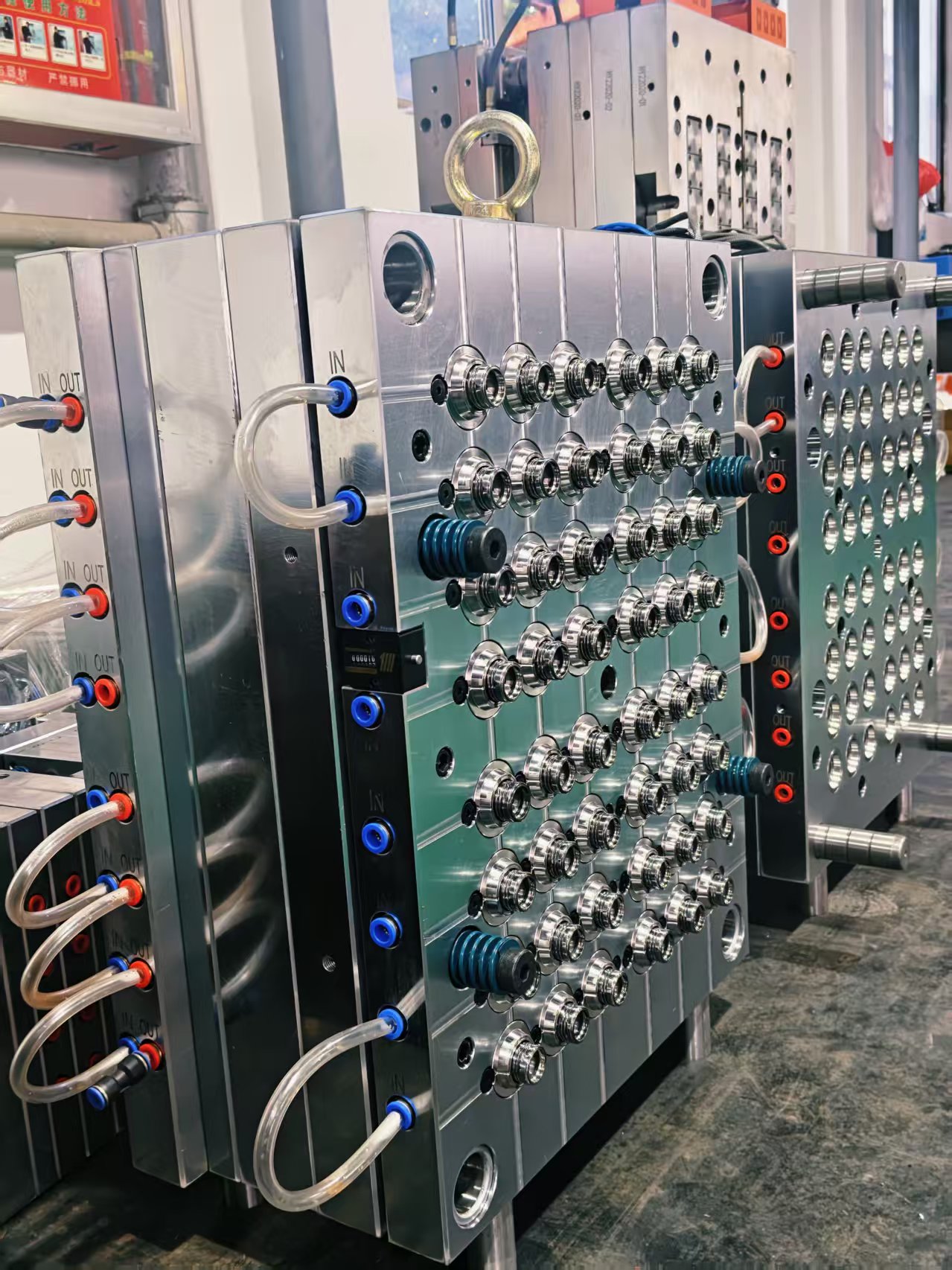
28-Port Water Cap Mold
30 Mouth Mineral Water Cap Mold
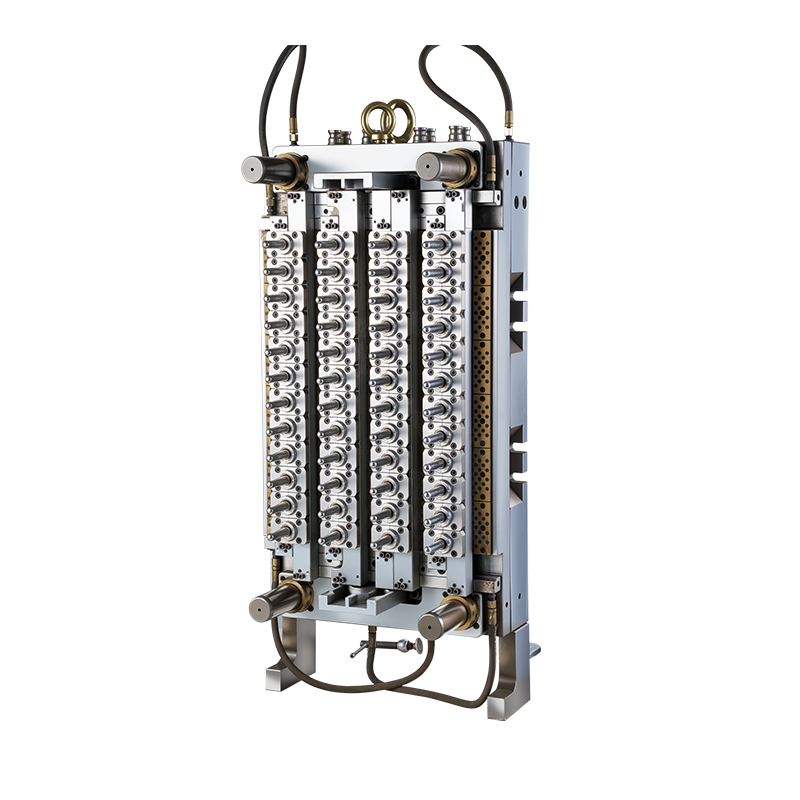
28 Bottle Preform Molds
38 Mouth Milk Cap Mold
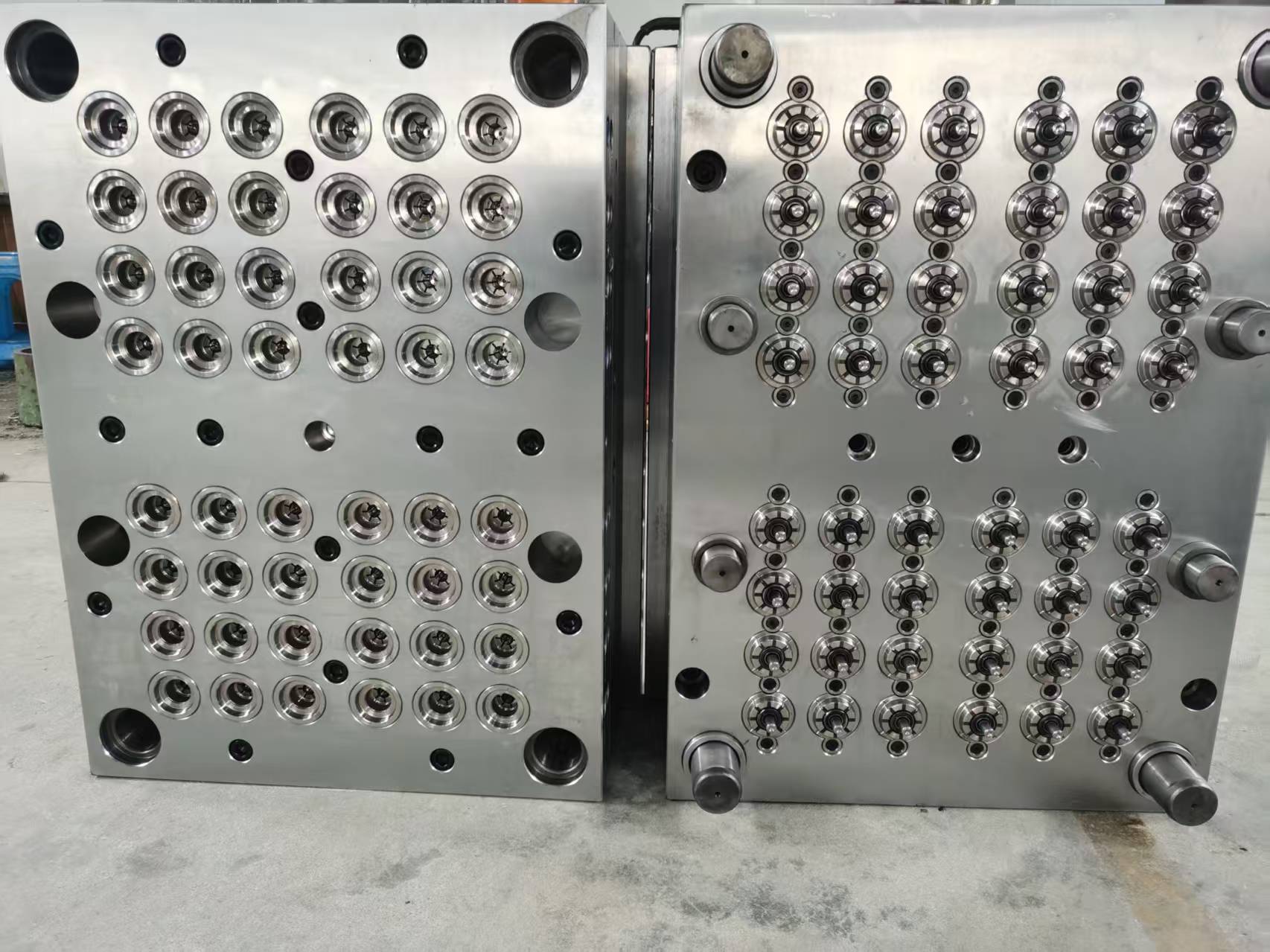
48 cavity mosquito repellent liquid bottle cap mold with a diameter of 24mm
65 Mouth Dust Cover Mold
Eye Drops Bottle Cap Mold
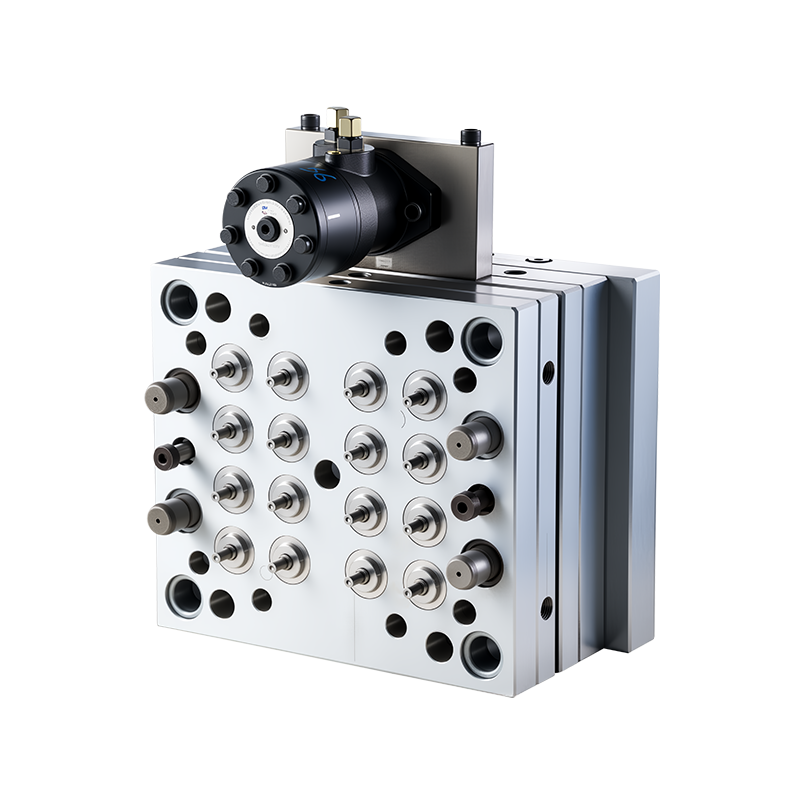
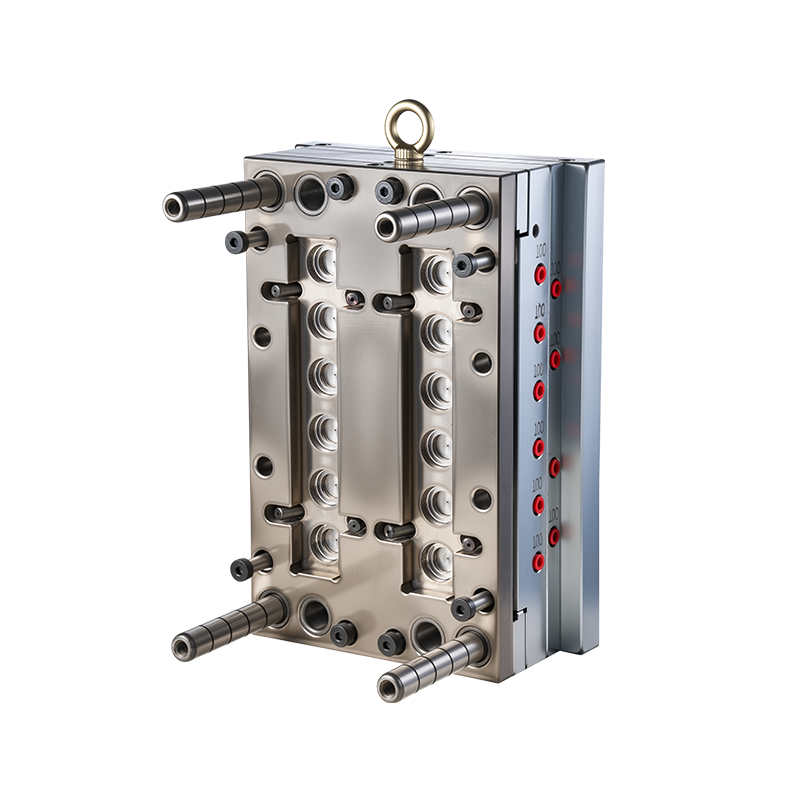
There is a bottle cap mold factory somewhere that made the mold for the cap sitting on wha...
READ MOREBefore a plastic bottle takes its familiar shape, it starts as a preform — a thick-walled ...
READ MOREBottle cap molds serve as key tools in creating the small but essential closures that keep...
READ MOREThe Preform's Role in Bottle Making A PET preform is a thick-walled, test-tube-shaped blan...
READ MOREA bottle cap mold factory serves as an important part of the packaging supply chain, produ...
READ MOREFour-cavity molds are generally considered a reasonable choice for small-to-medium batch or multi-product injection molding production systems. Compared to high-cavity molds, the four-cavity configuration offers advantages in equipment matching, mold debugging, and production changeovers.
Its positioning characteristics are mainly reflected in:
This configuration makes it highly practical for relatively complex products such as flip-top bottle caps.
Impact of Flip-Top Bottle Cap Structure on Molds
The structure of a flip-top bottle cap differs from ordinary screw caps. It usually includes functional areas such as the cap body, hinge, and flip-top, which places higher demands on mold precision and parting line design.
From a structural perspective, the impact of flip-top bottle caps on molds mainly includes:
Therefore, in four-cavity molds, the emphasis is more on the refined processing of single-cavity structural details, rather than simply pursuing an increase in the number of cavities.
Application Value of Hot Runner Systems in Four-Cavity Molds
The use of a hot runner system in four-cavity flip-top bottle cap molds is not simply for increasing production volume, but more for improving molding stability and process control.
The application value of hot runner systems in such molds is reflected in:
Due to the smaller number of cavities, the hot runner system's manifold structure is relatively simple, which also reduces the complexity of debugging and maintenance.
Cavity Layout and Runner Design Ideas
Four-cavity molds usually adopt a symmetrical or approximately symmetrical structure in their cavity layout to ensure consistency in the filling process of each cavity. A reasonable layout helps reduce process differences between different cavity positions. During the design process, common approaches include:
These design approaches do not aim for complexity, but rather focus on stable production as the core objective.
Impact of the Cooling System on Molding Quality
Flip-top bottle caps often have structural features with varying thickness, and the design of the cooling system directly affects the molding cycle and dimensional stability of the product. A 4-cavity mold allows for more precise control in terms of cooling.
Cooling design typically focuses on the following aspects:
Through reasonable cooling system design, a stable production rhythm can be achieved while ensuring quality.
Coordinated Design of Ejection and Demolding Structures
During the demolding process of flip-top bottle caps, uneven force can easily lead to deformation or damage. Therefore, the ejection system is particularly crucial in a 4-cavity mold.
Common design considerations include:
A reasonable ejection design not only helps protect the product structure but also reduces the frequency of downtime for adjustments.
Advantages in Production Management and Operation
From a production management perspective, a 4-cavity hot runner flip-top bottle cap mold is easier to control in daily use, making it suitable for production environments that require stability and flexibility.
Its advantages in terms of operation mainly include:
This characteristic makes it highly adaptable to small and medium-sized production lines or multi-product production systems.
Analysis of Typical Application Scenarios
4-cavity hot runner flip-top bottle cap molds are commonly used in application scenarios with high product structure requirements and moderate batch sizes.
Typical application scenarios include:
In these scenarios, this type of mold can achieve a good balance between efficiency and flexibility.

 +86-15988912600
 No. 25 Maofeng Street, Xinqian Street, Huangyan District, Taizhou City, Zhejiang Province


Lucy
[email protected]


 English
 русский
 Español
 عربى
عربى