

 English
 русский
 Español
 عربى
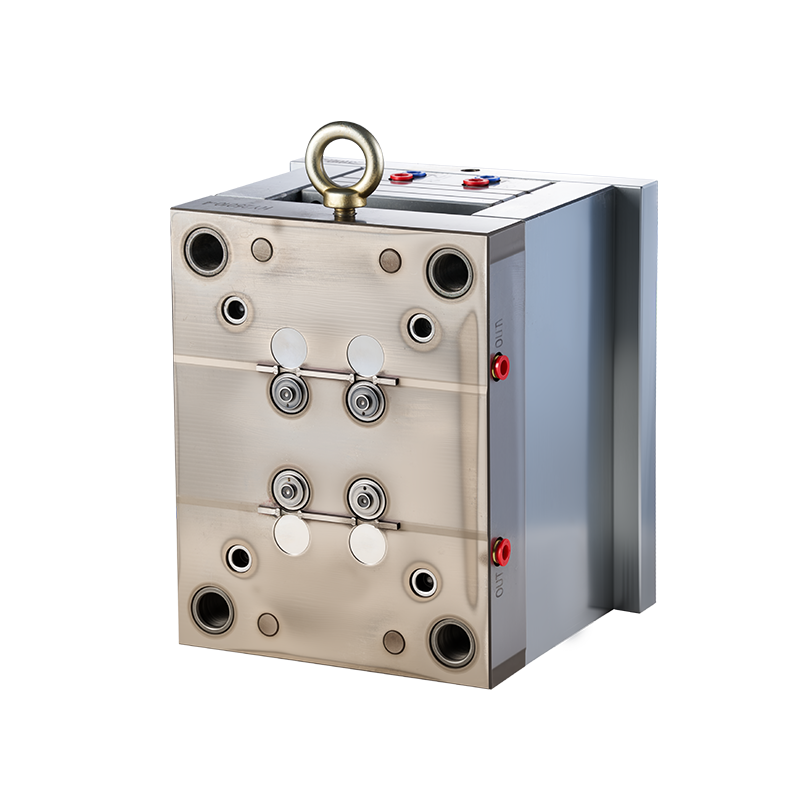
عربىBottle cap molds serve as key tools in creating the small but essential closures that keep drinks and other liquids secure inside their containers. These molds shape plastic into caps that people open and close countless times throughout the day. Over time, manufacturers have worked on refining how these molds operate to meet the steady demand from beverage companies and other industries.
How Bottle Cap Molds Function in Daily Manufacturing
The process usually starts with plastic pellets being heated until they turn soft enough to flow. This material then gets injected into the bottle cap mold under pressure, filling every detail of the cavity. After a short cooling period, the mold opens and the newly formed caps drop out, ready for use. Factories often run these molds for hours at a stretch, producing thousands of pieces in a single shift. The system relies on careful timing so each cap comes out with the same shape and threading every time.
Common Materials Used in Bottle Cap Mold Construction
Most molds are built from tough metals like steel that can handle the heat and pressure repeated thousands of times. Some setups also use aluminum where lighter weight helps with faster production changes. The surface inside the mold receives special treatment to let the plastic release smoothly without sticking. These material choices help the mold keep working reliably when turning out caps for water bottles, juice containers, and everyday household items.
Key Design Elements Found in Bottle Cap Molds
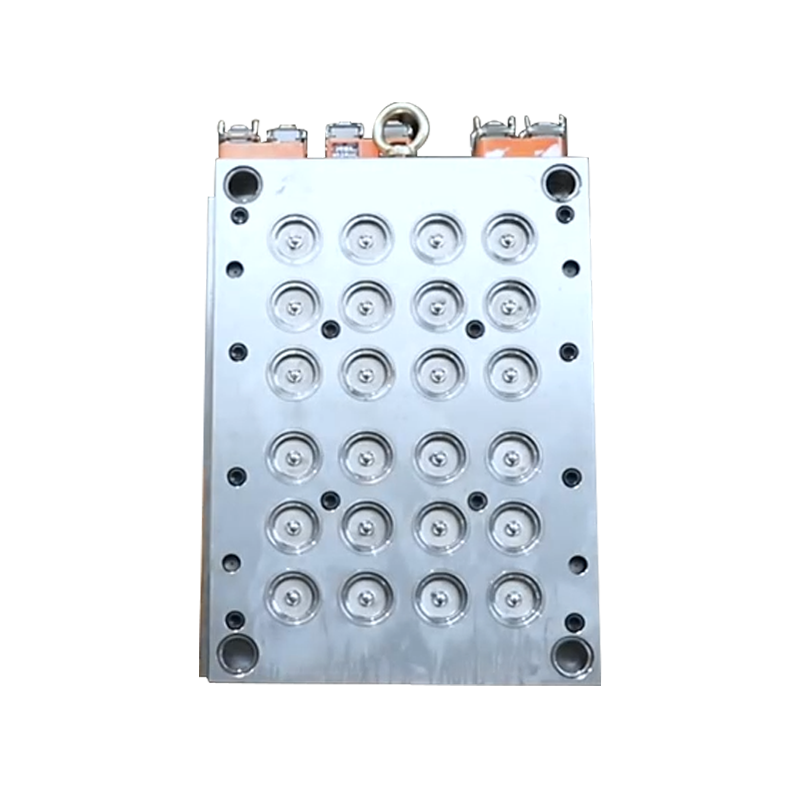
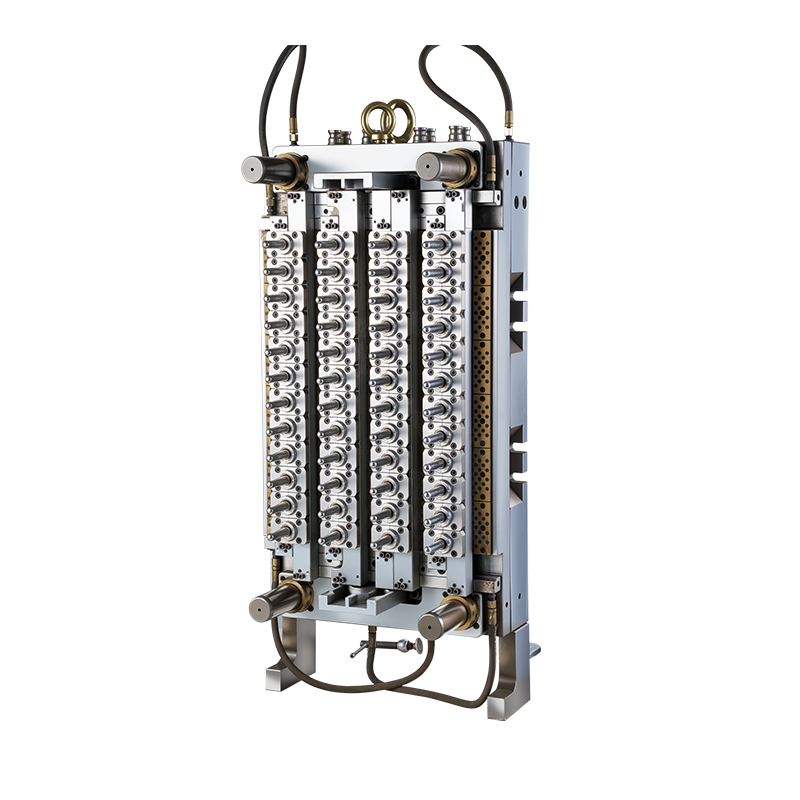
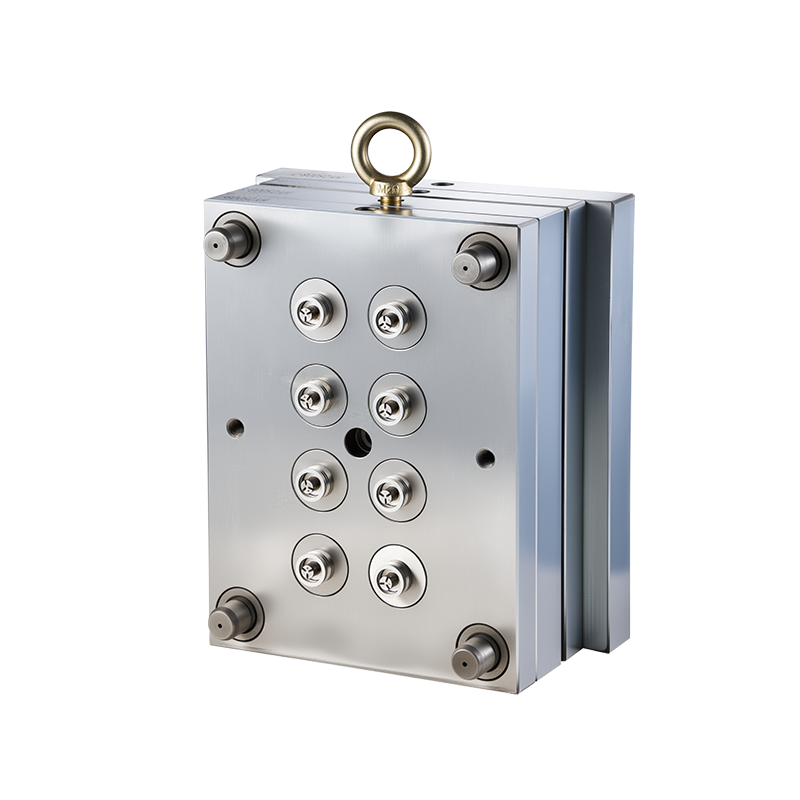
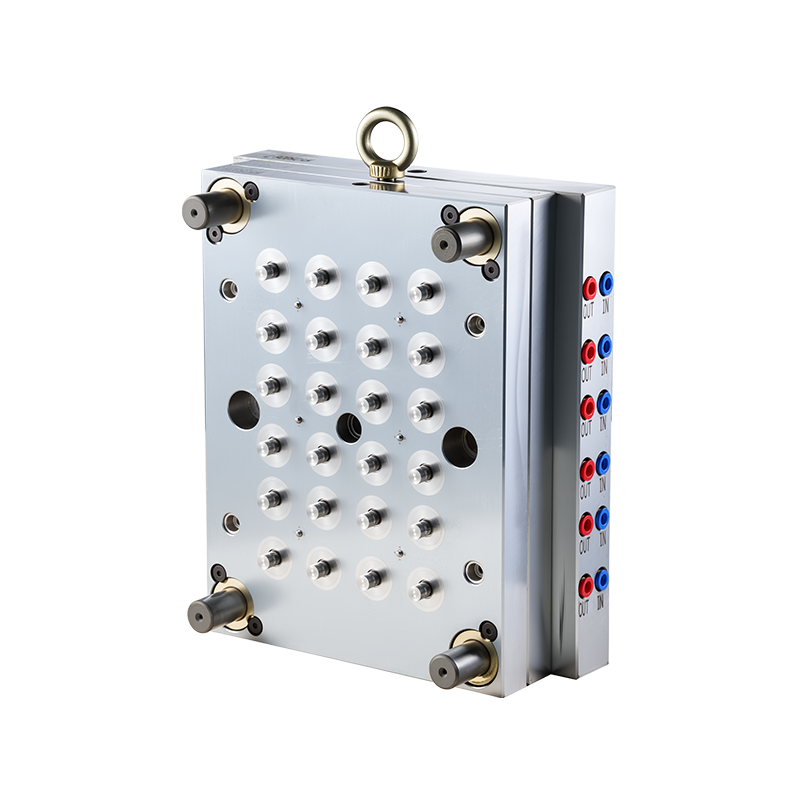
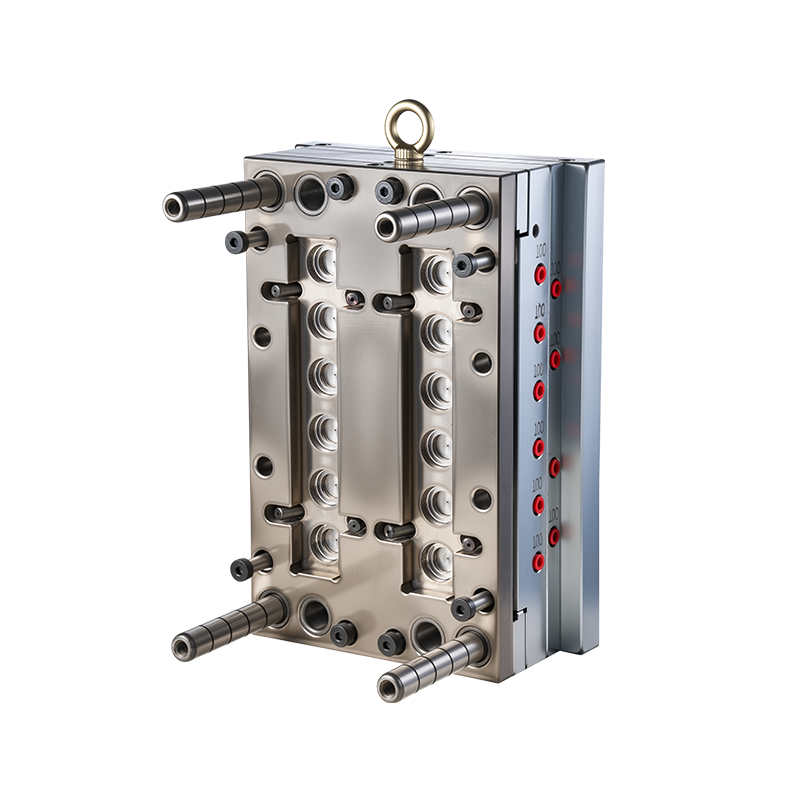
Many molds feature multiple cavities so several caps can be made during one quick cycle. Inside, carefully cut threads form the twisting part that lets the cap screw onto a bottle neck securely. Additional details like sealing rings take shape at the same time. Engineers pay close attention to how the plastic shrinks as it cools, adjusting the mold dimensions so the finished caps fit properly. Some molds also create the small rings that show if a bottle has been opened before.
Where Bottle Cap Molds See Regular Use
Beverage producers depend on these molds to supply caps for everything from small personal drink bottles to larger family sizes lining supermarket shelves. Food packaging lines use similar molds for items like salad dressings and cooking oils. In the health sector, the molds help create closures for medicine bottles that need a firm seal. Each type of product may call for slight tweaks in the mold design to match different bottle openings and usage needs.
What Affects Performance of Bottle Cap Molds
The accuracy of the mold’s machining plays a big part in how well the caps turn out. Small differences in measurements can make a cap too tight or too loose on the bottle. Built-in cooling channels control how fast the plastic hardens, which influences how quickly the next cycle can start. During long production runs, workers check the mold regularly to catch any wear that might affect consistency. Different styles exist for standard screw caps, sports-style push caps, and flip-top versions common on many products today.
Bottle cap molds remain a basic but important part of the packaging world. They help turn raw plastic into the small components that people interact with so often without giving them much thought. From busy production floors to the finished products on store shelves, these molds support the steady supply of functional caps that fit everyday needs. Companies keep adjusting their mold setups as container shapes change, but the core idea stays focused on creating reliable closures through straightforward manufacturing steps.