

 English
 русский
 Español
 عربى
عربىThere is a bottle cap mold factory somewhere that made the mold for the cap sitting on whatever bottle is nearest to you right now. It is not a factory most people think about, but packaging manufacturers think about it a great deal. The tools that shape plastic caps — for water bottles, pharmaceutical containers, shampoo, cooking oil, motor oil — have to hold tight dimensional tolerances across dozens of cavities, cycle after cycle, without drifting in ways that affect seal performance or threading consistency. A cap that does not seal correctly is a product recall.
The Function of Bottle Cap Molds
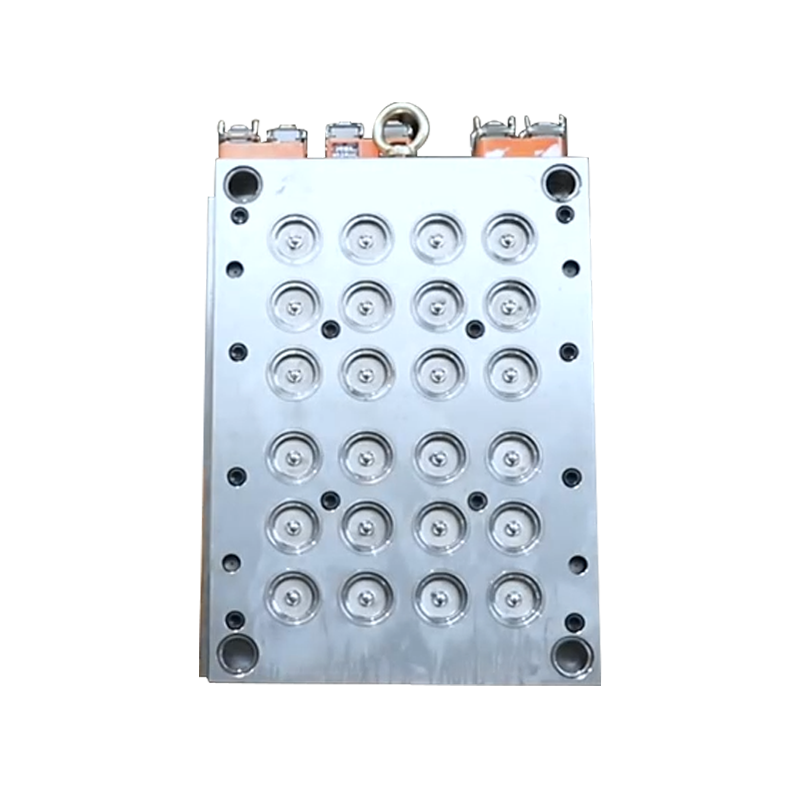
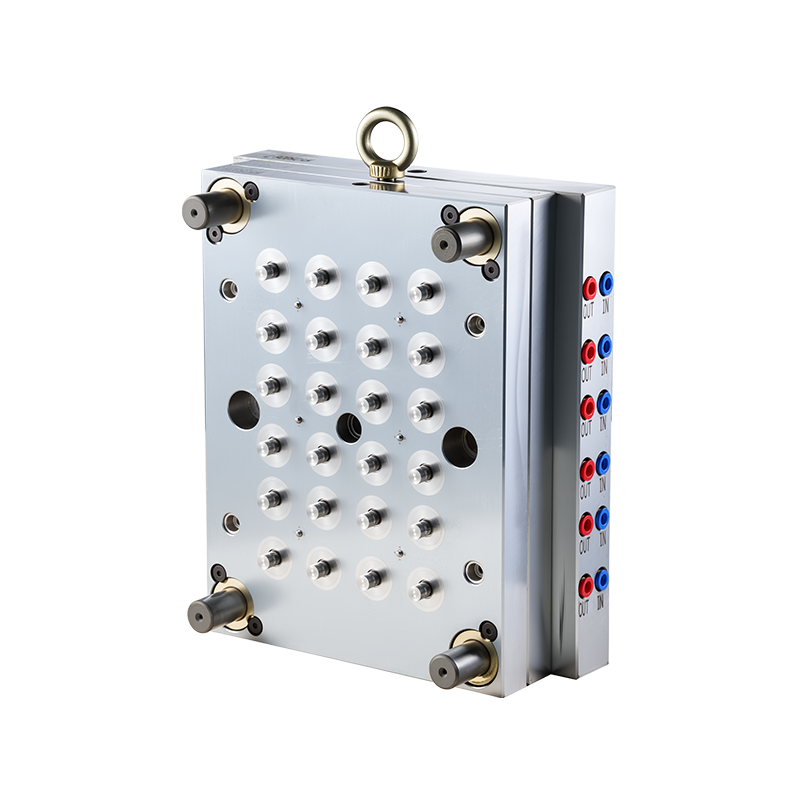
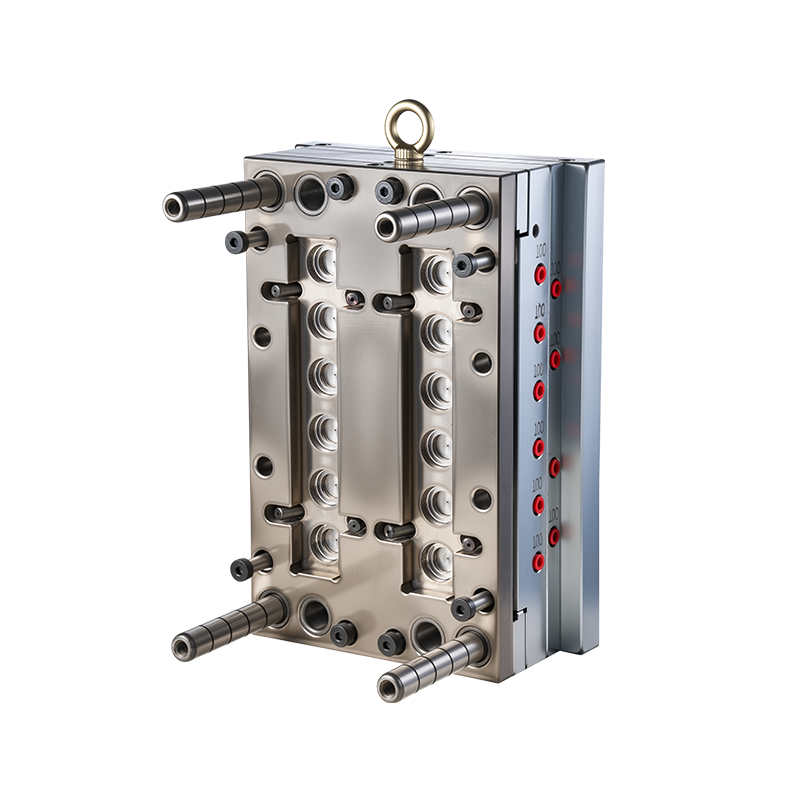
Bottle cap molds create the threaded closures that seal containers securely during transport and storage. Each mold contains cavities that form the cap shape, including internal threads and tamper-evident features. Factories design these molds to produce caps at high volumes while maintaining uniform dimensions across thousands of cycles.
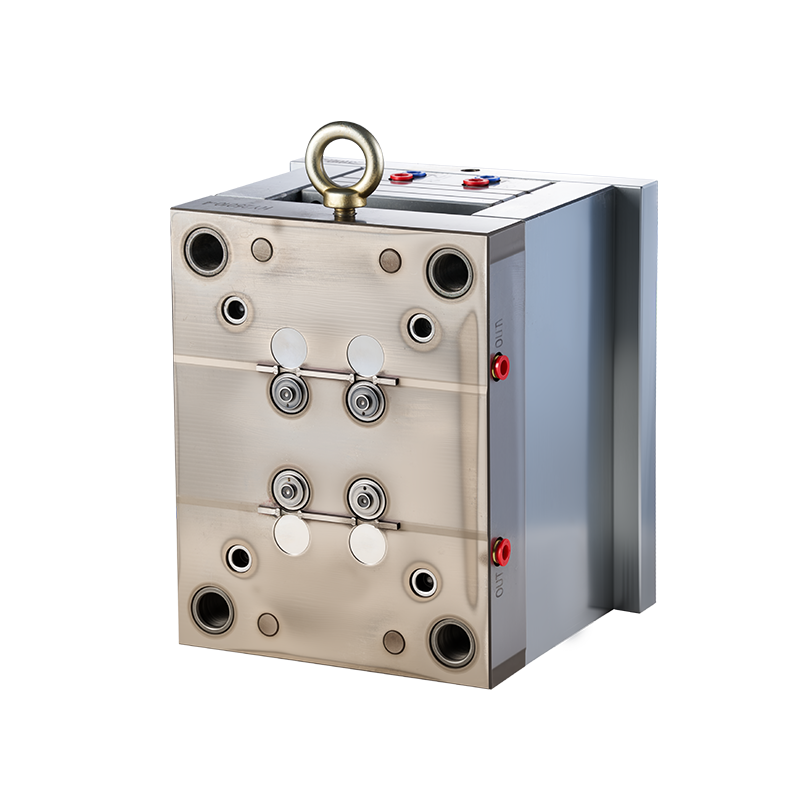
The molds operate in injection molding machines where molten plastic enters under pressure and cools into solid form. Precise engineering ensures the caps fit bottles with reliable torque values for opening and closing. This consistency helps packaging lines run without frequent adjustments or interruptions.
Materials and Precision Engineering
Steel selections in bottle cap mold factories focus on grades that withstand repeated heating and cooling cycles. Hardened surfaces resist wear from plastic flow and abrasive additives sometimes present in cap compounds. Cooling lines integrated into the mold structure help control temperature distribution for even shrinkage in the finished caps.
Machining centers in these factories achieve tight tolerances measured in fractions of a millimeter. This accuracy translates to caps that thread smoothly onto bottles and maintain seal integrity. Surface treatments applied to mold components extend operational life in continuous production settings.
Support for Beverage and Consumer Goods Sectors
Bottle cap mold factories supply tools to companies that produce caps for water bottles, soft drinks, and juice containers. The molds enable the creation of sports caps, flip-top designs, and child-resistant variants used across product categories. Pharmaceutical packaging lines also rely on these molds for medicine bottle closures.
Food and household product manufacturers draw from the same pool of molds for sauces, detergents, and personal care items. The standardized outputs from bottle cap mold factories allow suppliers to meet specifications from multiple clients without constant tooling changes.
Design Variations for Different Applications
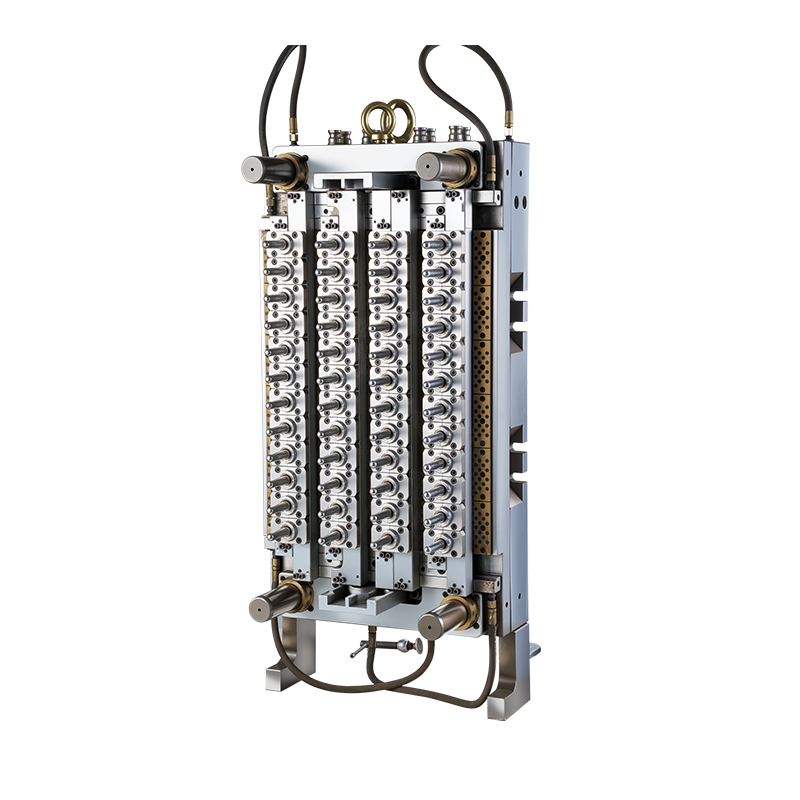
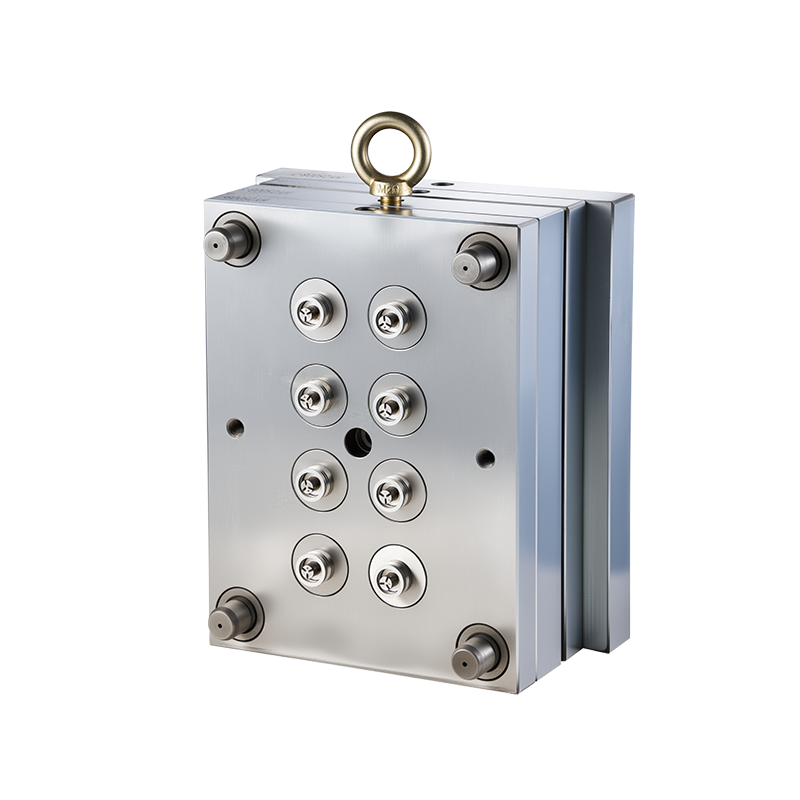
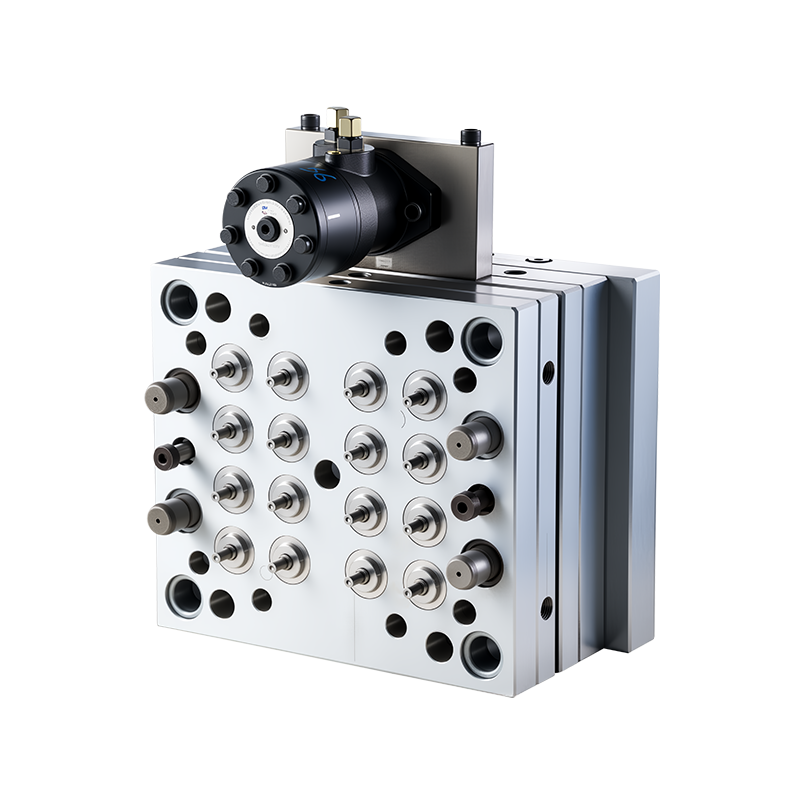
Bottle cap mold factories develop single-cavity prototypes for initial testing and multi-cavity production molds for large-scale runs. Some molds incorporate hot runner systems that keep plastic at consistent temperatures during filling. Others feature interchangeable inserts that allow quick switches between cap diameters or thread patterns.
Specialized designs accommodate tamper bands, liners, or printed surfaces on the cap top. The factories adjust cavity layouts based on machine compatibility and output requirements from packaging plants. This flexibility supports both narrow-neck bottles and wider jar closures common in retail products.
Role in Supply Chain Efficiency
Bottle cap mold factories contribute to the steady availability of closures across global packaging networks. Their output supports the high-speed lines that fill millions of containers daily. Consistent mold performance reduces variations in cap weight and sealing properties that could affect downstream processes.
Packaging converters rely on these factories for replacement molds when existing ones reach cycle limits. The ability to produce matching sets keeps production lines running with familiar tooling parameters. This continuity benefits industries where brand packaging standards remain fixed over long periods.