
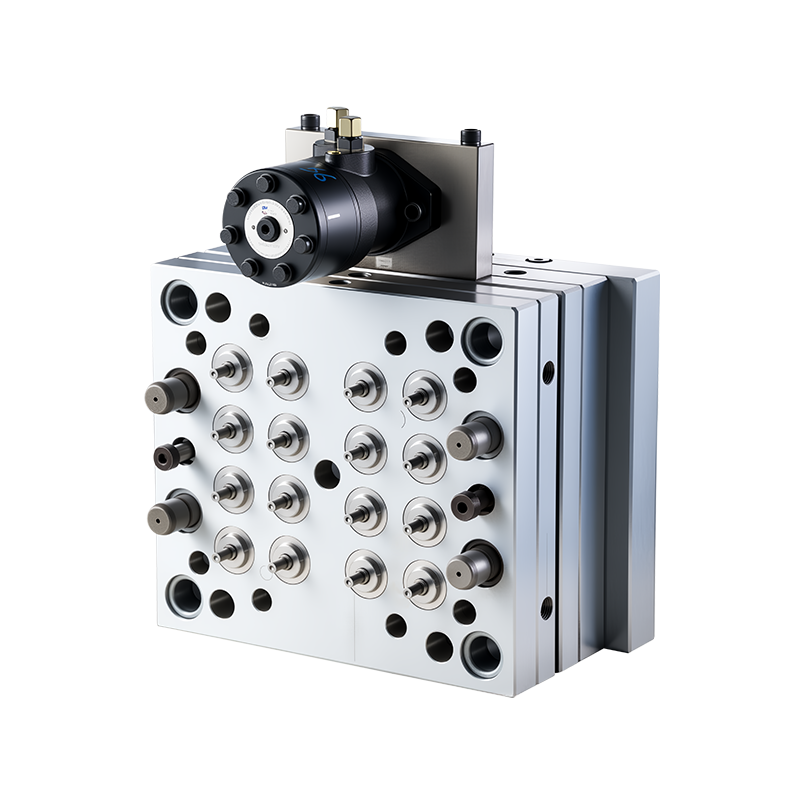
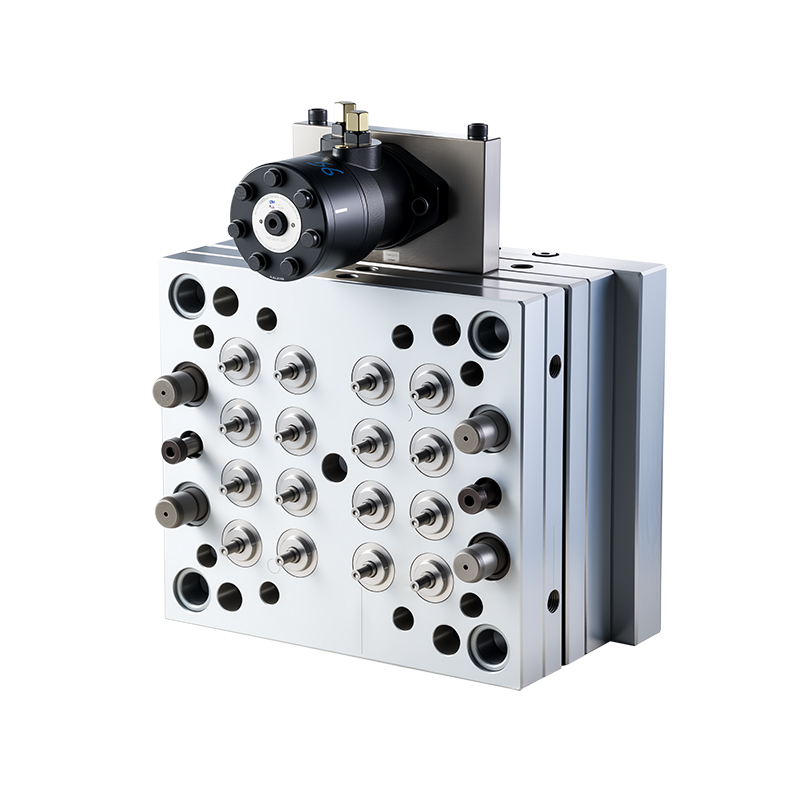
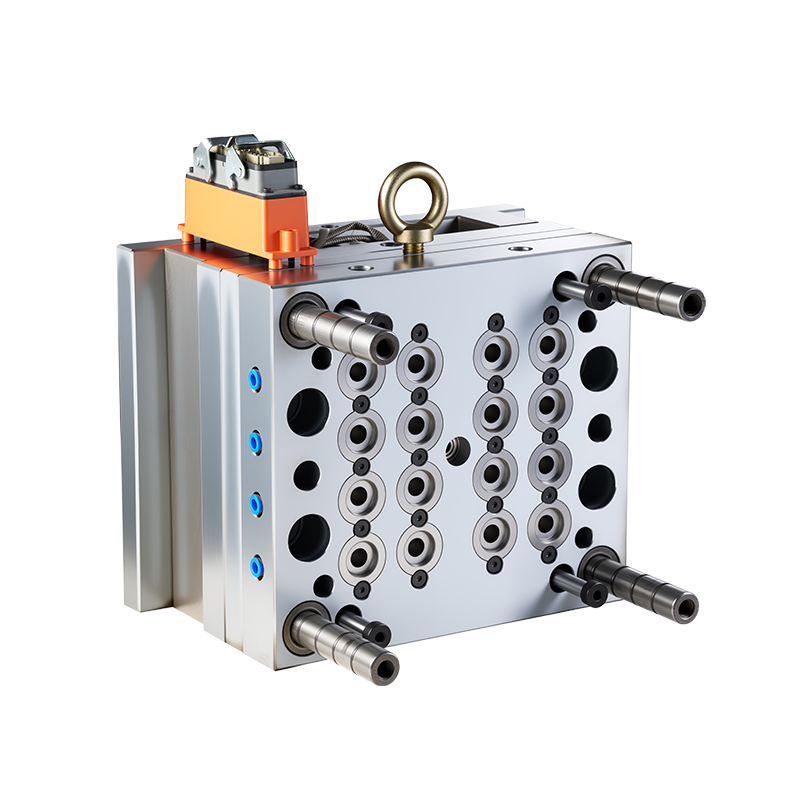
| Product production cycle: | 3 molds per minute |
| Mold base: | P20 |
| Cavity and core: | S136 |
| Technical support is always provided. | |

38-Cavity Clamshell Mold
10l Oil Bottle Cap Mold
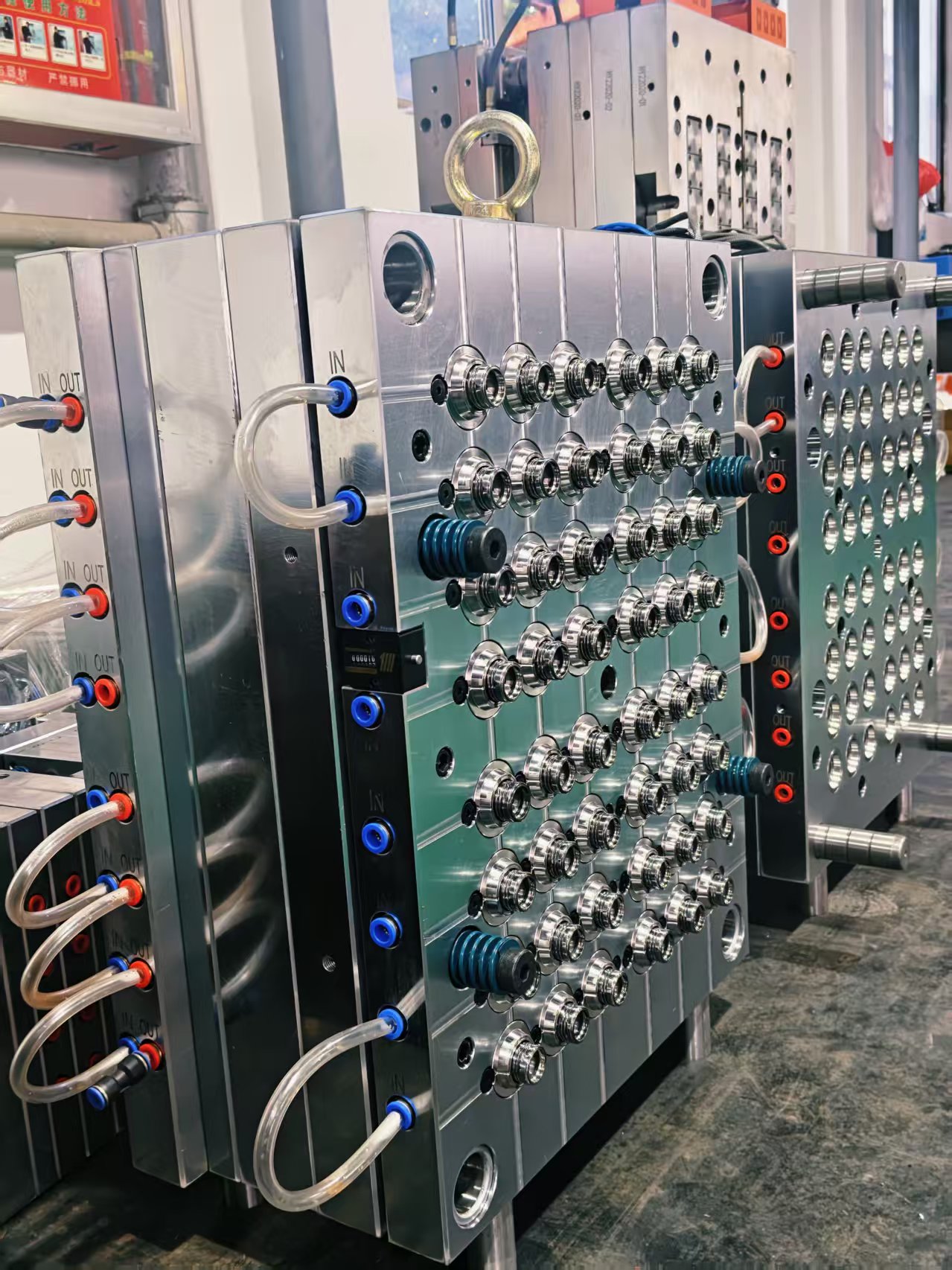
28-Port Water Cap Mold
30 Mouth Mineral Water Cap Mold
28 Bottle Preform Molds
38 Mouth Milk Cap Mold
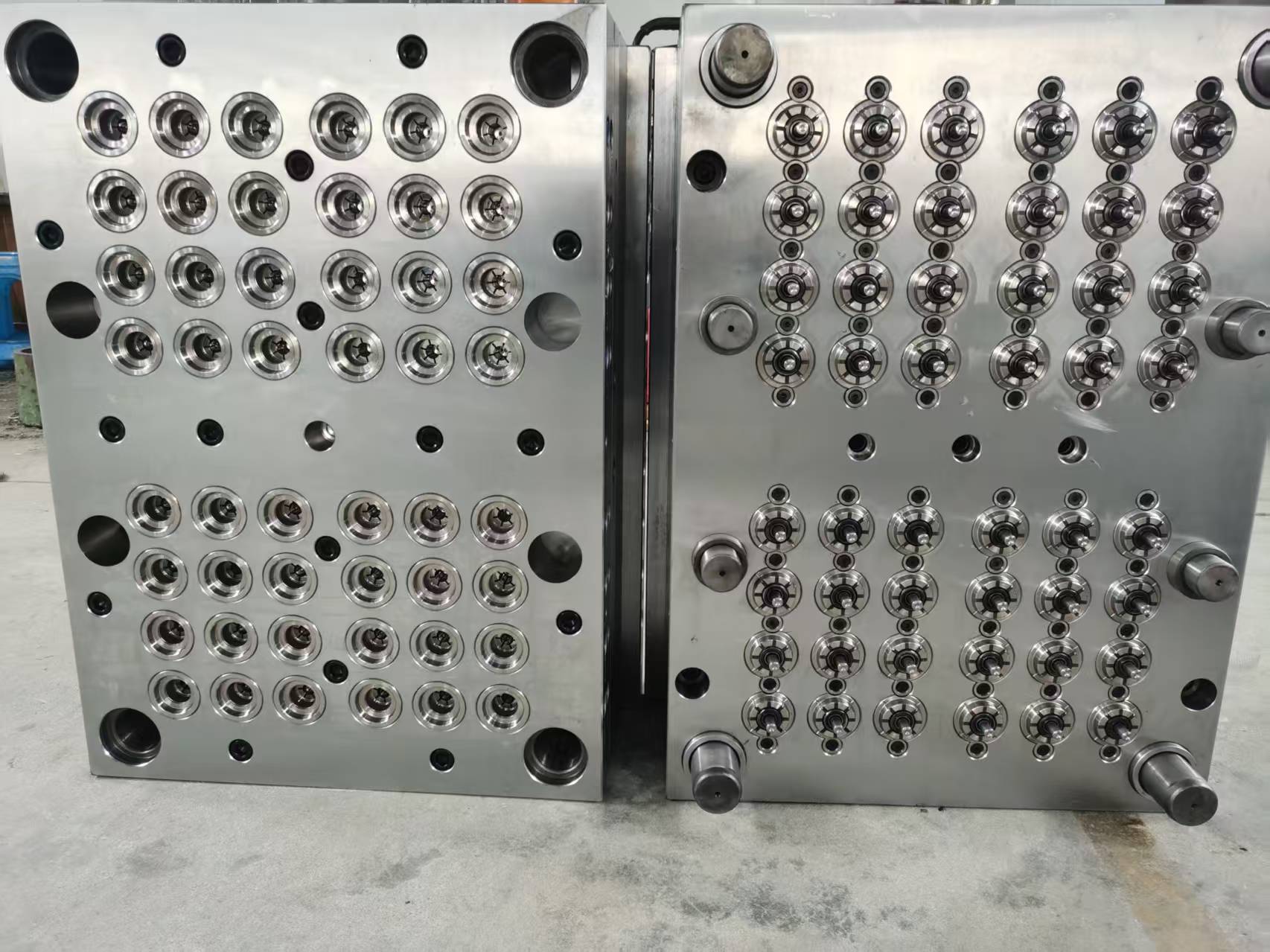
48 cavity mosquito repellent liquid bottle cap mold with a diameter of 24mm
65 Mouth Dust Cover Mold
Eye Drops Bottle Cap Mold
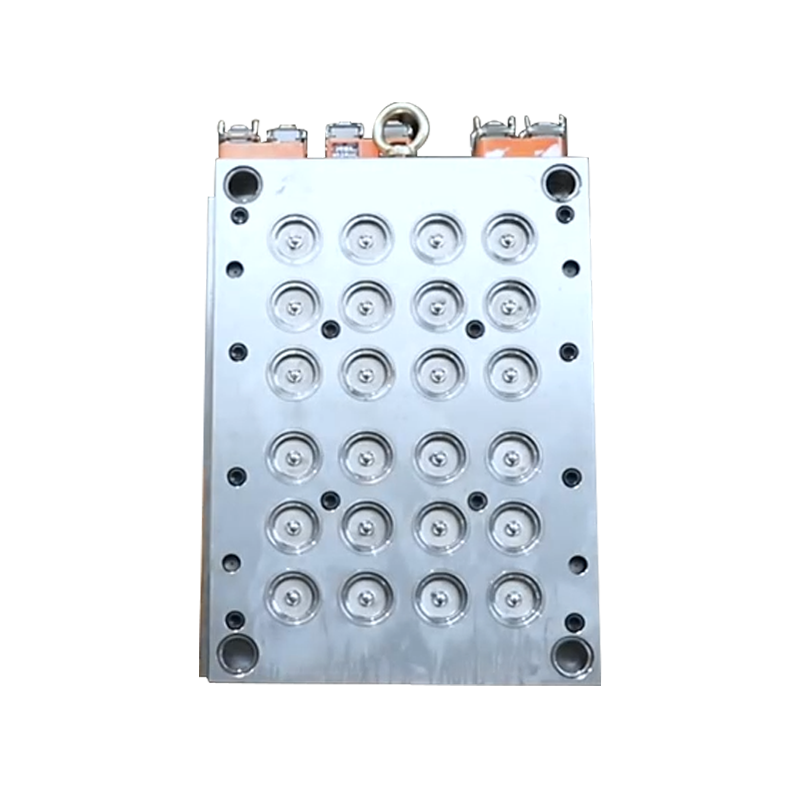
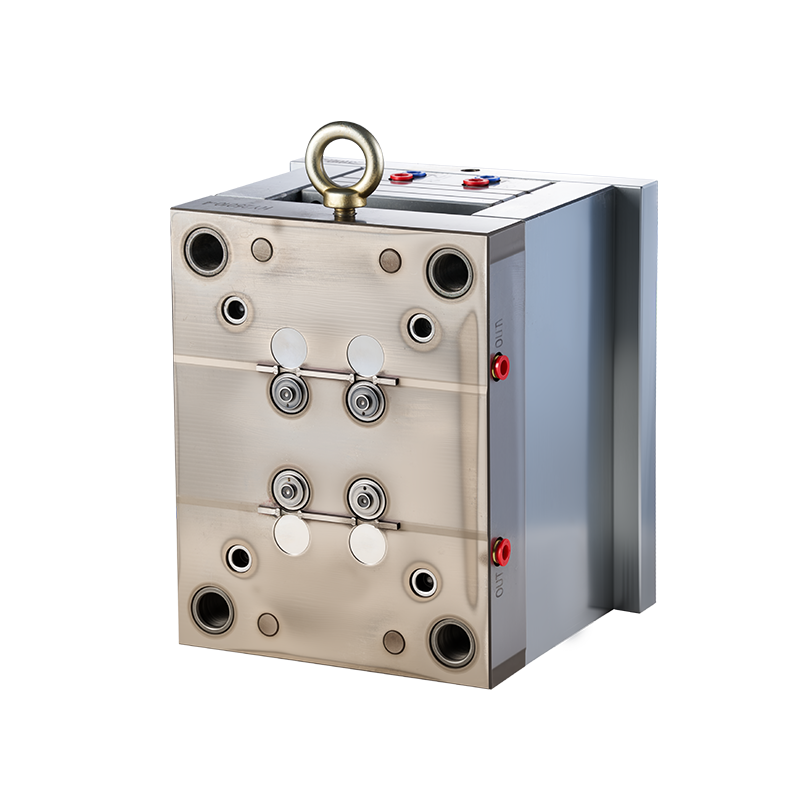
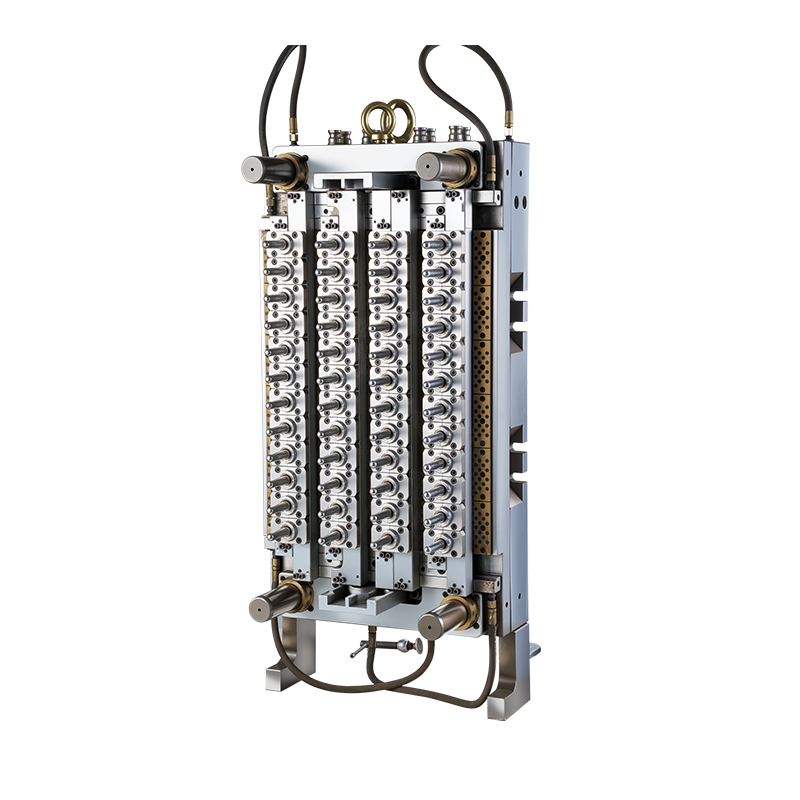
Before a plastic bottle ever takes its final shape, it starts out as a preform — a small, ...
READ MOREA plastic bottle does not begin as a bottle. It begins as a preform — a short, thick-walle...
READ MOREThere is a bottle cap mold factory somewhere that made the mold for the cap sitting on wha...
READ MOREBefore a plastic bottle takes its familiar shape, it starts as a preform — a thick-walled ...
READ MOREBottle cap molds serve as key tools in creating the small but essential closures that keep...
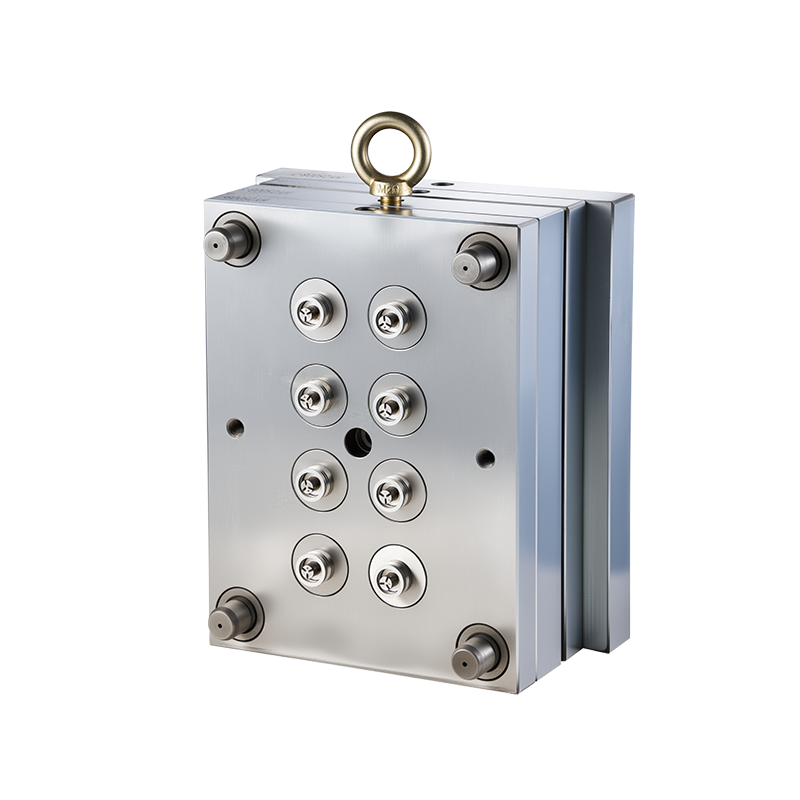
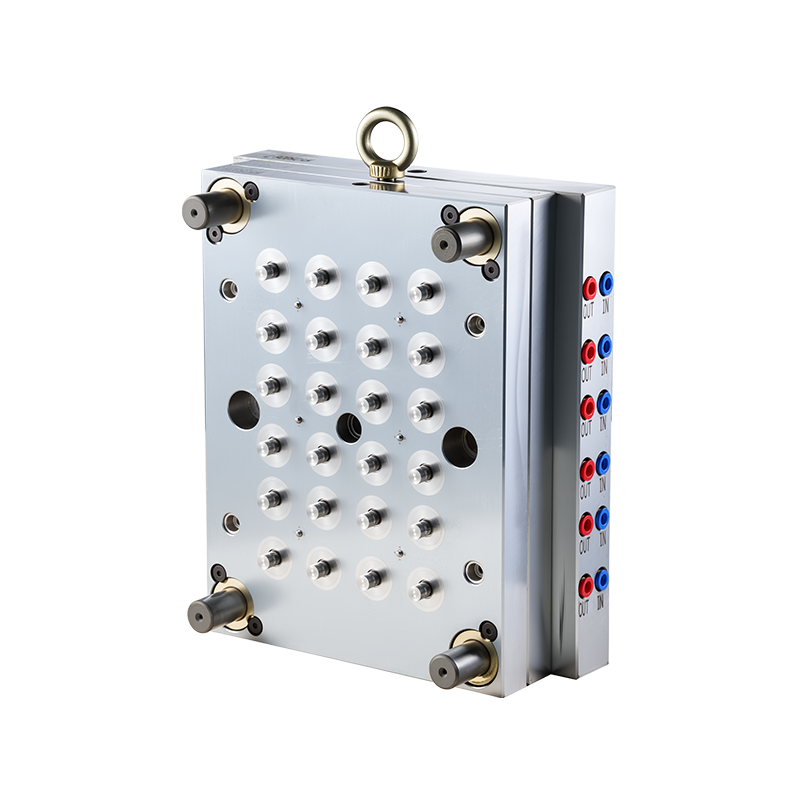
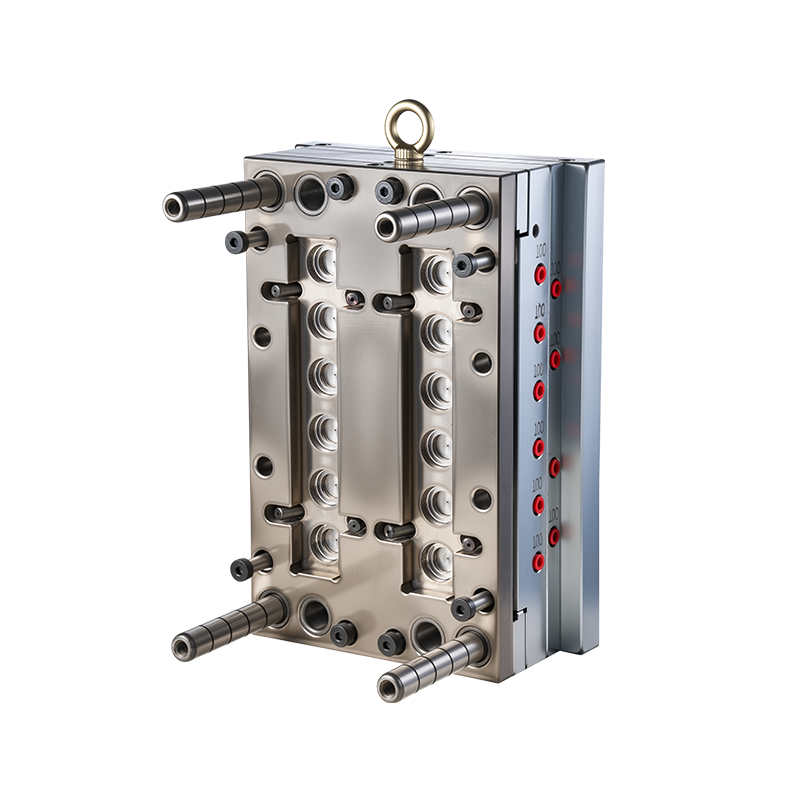
READ MOREHot runner plastic bottle cap molds are highly efficient injection molds that utilize a hot runner system to directly deliver molten plastic to the mold cavity, reducing waste and shortening molding cycles. The mold features a compact structure and a well-designed gating system, ensuring uniform thickness and a smooth surface for the bottle caps.
Hot Runner Mold Structure Characteristics
A hot runner system is a heating system used in injection molding to maintain the temperature of the molten plastic. Compared to traditional cold runner molds, hot runner molds reduce waste, shorten injection cycles, and improve production efficiency. Its structure typically includes the following core components:
In addition, during the design of hot runner plastic bottle cap molds, considerations such as gate location, mold cavity layout, and venting design are crucial to ensure a smooth surface and uniform thickness of the finished product.
Mold Material Selection and Wear Resistance Considerations
Plastic bottle cap molds are prone to wear during long-term use, especially in high-volume production environments. Therefore, material selection and surface treatment are particularly important. Generally, the hardness and wear resistance of the mold steel need to match the production material. For parts requiring high wear resistance, the design principles of Wear-Resistant Motor Cover Molds can be referenced, improving service life through material strengthening and surface coatings.
Common mold materials and their characteristics are shown in the table below:
| Material Type | Hardness Range (HRC) | Wear Resistance | Machining Difficulty | Typical Applications |
| P20 Steel | 28-32 | Medium | Easy | General bottle cap molds |
| H13 Steel | 45-50 | High | Medium | Hot runner molds, long-term production |
| S136 Steel | 50-55 | High | Difficult | High-gloss surface bottle caps |
By rationally selecting mold materials, not only can the mold's service life be extended, but production stability can also be improved, reducing downtime for maintenance.
Production Process Optimization Strategies
The production efficiency of hot runner plastic bottle cap molds depends not only on the mold itself but also on optimizing the injection molding process. The following aspects significantly impact production efficiency:
Injection Molding Parameter Adjustment
Gate Design Optimization
Mold Cooling System Optimization
Maintenance and Repair Plan
Different Approaches to Design Optimization
Unlike traditional mold design which focuses on lifespan and stability, from the perspective of application and production optimization, the following aspects can be considered:
Through these methods, comprehensive optimization can be achieved in production efficiency, product quality, and energy consumption management.

 +86-15988912600
 No. 25 Maofeng Street, Xinqian Street, Huangyan District, Taizhou City, Zhejiang Province


Lucy
[email protected]


 English
 русский
 Español
 عربى
عربى