

 English
 русский
 Español
 عربى
عربى38mm Diameter Tea Powder Cap 12-Cavity Cold Runner Bottle Cap Injection Mold
Features: High-strength mold base and wear-resistant cavity steel ensu...

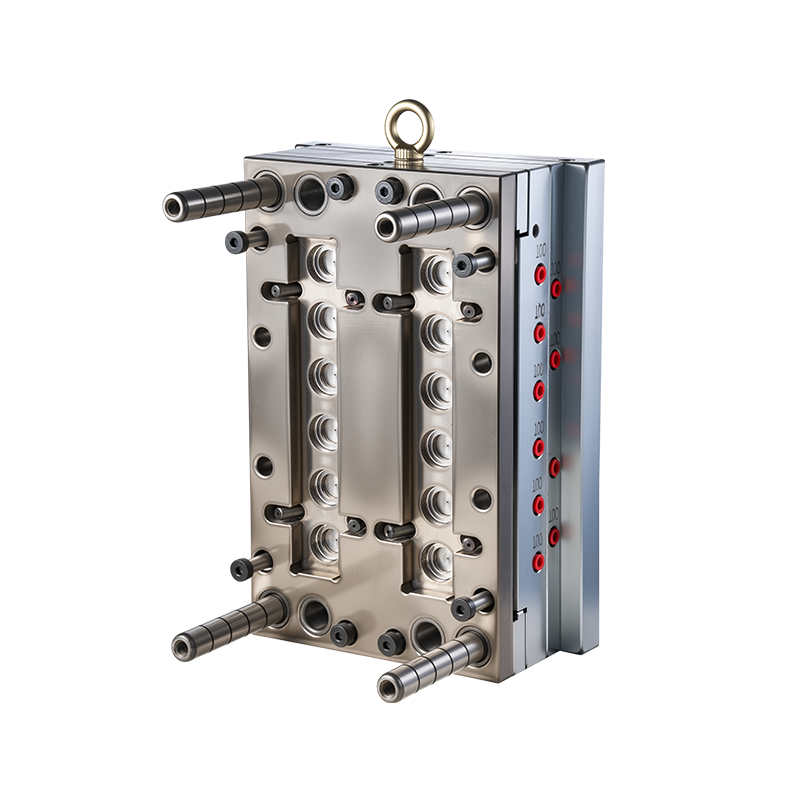
Features: High-strength mold base and wear-resistant cavity steel ensu...
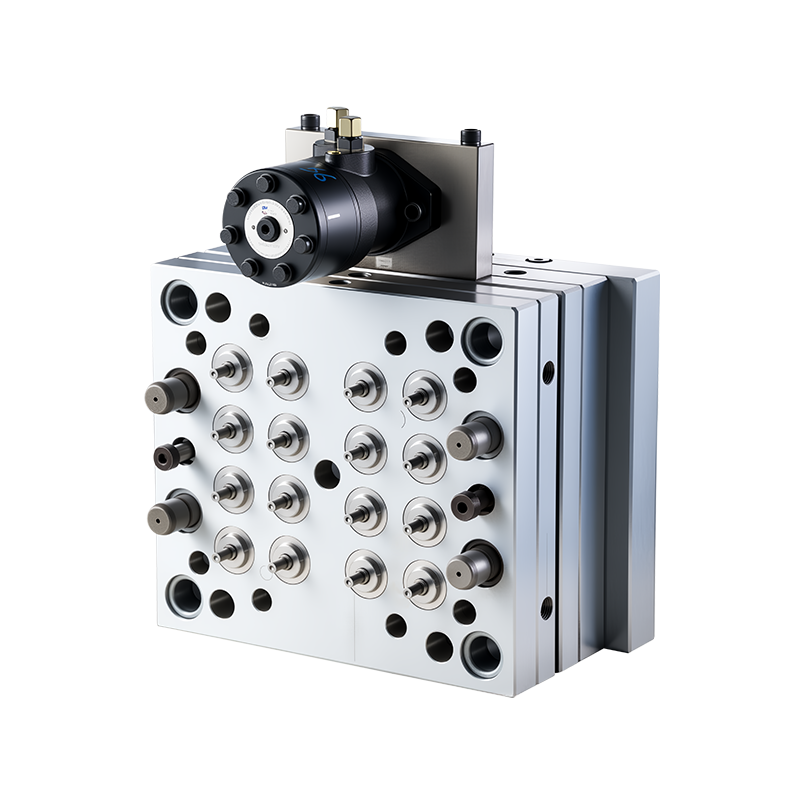
Factory Manufacturing Advantages: Utilizes high-strength mold frames a...
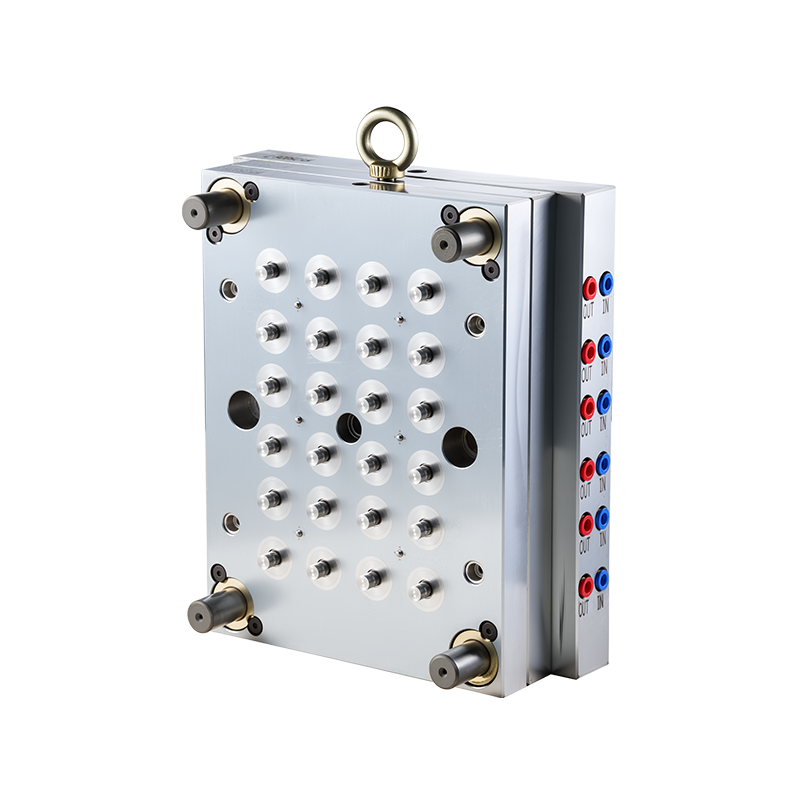
Manufacturing Advantages: Selected high-hardness mold steel and wear-r...
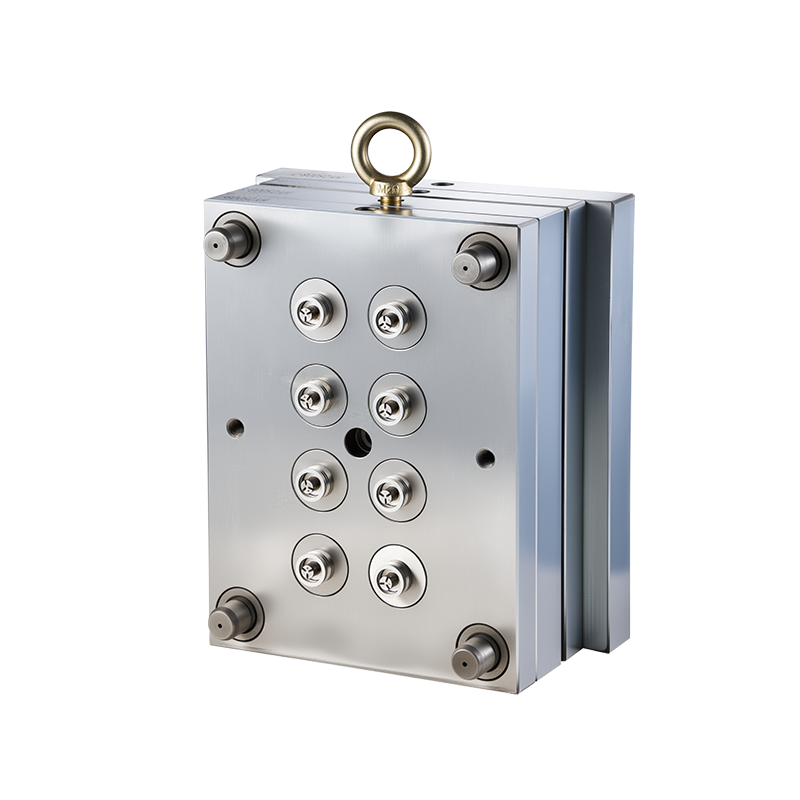
Product Manufacturing Advantages: Utilizing high-strength mold frames ...
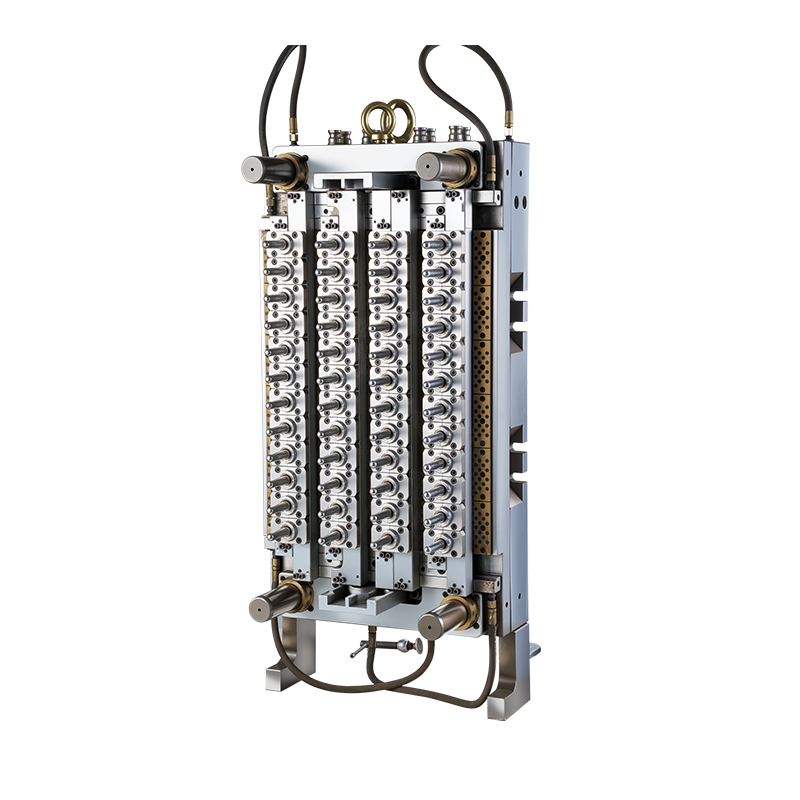
Factory Advantages: Utilizing high-hardness mold steel and precision-m...
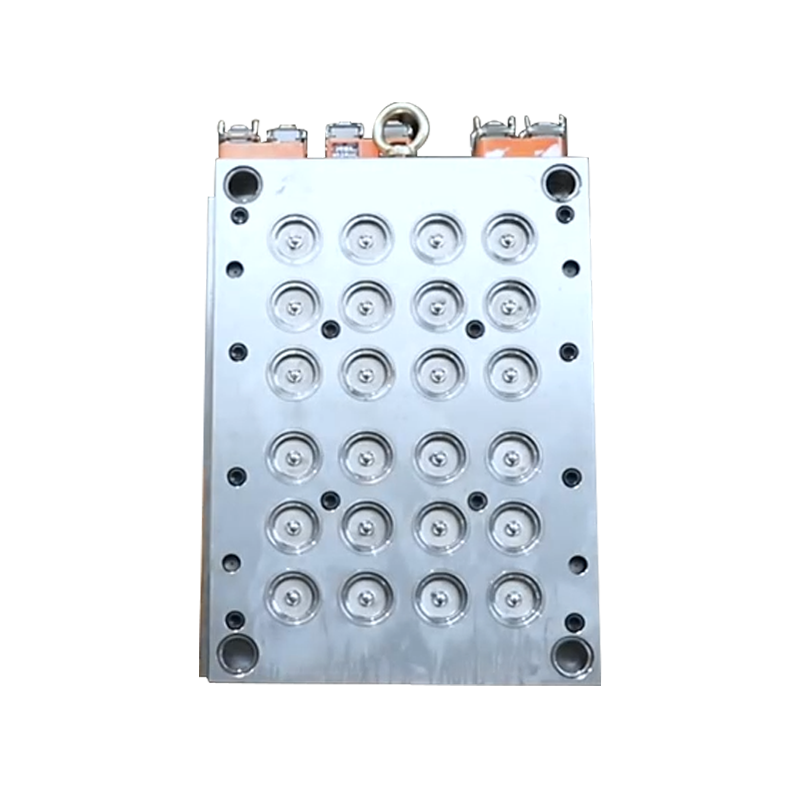
This 24-cavity PE flip-top cap hot runner injection mold is developed ...
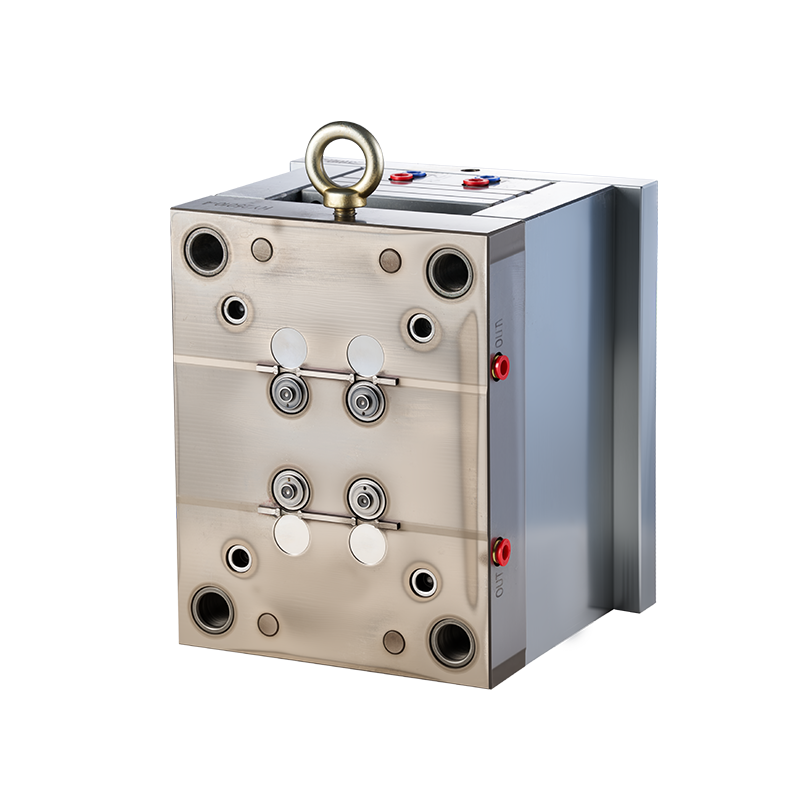
Factory Manufacturing Advantages: The mold base is made of P20 steel, ...
There is a bottle cap mold factory somewhere that made the mold for the cap sitting on whatever bottle is nearest to you...
READ MOREBefore a plastic bottle takes its familiar shape, it starts as a preform — a thick-walled tube of PET resin with a finis...
READ MOREBottle cap molds serve as key tools in creating the small but essential closures that keep drinks and other liquids secu...
READ MOREThe Preform's Role in Bottle Making A PET preform is a thick-walled, test-tube-shaped blank, typically between 8 and 60 ...
READ MOREA bottle preform mold is a type of injection mold specifically used to create preforms, which are small, test-tube-shaped versions of plastic bottles. The preform includes the bottle’s neck and threads, which ensure compatibility with caps and closures. Once molded, these preforms are reheated and blown into their final bottle shapes in blow molding machines.
These molds are commonly used with Plastic Processing Equipment in facilities that produce beverage bottles, cosmetic containers, or pharmaceutical packaging.
A high-quality bottle preform mold typically includes several technical features:
These features collectively contribute to higher efficiency and reduced waste during production.
Bottle preform molds can be categorized based on cavity numbers, cooling design, and gate system:
These molds are designed to integrate seamlessly with plastic processing equipment, ensuring smooth operations in production lines.
Implementing well-designed bottle preform molds provides several benefits:
| Mold Type | Cavity Range | Runner System | Typical Use | Cooling Efficiency |
| Single-Cavity | 1 | Cold Runner | Specialized small runs | Medium |
| Multi-Cavity | 4-32 | Hot/Cold | Medium to large production | High |
| Hot Runner | 8-32+ | Hot Runner | High-volume production | Very High |
| Cold Runner | 4–16 | Cold Runner | Small to medium runs | Medium |
This table demonstrates the relationship between mold type, cavity number, and production efficiency. Selecting the right mold depends on production volume, budget, and desired cycle times.
Maintaining bottle preform molds ensures consistent quality and longevity. Some recommended practices include:
Following these practices also helps reduce downtime and supports the continuous operation of plastic processing equipment.
Bottle preform molds are widely applied in industries where PET bottles are standard packaging solutions:
The versatility of bottle preform molds makes them an essential component in modern manufacturing processes.
How does a bottle perform mold work?
The mold is installed on an injection molding machine. Molten PET or other plastics are injected into the mold cavities under high pressure. After cooling, the mold opens, and the preforms are ejected. This process is repeated in cycles.
What materials are used for bottle preform molds?
Mold components are usually made from high-quality steel or alloy to withstand high pressure and repeated heating cycles. Common steel types include P20, H13, and stainless steel.
What is the importance of cavity number?
The number of cavities determines how many preforms are produced per injection cycle. Multi-cavity molds increase output but require precise temperature and pressure control to maintain uniform quality.

 +86-15988912600
 No. 25 Maofeng Street, Xinqian Street, Huangyan District, Taizhou City, Zhejiang Province


Lucy
[email protected]
