

 English
 русский
 Español
 عربى
عربىA bottle cap mold factory serves as an important part of the packaging supply chain, producing the precision tools needed to manufacture plastic closures for all kinds of containers. These facilities design and build molds that shape the caps people see on everyday items like water bottles, soft drink containers, juice packs, and food jars. The entire process centers on creating reliable molds that turn out caps with accurate threads and tight fits.
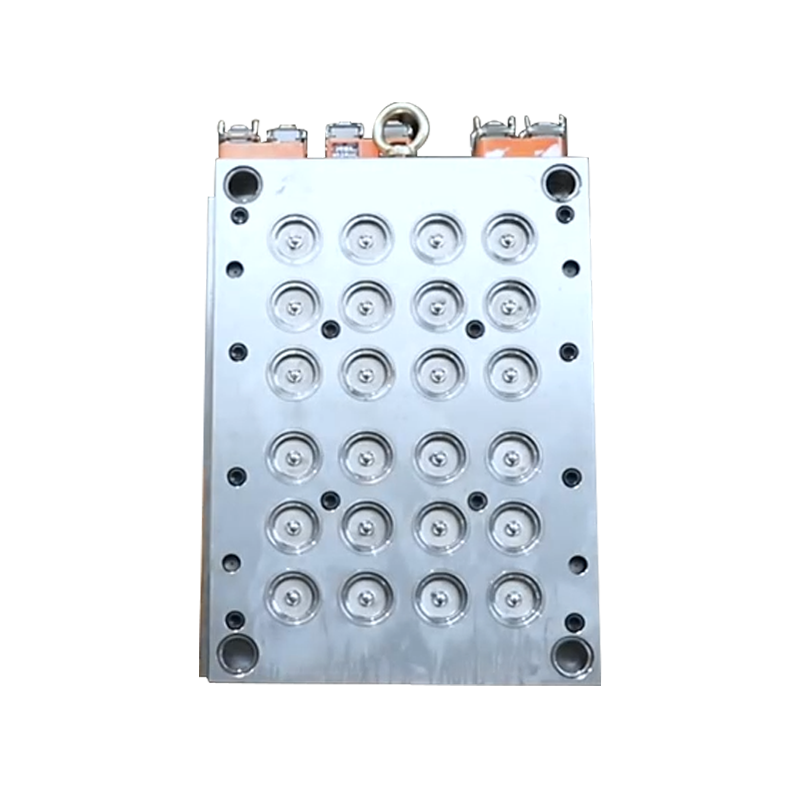
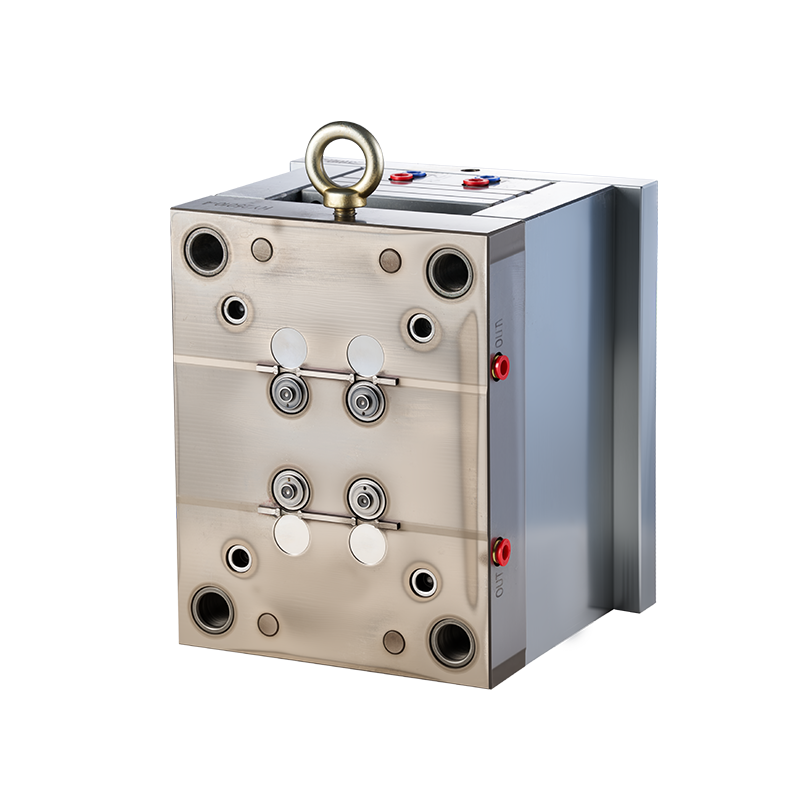
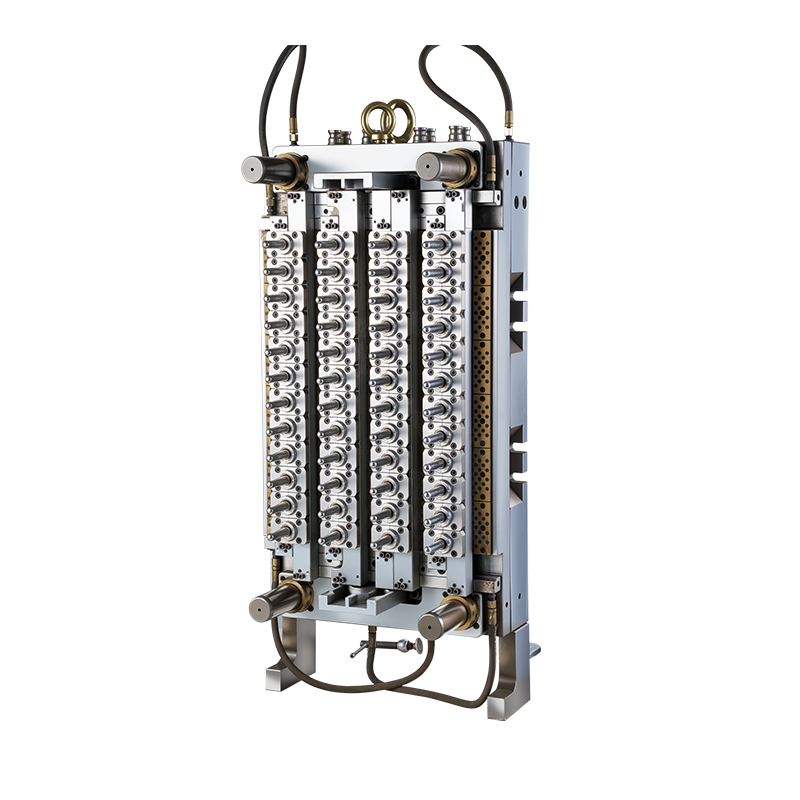
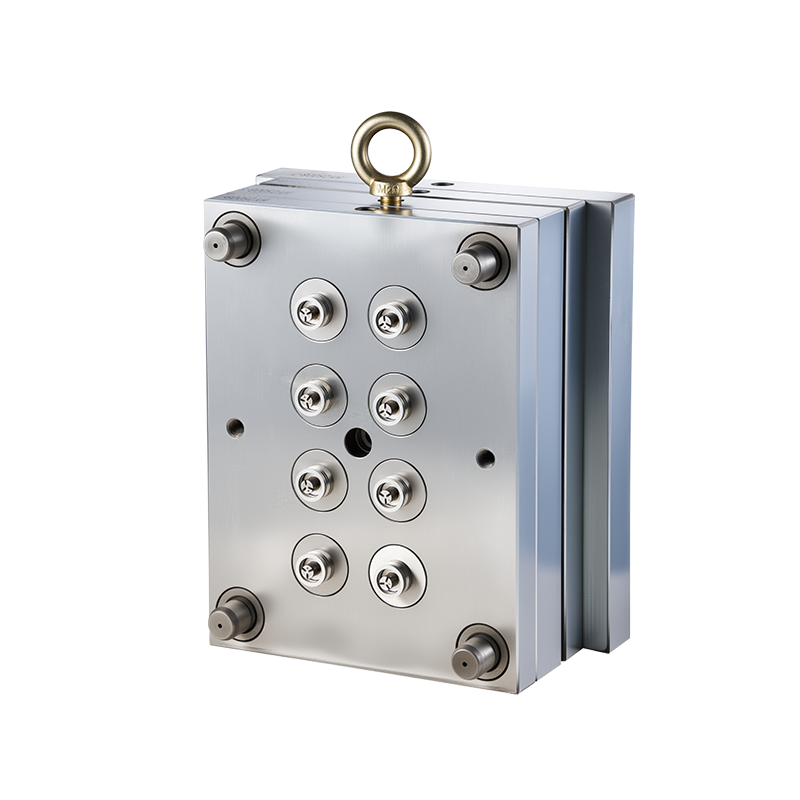
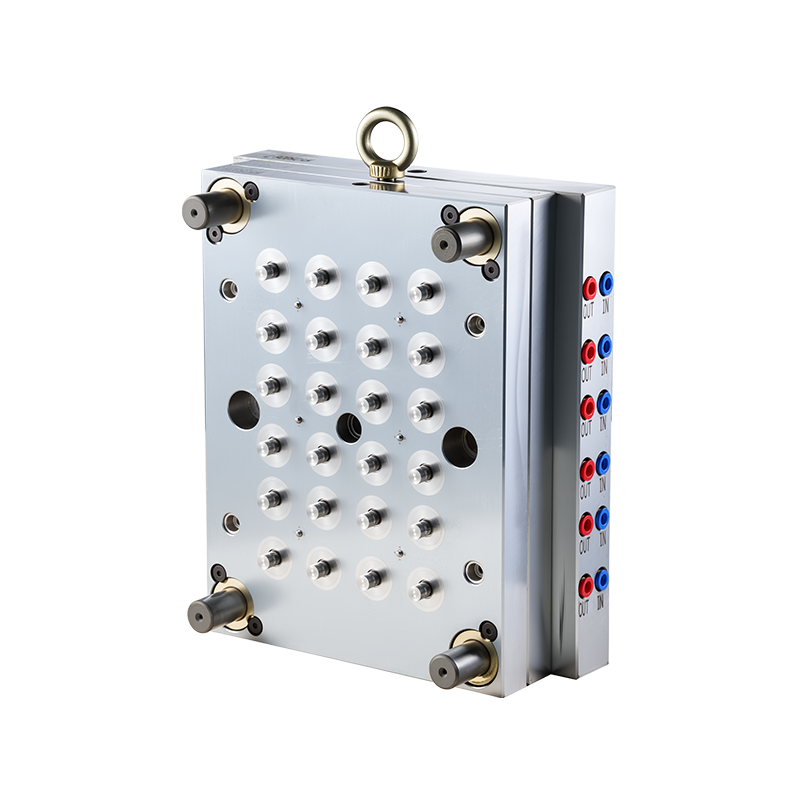
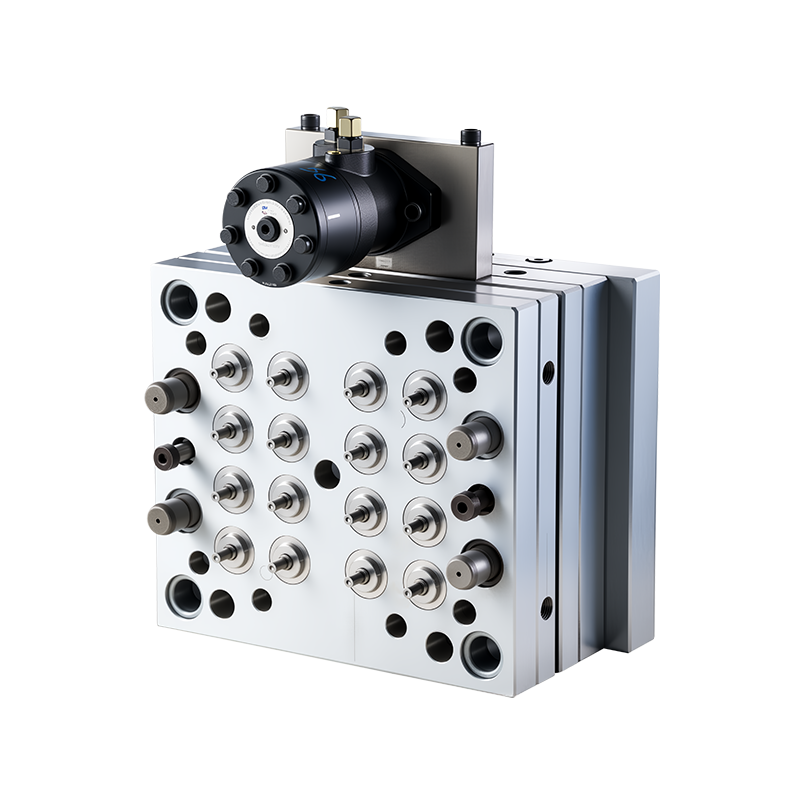
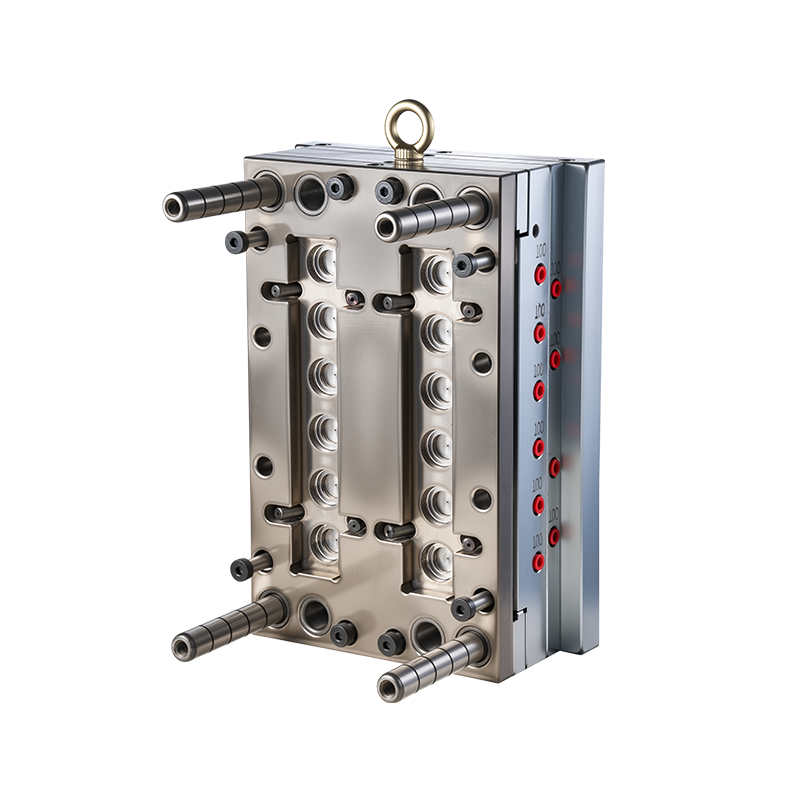
Inside such a factory, production starts with detailed mold engineering. Technicians use computer software to plan each component, from the core and cavity plates to the cooling lines that run through the steel. Once built, these molds go into injection molding machines where plastic pellets are heated and forced into the cavities under pressure. A single mold often features multiple cavities, so several caps can be produced in one quick cycle. This approach helps factories keep up with the steady orders coming from packaging companies.
Made from hardened steel alloys, the molds are engineered to handle nonstop thermal cycling while staying dimensionally stable. Features like carefully tuned venting and polished ejection pins help each cap come out cleanly, without sticking or deformation. From there, automated systems pass the parts on for trimming or further processing. Finally, quality control checks confirm that thread depth, cap height, and diameter all fall within required limits.
Many factories supply molds for different sectors. Beverage producers need caps for carbonated drinks that can handle internal pressure, while food packaging lines often require versions with tamper-evident rings. Pharmaceutical companies order molds for smaller caps that include child-resistant features or special liners. Each variation calls for careful adjustments during the mold design phase so the final product matches the bottle neck exactly.
Factories also manage the flow of finished molds to client sites. Some molds weigh several tons and require careful crating and shipping to prevent surface damage. Upon arrival, installation teams bolt them into existing production lines and run test cycles to verify performance. Minor tweaks at this stage can fine-tune the cap fit for specific bottle designs used by different brands.
Bottle caps may seem like small items, but their molds represent a sizable investment in time and engineering. A well-designed mold can produce hundreds of thousands of caps before needing major attention. The threading must match industry standards so the caps screw on smoothly yet seal firmly enough to prevent leaks during shipping and storage.
Retail shelves around the world display the end results of this process. Shoppers pick up bottles and twist off caps without thinking about the complex tooling behind them. Yet the factories that build those molds form a quiet foundation for the entire packaging industry. Their output supports filling lines that operate at high speeds and helps ensure products reach consumers in good condition.
Adjustments to mold designs happen regularly as container styles evolve. A factory might receive requests for new cap diameters or updated tamper bands. Designers then update the digital files and supervise the machining of revised components. This flexibility allows the same facility to handle a range of projects without starting from scratch each time.
From factory floor to finished product, bottle cap mold factories help keep goods moving without disruption. Their commitment to precise engineering and stable production ensures packaging lines stay efficient across many sectors. Most consumers never see these molds, but they’re a small yet important part of getting sealed products onto store shelves.