

 English
 русский
 Español
 عربى
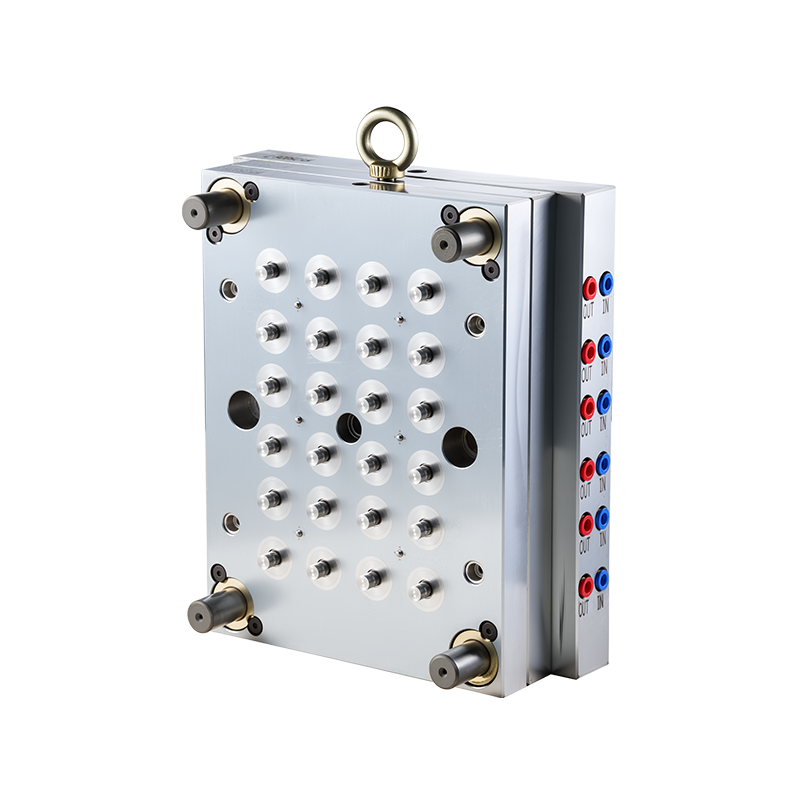
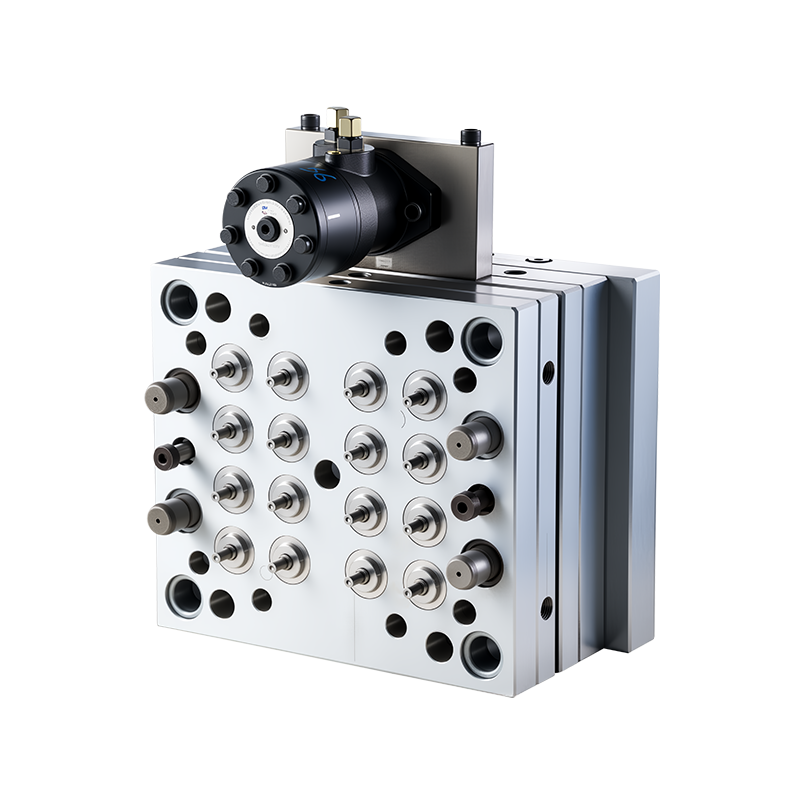
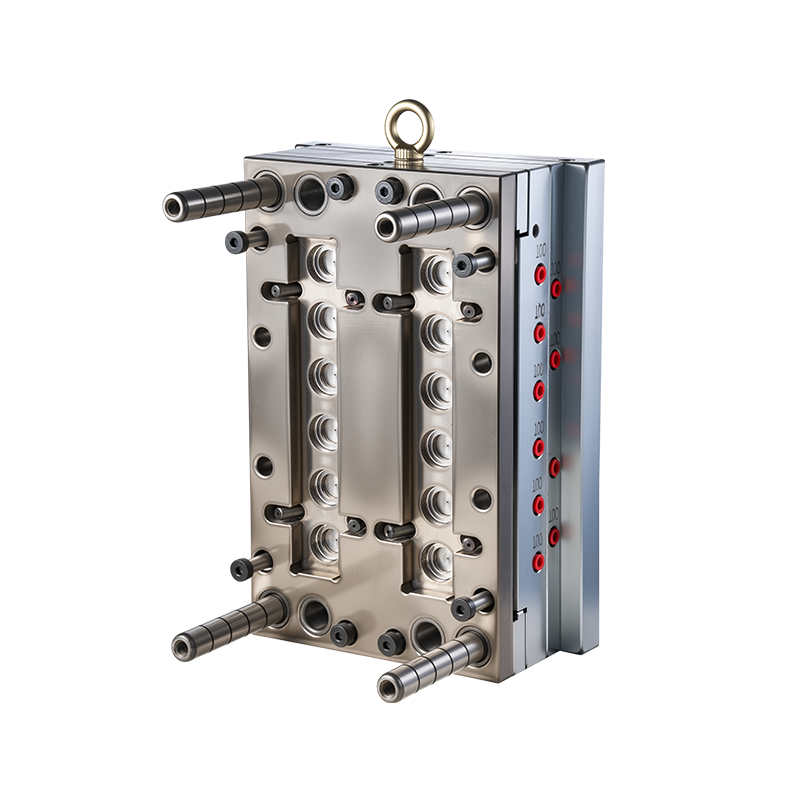
عربىBottle Preform Mold plays a crucial role in the beverage and packaging industry, quietly influencing the bottles that millions of people use every day. While the bottles themselves are what consumers see on store shelves, the preform molds are the starting point of their journey, determining the shape, strength, and durability of the final product. Every bottle begins as a preform, a small tube-like piece of plastic that later expands into the bottle shape through a process called blow molding. The mold ensures that each preform has precise dimensions, consistent wall thickness, and uniform weight, all of which are critical for the final bottle’s quality and usability.
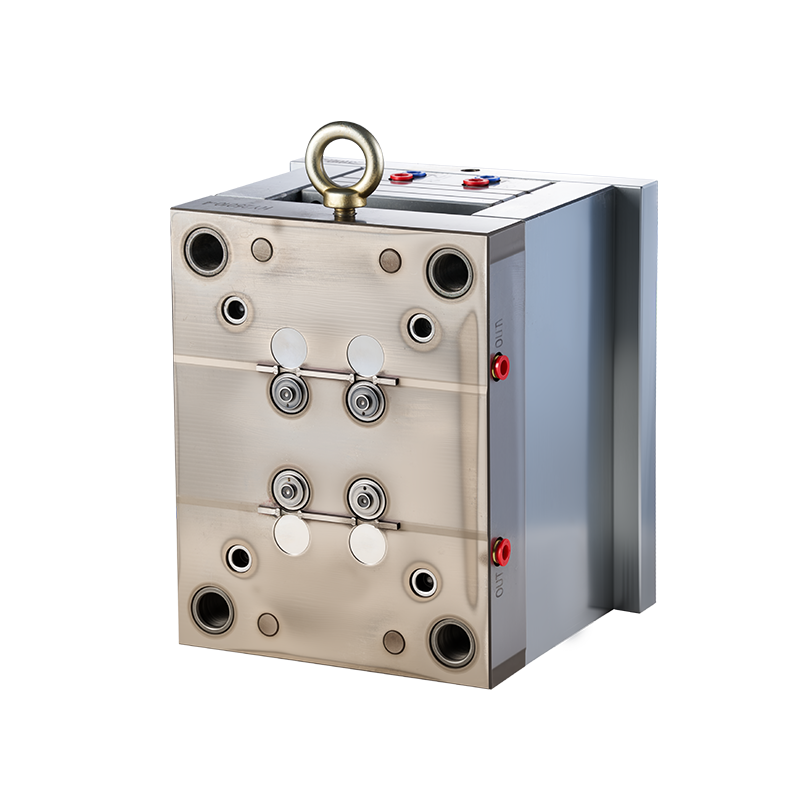
In the factory, the creation of a Bottle Preform Mold begins with design software that maps out the mold’s dimensions and specifications. Engineers consider the type of plastic used, the intended size of the final bottle, and the functional requirements, such as the capacity to withstand pressure or heat. A small deviation in mold design can lead to defects like uneven walls, weak spots, or deformation during blow molding. Once the design is finalized, the mold is crafted from high-quality steel using precision machining. This ensures that the mold can endure repeated use without losing its shape or accuracy.
The production process of the preform itself is closely tied to the mold’s design. Plastic pellets are heated until they reach a molten state, then injected into the mold cavity where they take the shape of the preform. Cooling systems within the mold quickly solidify the plastic, and ejector pins release the newly formed preform. The process is repeated thousands of times each day, creating a consistent supply of preforms ready for blow molding. Factories often monitor the mold’s temperature and pressure during production to maintain uniform quality and reduce waste.
One of the interesting aspects of Bottle Preform Mold is its adaptability. Different types of bottles—such as those for water, soft drinks, juice, or even pharmaceutical liquids—require molds with specific designs. Some molds are made to produce lightweight bottles for transportation efficiency, while others are designed to make thicker, more durable bottles for carbonated beverages. The mold can also incorporate threads for caps, areas for labeling, and features for tamper-evident seals, all integrated into the preform stage to streamline later manufacturing steps.
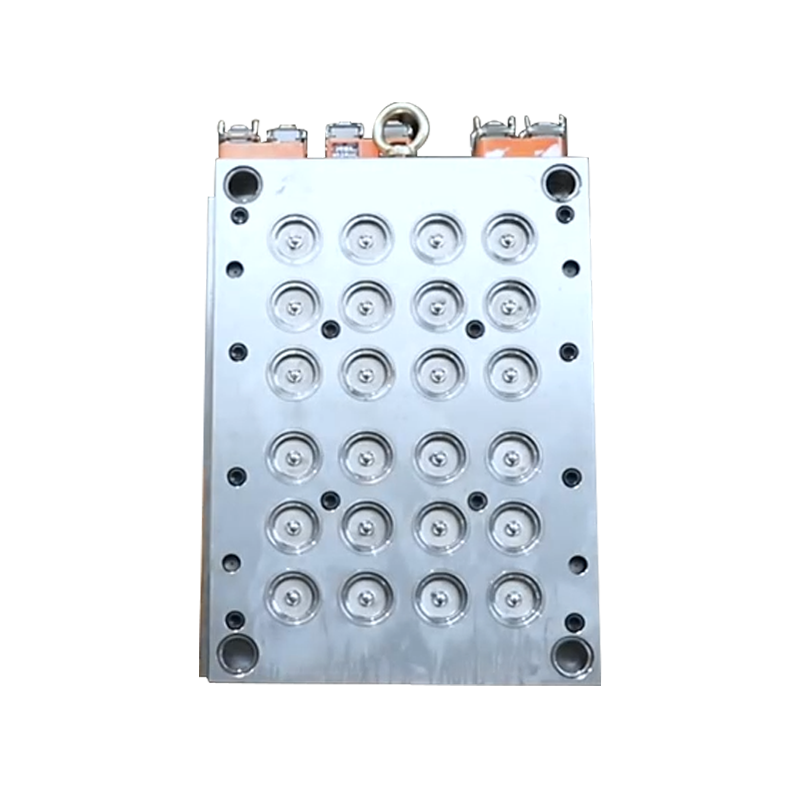
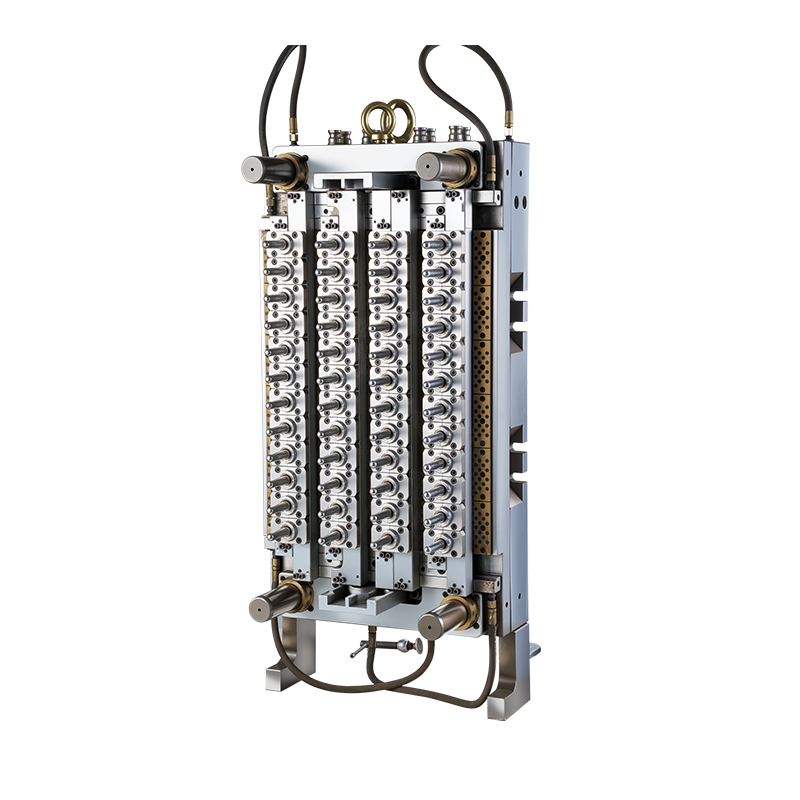
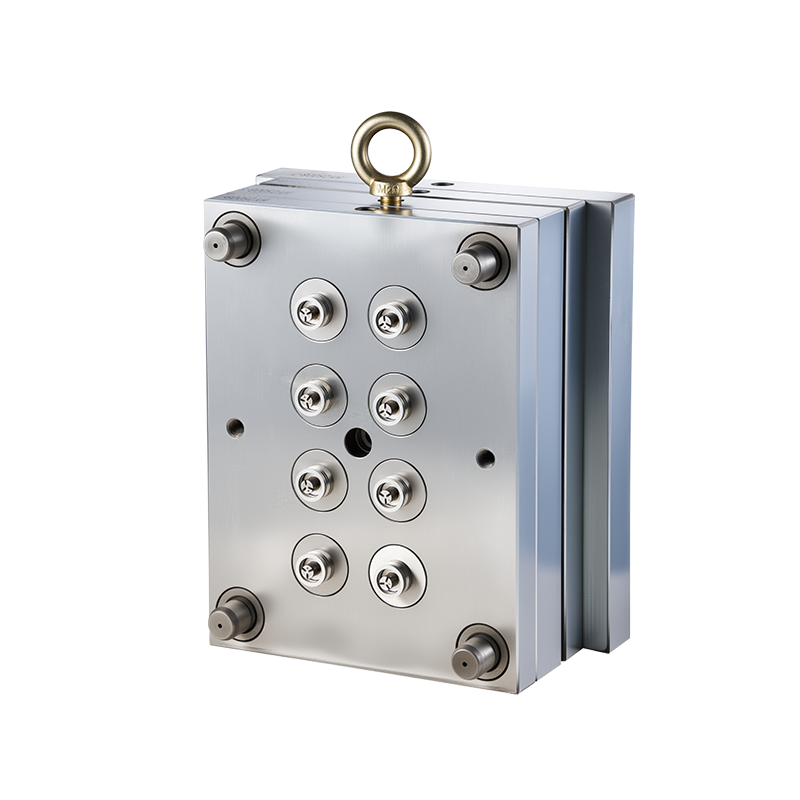
Innovation in Bottle Preform Mold technology continues to evolve. Some manufacturers explore multi-cavity molds, which allow the production of multiple preforms simultaneously, increasing efficiency without compromising quality. Others experiment with cooling channels and surface coatings to enhance cycle time and surface finish. The goal is to produce molds that deliver consistent preforms while reducing energy use, minimizing material waste, and allowing factories to respond to market demands quickly.
While preform molds may seem like an unseen part of the packaging process, their impact is significant. They influence the material usage, the appearance of the final bottle, and the overall production efficiency. A well-designed mold can lead to bottles that are not only functional and durable but also visually appealing to consumers. At the same time, precise molds help factories reduce defects, lower production costs, and maintain a steady supply for bottling lines.