

 English
 русский
 Español
 عربى
عربىUnderstanding the Role of Bottle Cap Mold Manufacturers
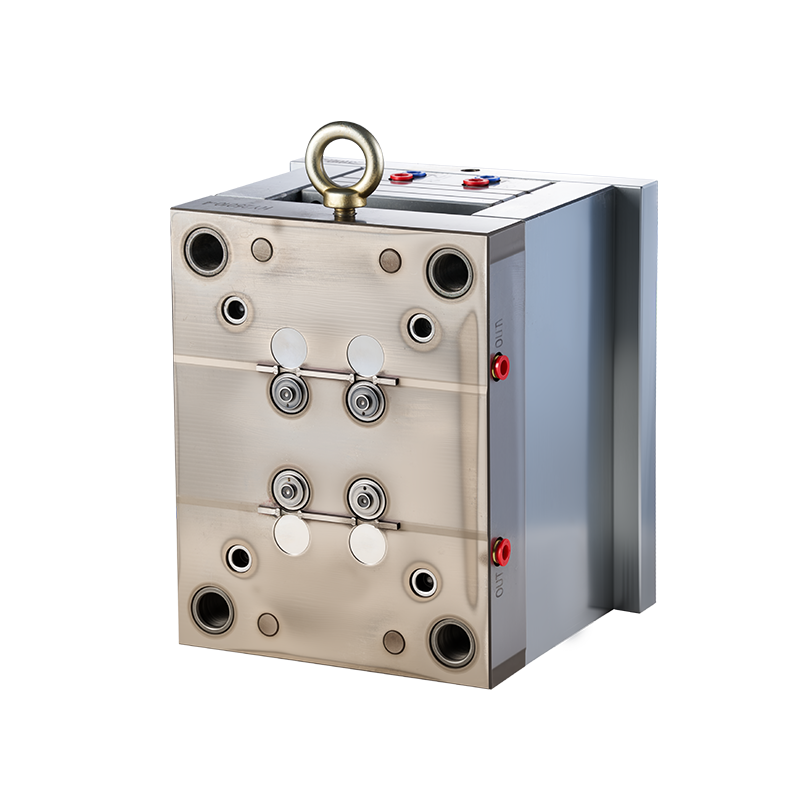
Bottle cap mold manufacturers play an essential part in the production of one of the most commonly used packaging components—the bottle cap. Their primary role is to design and produce molds that shape and form the caps for bottles, which can range from soft drink bottles to cosmetic and pharmaceutical packaging. The quality and precision of these molds are crucial, as they ensure that bottle caps fit securely and perform their intended function without fail.
These manufacturers employ skilled engineers and mold designers who work with various materials, including aluminum, plastic, and sometimes specialized polymers. The process is complex, requiring the right blend of creativity and technical expertise to create molds that can withstand repeated use while producing consistent results. The cap mold manufacturers' ability to meet these standards impacts the overall efficiency and reliability of the production process for businesses that rely on packaging.
The Manufacturing Process Behind Bottle Cap Molds
Creating a bottle cap mold involves several advanced manufacturing techniques. Most mold manufacturers start by crafting a prototype to ensure the design meets functional requirements. After this, they employ precision tooling methods like CNC machining, EDM (electrical discharge machining), and injection molding to refine the design and create durable molds.
Injection molding, in particular, is widely used for bottle cap production. In this process, the molten material—typically plastic—is injected into the mold cavity under high pressure, allowing it to take shape as it cools and solidifies. The use of advanced injection molding technology allows manufacturers to produce caps with high accuracy and speed. These molds can be reused thousands of times, making them highly cost-effective for large-scale production. Modern tools like 3D modeling and simulation software help manufacturers test designs digitally before creating physical prototypes, ensuring fewer errors and faster time-to-market.
Material Selection in Bottle Cap Mold Manufacturing
The materials used in bottle cap molds are essential to the durability and performance of both the molds themselves and the caps they produce. A bottle cap mold manufacturer must carefully select materials that can withstand high temperatures and pressures involved in the injection molding process while ensuring that the final product meets the necessary safety and quality standards.
For standard plastic bottle caps, materials like polypropylene (PP) and polyethylene (PE) are common choices due to their resilience and ease of molding. However, for specialized applications—such as bottles that require tamper-evident features—materials like polyethylene terephthalate (PET) or high-density polyethylene (HDPE) may be chosen. A skilled manufacturer will take into account factors such as the intended use of the cap, the type of beverage or product being contained, and regulatory requirements to select the ideal material.
Innovations and Technologies in Bottle Cap Mold Production
In recent years, innovations in technology have significantly improved the capabilities of bottle cap mold manufacturers. 3D printing, for example, has allowed for quicker prototyping and adjustments to mold designs. Rather than waiting for traditional machining to create a prototype, manufacturers can now print a model of the cap mold in a fraction of the time, which helps reduce design-to-production time.
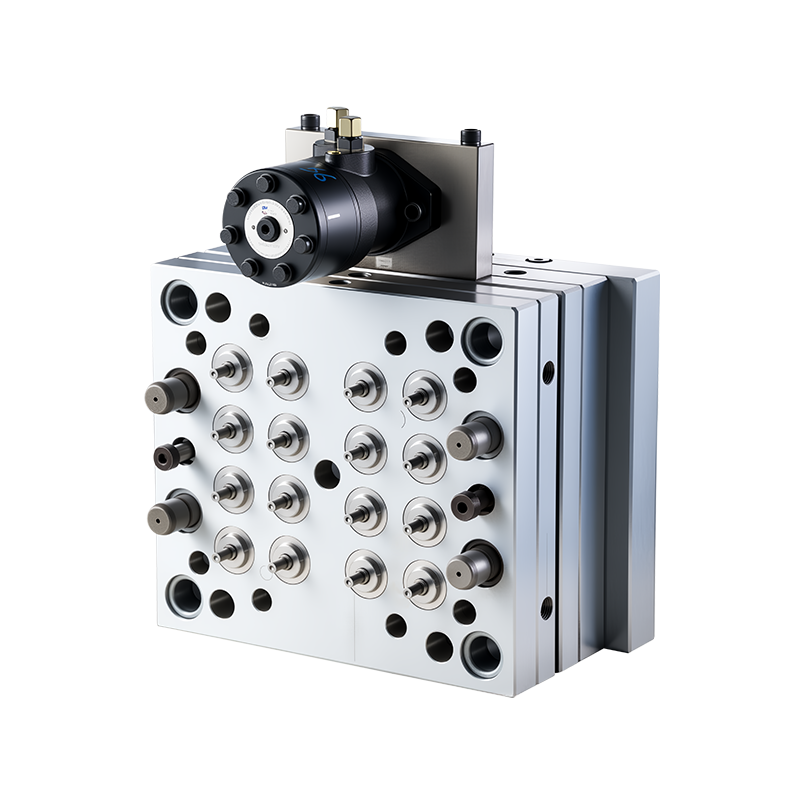
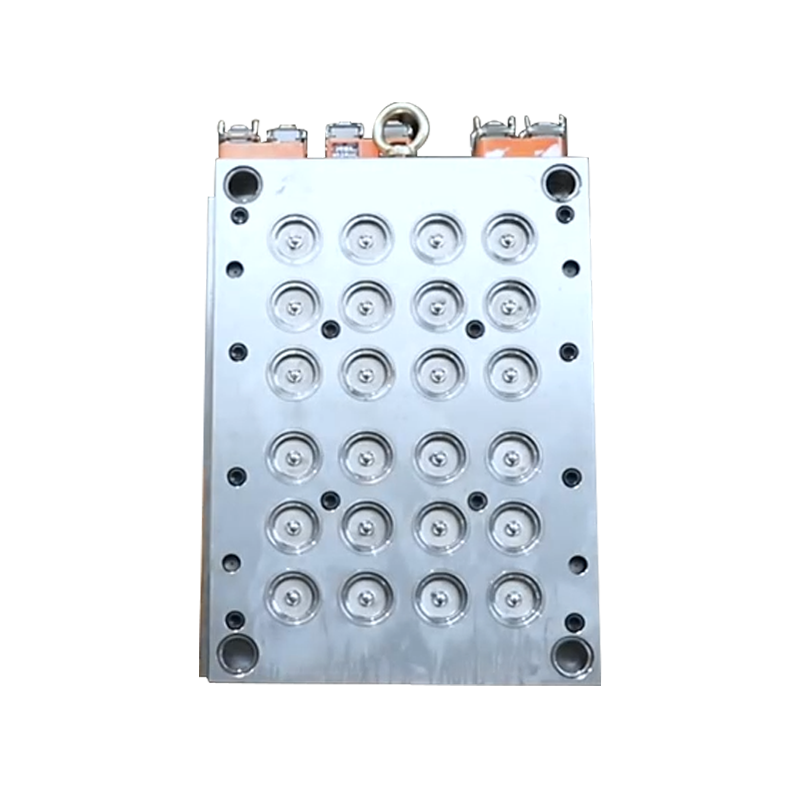
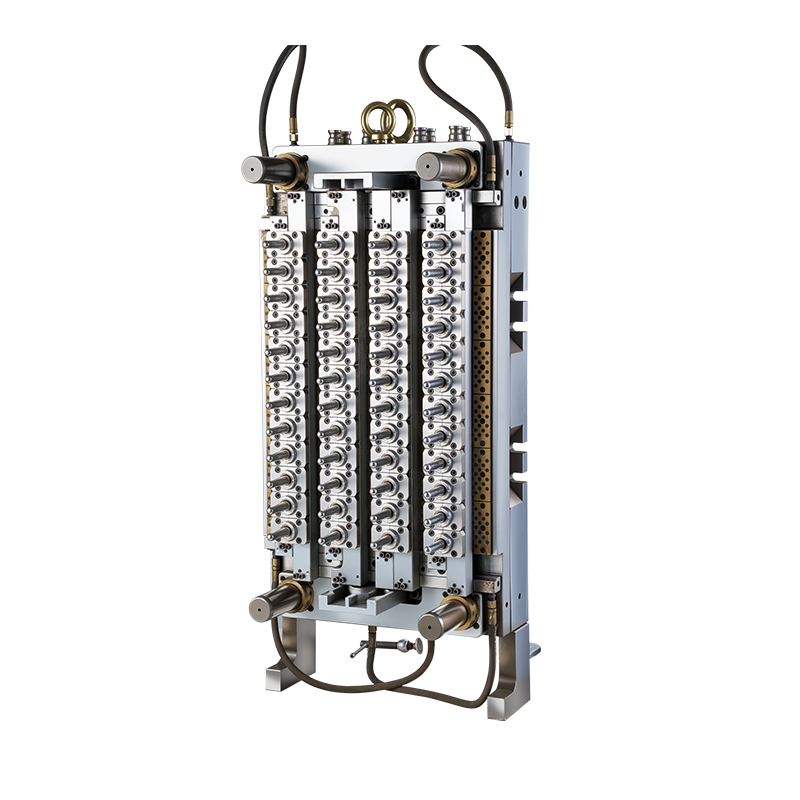
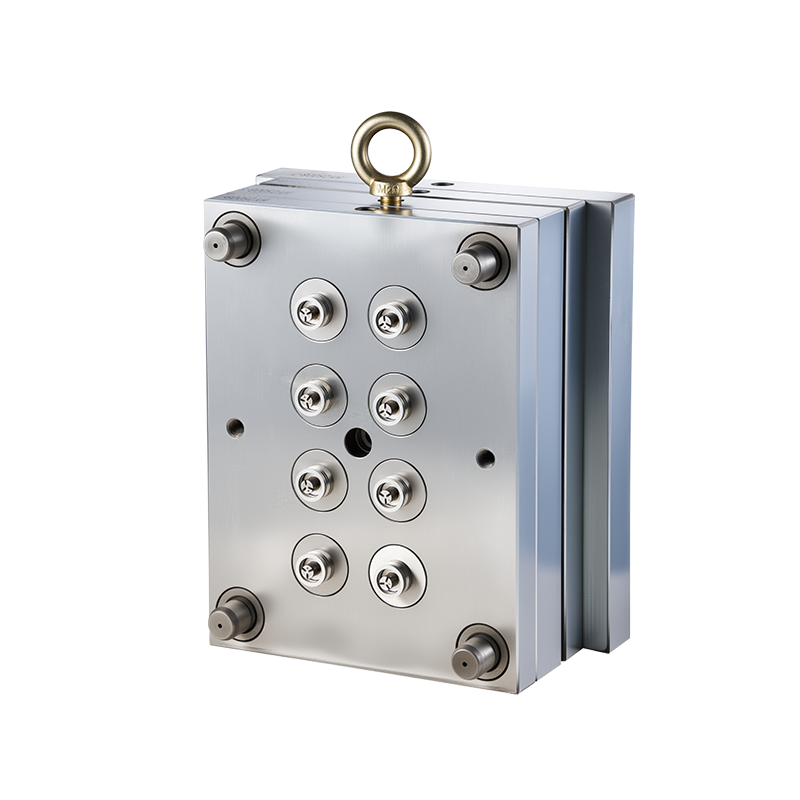
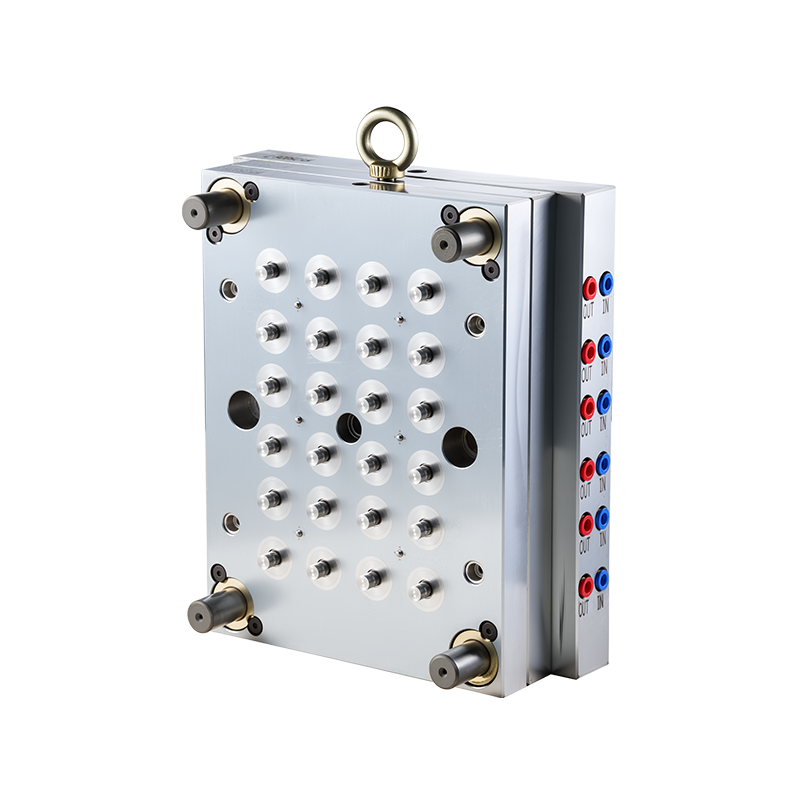
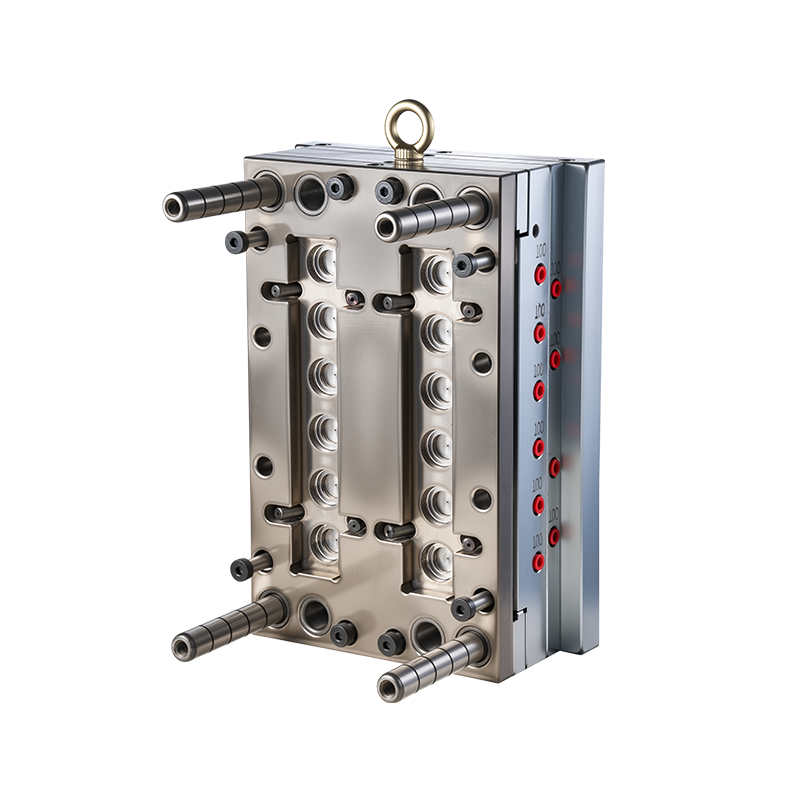
Another advancement involves the use of multi-cavity molds. These molds allow for the simultaneous production of multiple caps per cycle, increasing overall efficiency and output. These molds have become increasingly popular in industries where high-volume production is key. Some manufacturers have embraced automated processes in their production lines, reducing human error and increasing overall production speed.