

 English
 русский
 Español
 عربى
عربىBottle Cap Mold Factory operations sit quietly behind the fast-moving world of packaging, yet their influence touches nearly every bottled product on store shelves. From bottled water and soft drinks to shampoo, detergent, and pharmaceutical containers, caps play a direct role in sealing performance and user convenience. The tooling that forms these caps determines thread precision, tamper-evident structure, and overall durability.
Inside a Bottle Cap Mold Factory, design work begins long before any steel is cut. Engineers review bottle neck specifications, sealing ring dimensions, and torque requirements. Every cap must match its corresponding container precisely. Even a slight variation in thread pitch can affect how smoothly a cap tightens or how securely it holds pressure. Carbonated beverage closures, for example, require carefully controlled geometry to manage internal gas expansion.
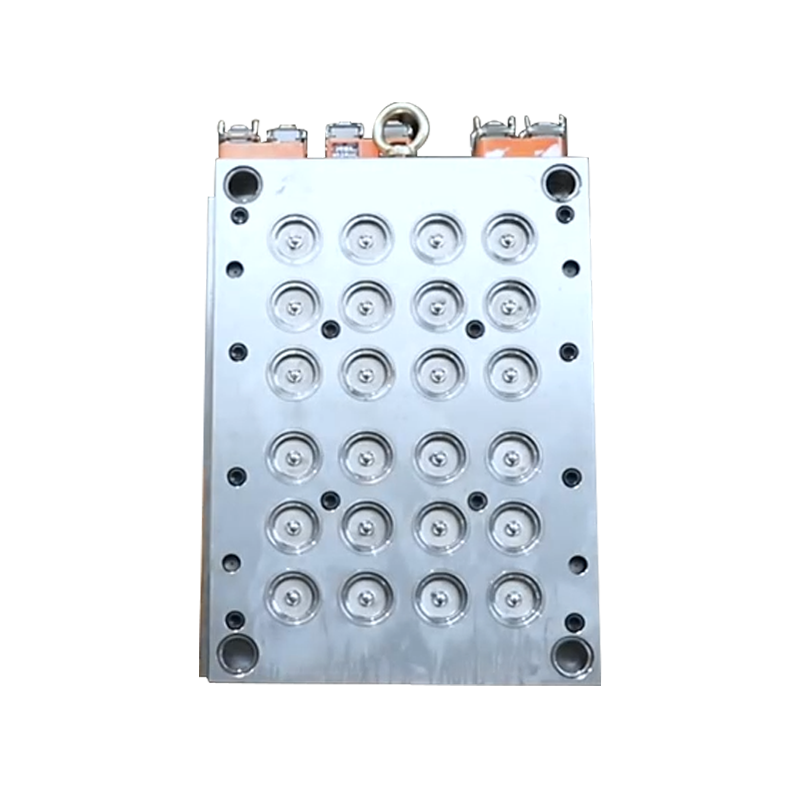
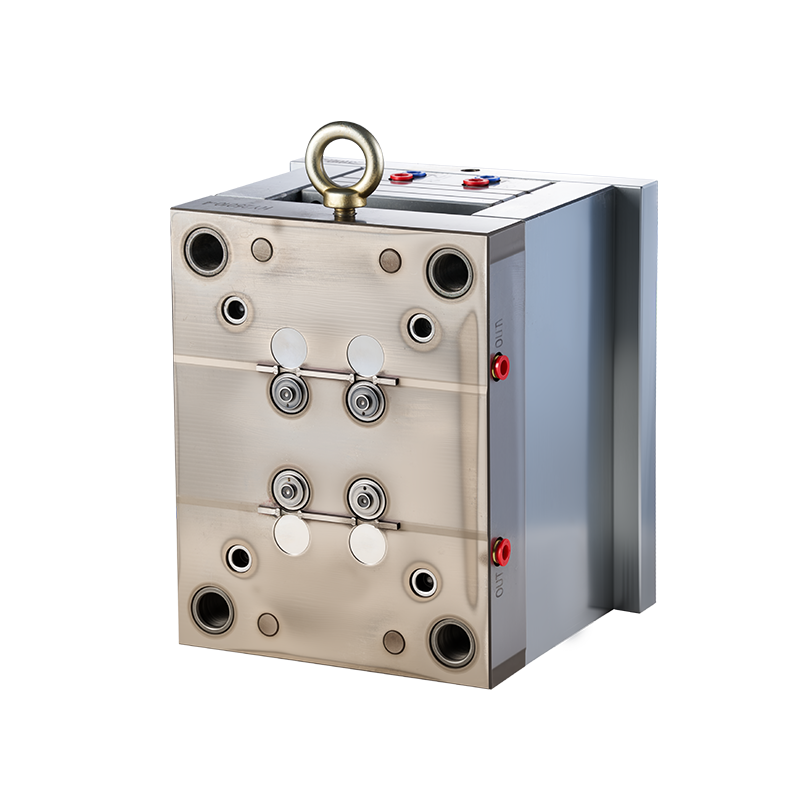
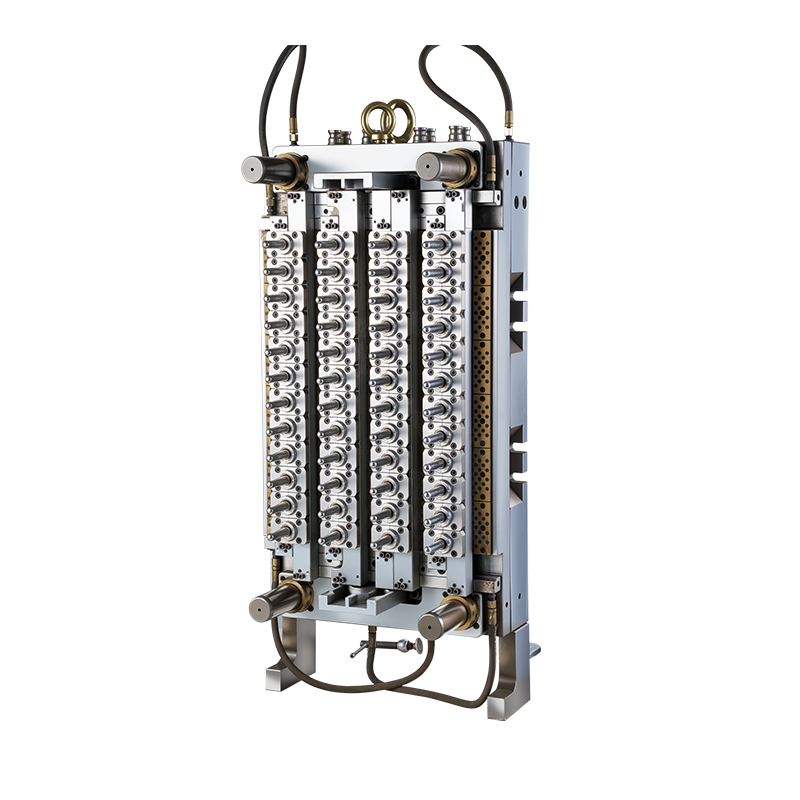
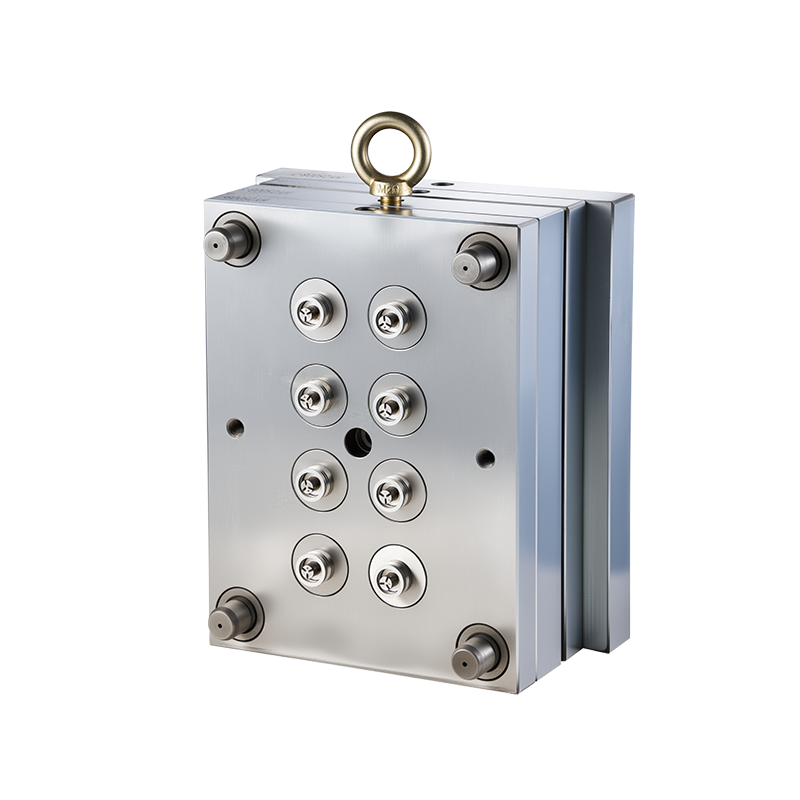
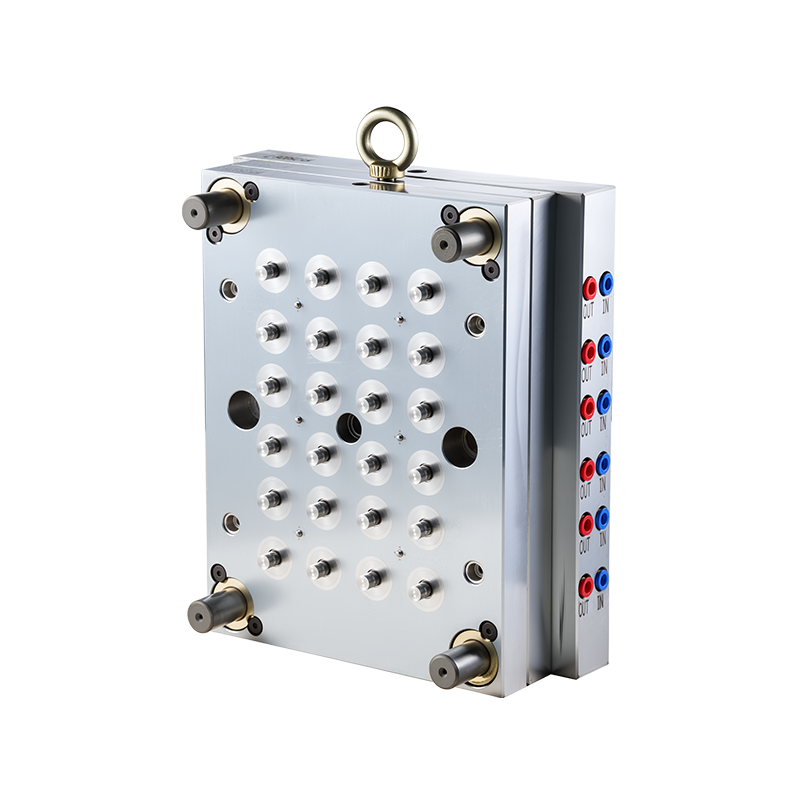
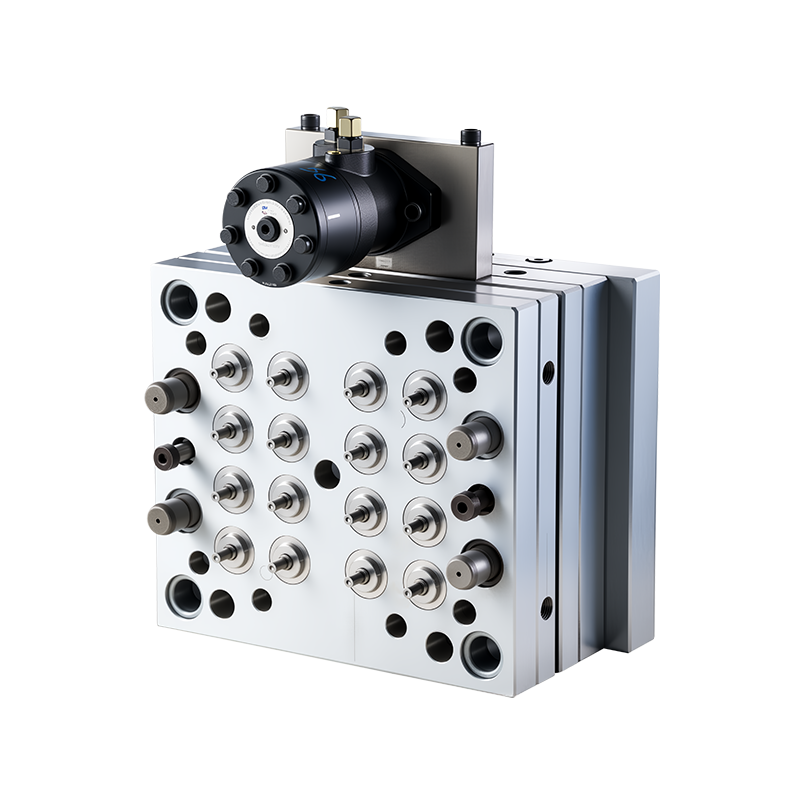
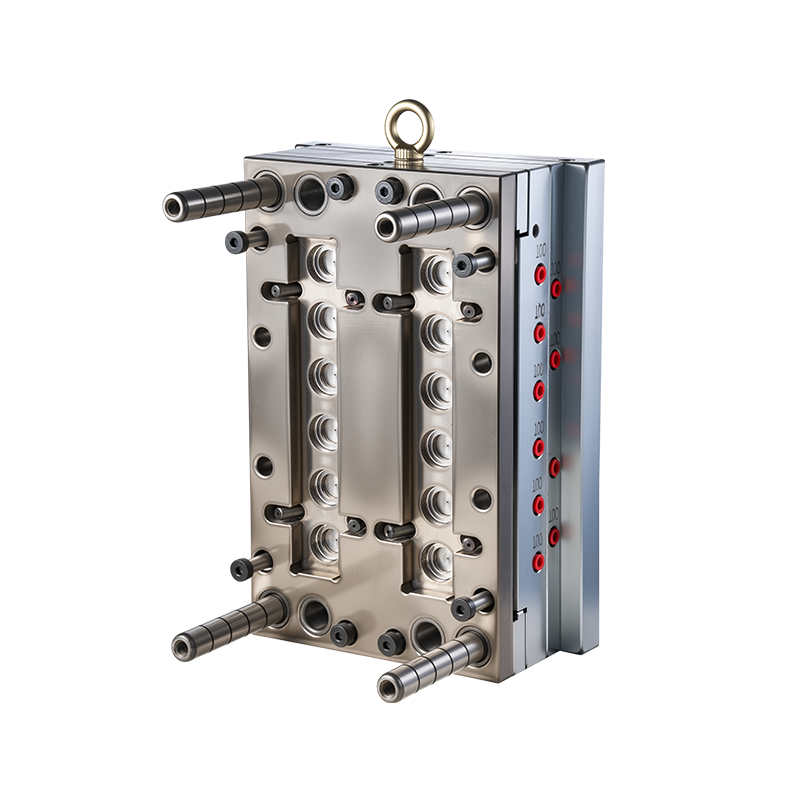
High-cavity mold systems are common in this field. A single mold base may include dozens of cavities operating simultaneously. Balanced hot runner systems distribute molten plastic evenly, allowing each cavity to fill under consistent conditions. Temperature regulation inside the mold influences shrinkage rates and dimensional stability. Coordinated cooling channels reduce cycle time while maintaining structural accuracy.
Machining precision forms the backbone of production. CNC milling, wire cutting, and precision grinding shape cavity inserts and core components. Thread areas receive particular attention, since these features directly impact sealing performance. Surface finishing processes refine cavity interiors, contributing to clean part release and uniform texture. Advanced inspection equipment, including 3D scanners and optical comparators, further ensures molds meet design intent before full-scale production begins.
Once assembly is complete, molds undergo sampling trials. Injection molding machines produce test caps that technicians evaluate for dimension accuracy and visual consistency. Gauges measure thread engagement, while torque tests confirm opening resistance. Tamper-evident bands are inspected for bridge thickness and separation behavior. These evaluations ensure caps function reliably when paired with bottles on automated filling lines.
The role of a Bottle Cap Mold Factory extends beyond beverage packaging. Personal care products often use flip-top caps that incorporate hinge mechanisms. These designs require additional sliding components within the mold structure. Household chemical closures may include child-resistant features, demanding multi-step motion during molding. Each application adds complexity to mold engineering and assembly. Factories must also anticipate changes in consumer trends, such as sustainability initiatives that encourage lightweight caps or recyclable plastics, which can affect mold design and cycle management.
Production planning inside the factory aligns machining schedules with client delivery timelines. Component fabrication, heat treatment, polishing, and final fitting occur according to structured workflows. Documentation tracks dimensional tolerances and assembly procedures, supporting repeatability when clients reorder similar molds. Continuous improvement practices, including monitoring wear patterns and analyzing defect rates, help factories optimize performance and reduce downtime, ensuring that cap production remains consistent and reliable across every batch.
Conclusion
Bottle Cap Mold Factory plays a pivotal role in the packaging industry, ensuring that every cap meets precise design and functional standards. From careful engineering and high-precision machining to rigorous testing and production planning, each step contributes to reliable sealing, user convenience, and safety. Beyond beverages, molds accommodate diverse applications, including personal care and household products, while adapting to evolving consumer preferences and sustainability goals. Combining technical expertise, structured workflows, and continuous improvement, these factories ensure consistent quality and efficiency, producing packaging solutions that perform reliably across millions of products on store shelves worldwide.