

 English
 русский
 Español
 عربى
عربىMold Design and Engineering
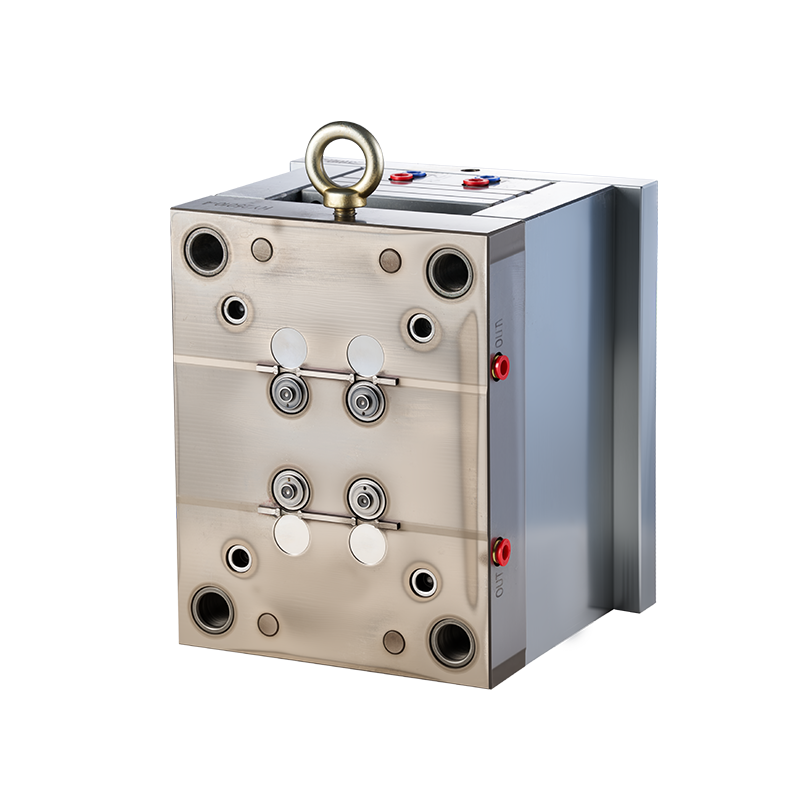
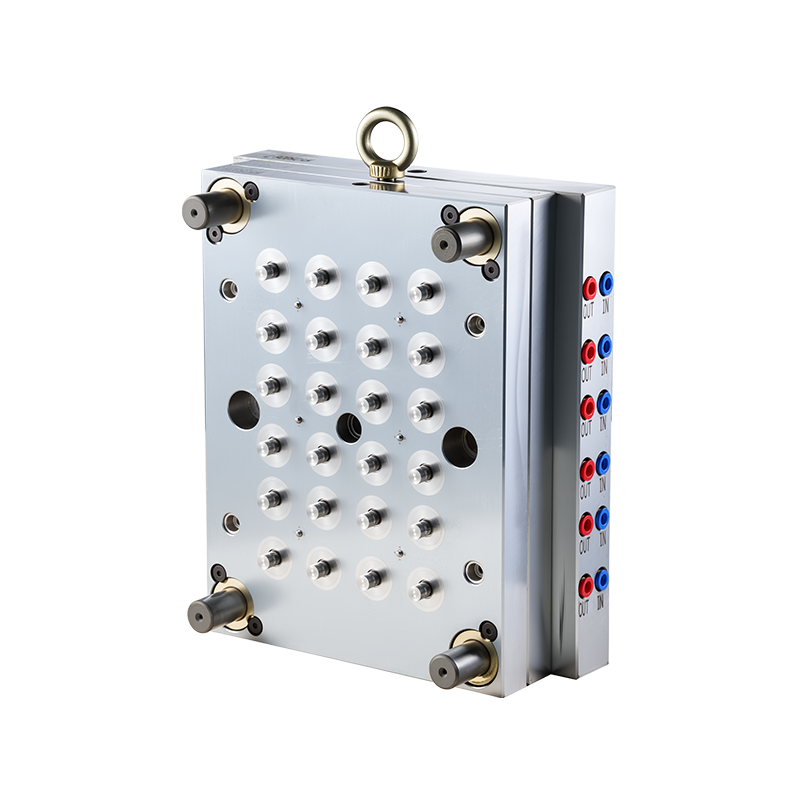
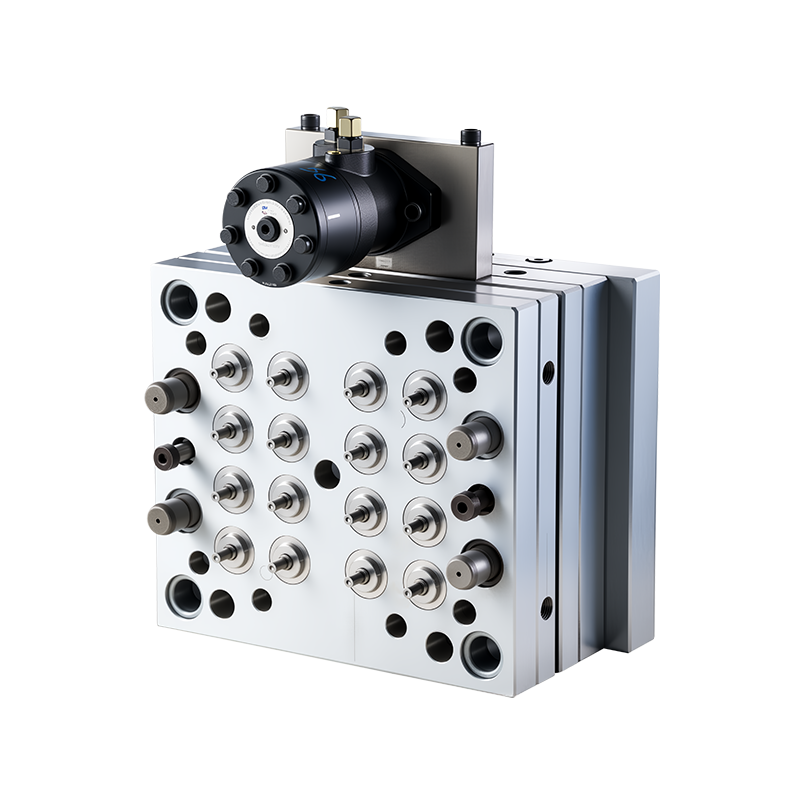
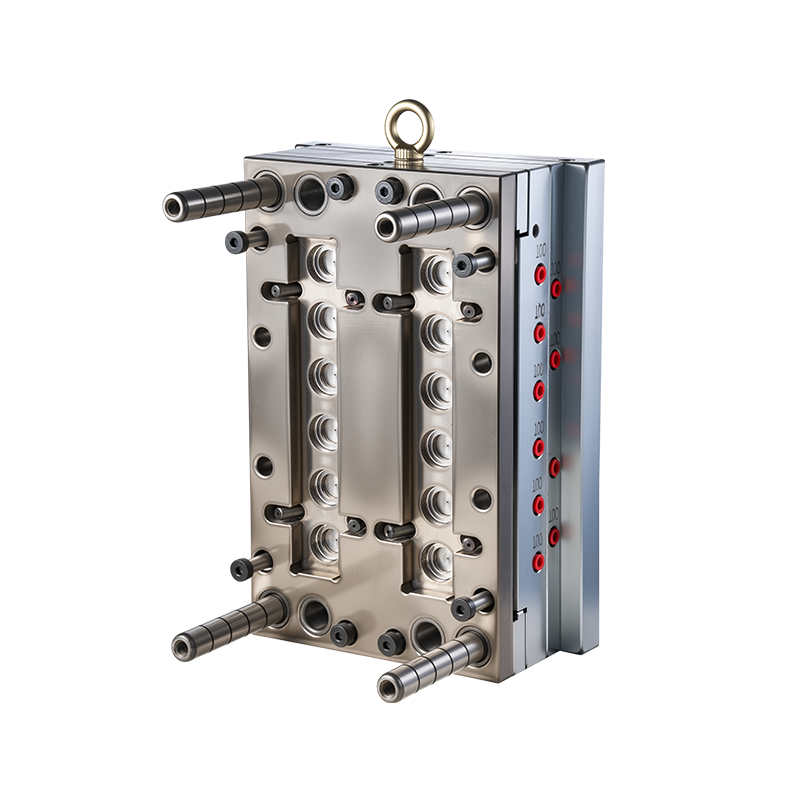
A bottle preform mold factory plays a central role in the manufacturing of plastic bottles. These factories focus on producing molds that create preforms—small, shaped pieces of plastic that are later blown into full-size bottles. The design of these molds requires careful planning to ensure consistent wall thickness, accurate dimensions, and uniform shape. Engineers consider the type of plastic, the intended bottle volume, and the final shape when creating molds. Each mold must allow for smooth ejection of the preform and minimize defects such as bubbles or uneven surfaces.
The versatility of mold design allows factories to produce a variety of preform shapes and sizes. Cylindrical, square, and custom-shaped preforms can all be manufactured using precise molds. Colors, textures, and minor decorative features can be incorporated during the preform stage, allowing brand logos or distinctive finishes to be applied later. This attention to detail demonstrates the adaptability of modern bottle preform mold factories in meeting different production requirements.
Production Processes and Efficiency
Production in a bottle preform mold factory involves injecting heated plastic into the mold cavity. The plastic cools quickly, taking on the precise shape of the mold. Automated systems handle the movement of molds, injection, and ejection to maintain steady production. The speed of production can vary depending on the complexity of the mold and the type of plastic used, but efficiency and consistency are primary goals in the factory.
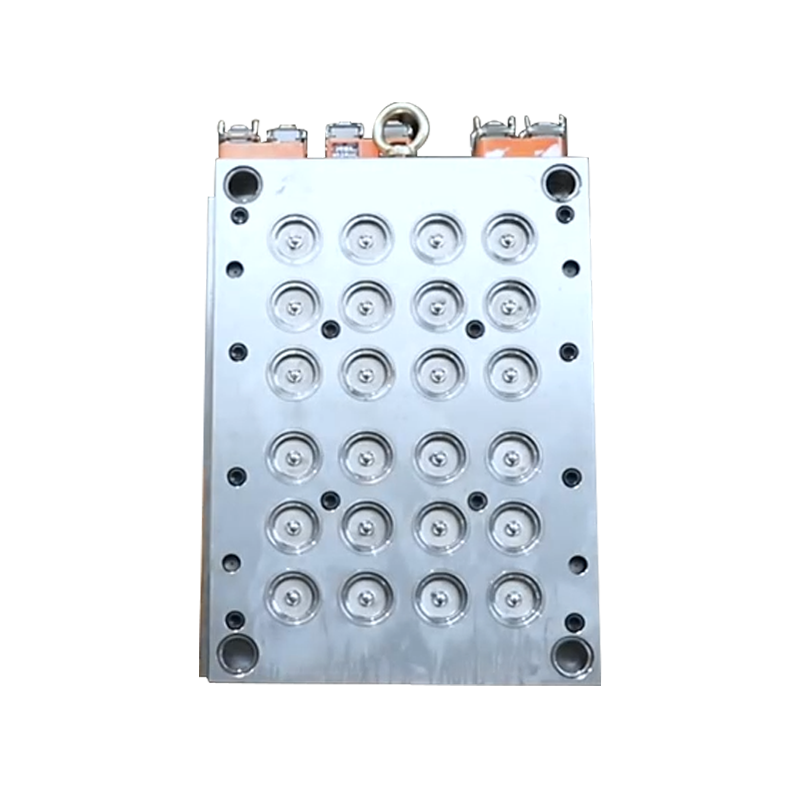
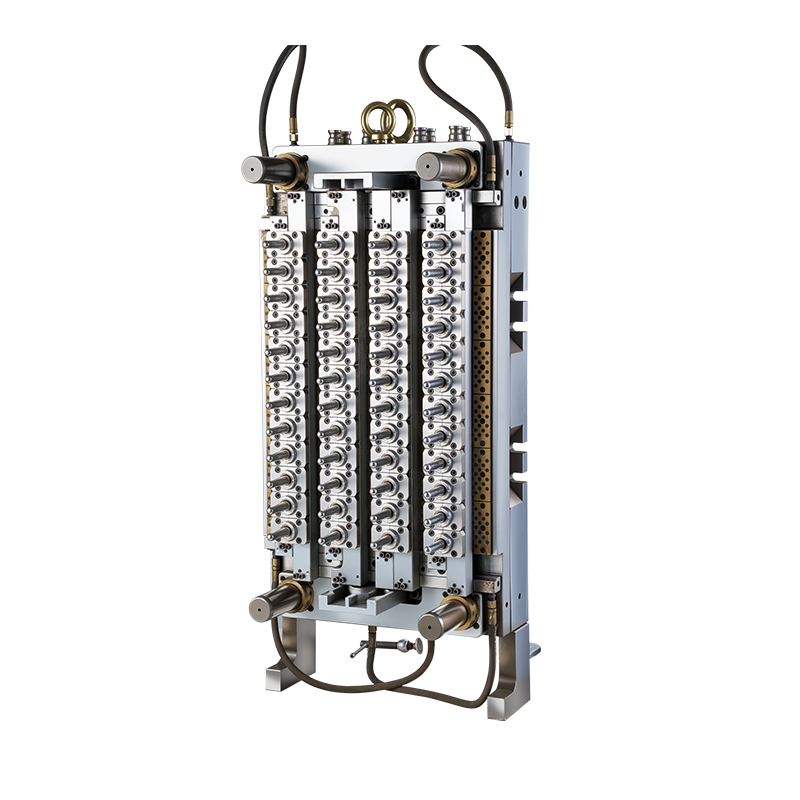
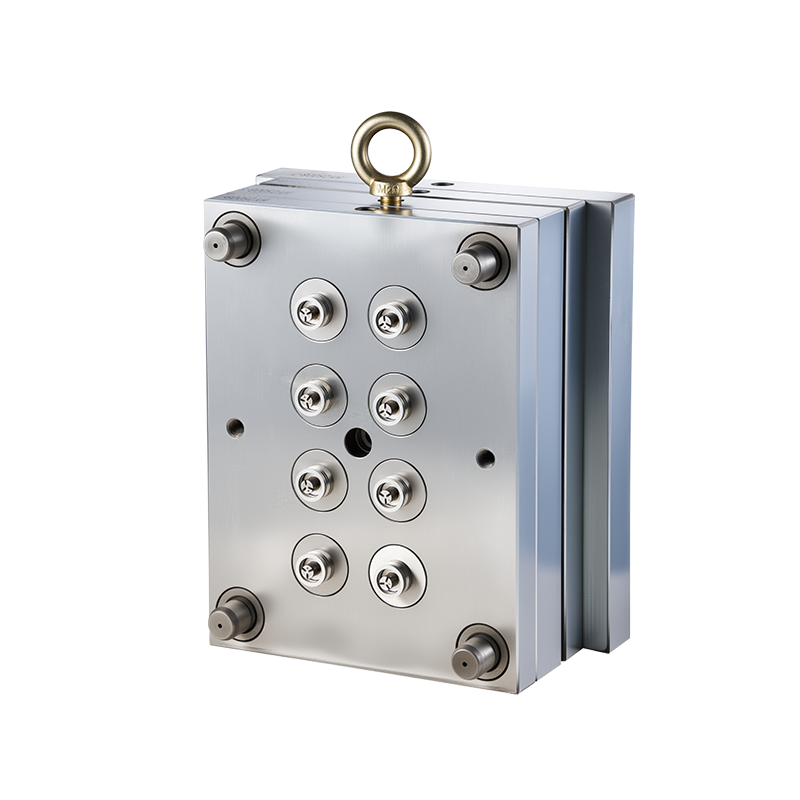
Factories often use multiple molds simultaneously to maximize output. Multi-cavity molds allow several preforms to be produced in a single cycle, which improves workflow and reduces downtime. Operators monitor the equipment to ensure that molds are filled evenly, ejected without damage, and stacked or sent to the next stage of production efficiently. Even small inconsistencies can affect the performance of the final bottle, so careful oversight is necessary throughout the process.
Temperature control and mold material selection are important factors in production. Stainless steel, aluminum, or other durable metals are commonly used to withstand repeated injection cycles. Molds must maintain consistent temperature to ensure smooth plastic flow and uniform cooling. Inconsistent temperature can lead to defects such as warping or uneven wall thickness, which affects the final product. This attention to detail ensures that preforms produced in the factory meet the necessary specifications for later bottle production.
Quality Control and Testing
Quality control is a crucial component of a bottle preform mold factory. Each batch of preforms is inspected for consistency, size, weight, and visual defects. Automated systems can measure dimensions and detect irregularities, while operators may perform manual checks for subtle surface issues. Testing ensures that preforms can withstand the pressures and temperatures of the blow molding process without cracking or deforming.
Preform testing also includes stress tests to confirm material performance. Samples may be exposed to simulated filling conditions, temperature changes, or mechanical stress to ensure that the final bottle will hold up during use. This ensures that brands can rely on the preforms for consistent quality in beverages, household liquids, or other packaged products. Quality control processes help reduce waste, minimize production interruptions, and maintain the reputation of the factory among clients.