

 English
 русский
 Español
 عربى
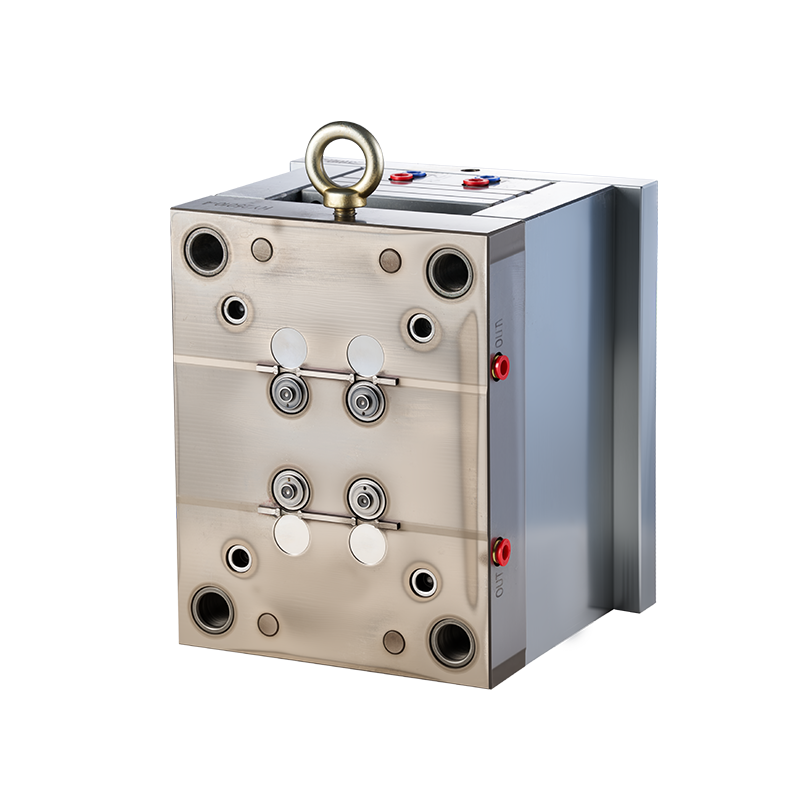
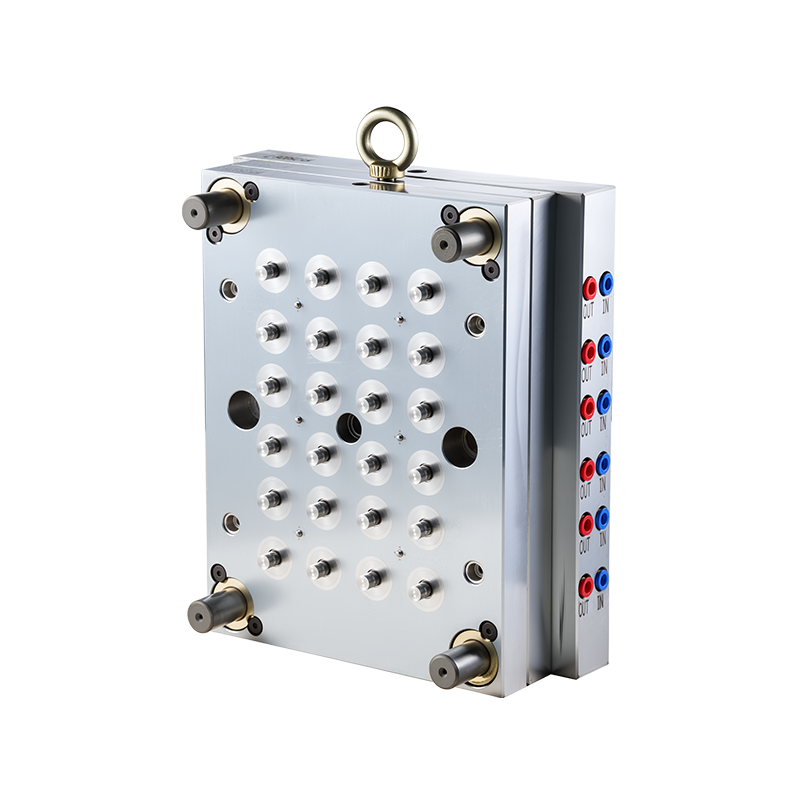
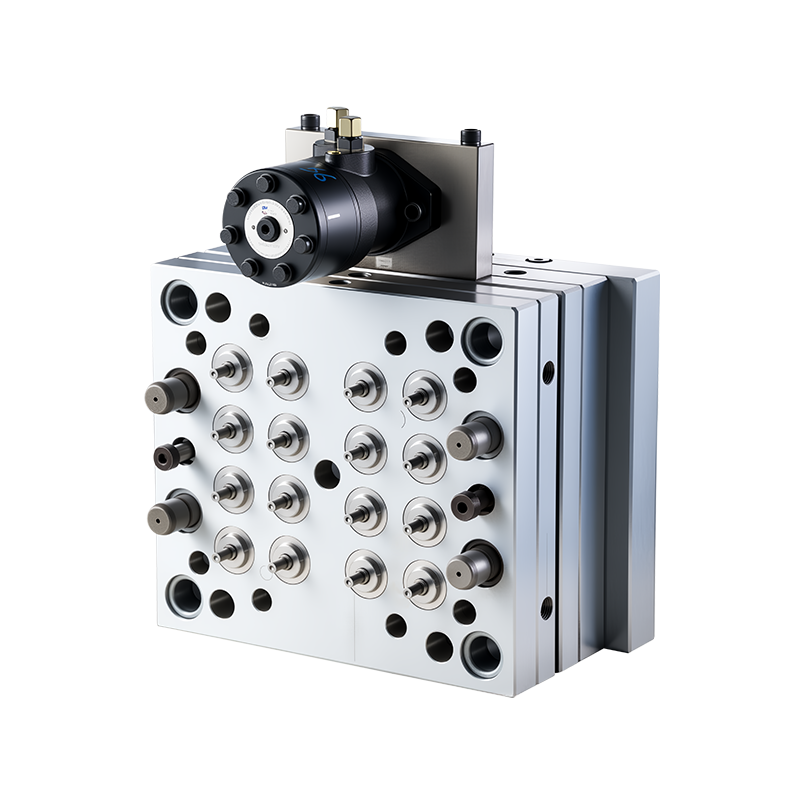
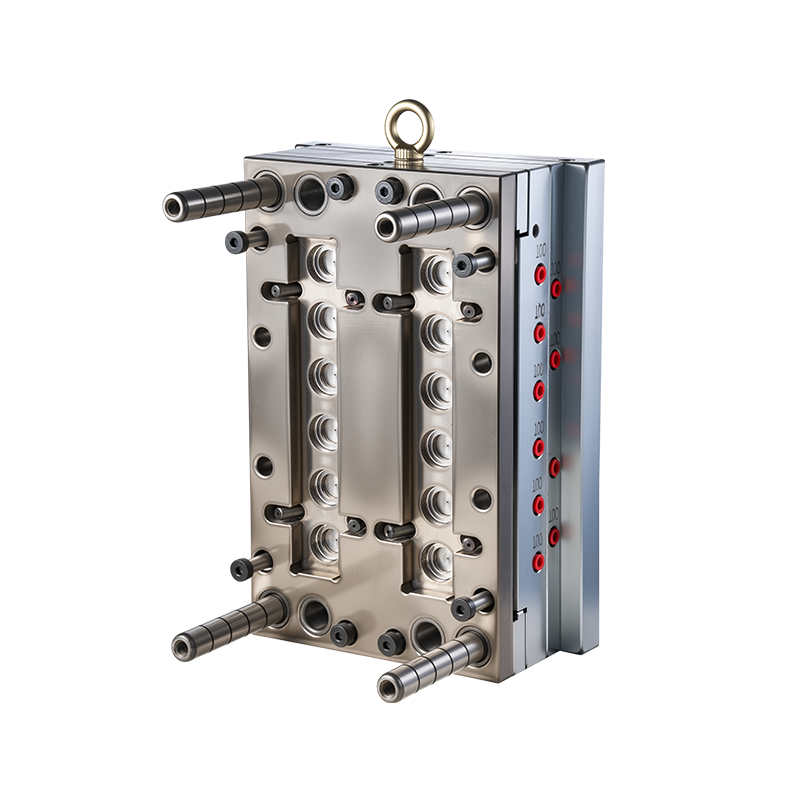
عربىA Bottle Cap Mold Factory plays a central role in creating the closures that seal bottles across industries. These factories focus on producing molds that shape plastic caps with precision, ensuring each cap fits securely while maintaining durability. The manufacturing process involves designing and machining molds to exact specifications, taking into account the type of plastic, thread patterns, and functional features such as tamper-evident rings or child-resistant designs. The molds must be consistent in size and shape to allow mass production without defects.
Within the factory, multiple stages combine to transform raw materials into finished molds. Computer-aided design (CAD) software enables engineers to model cap designs accurately, simulating how plastic flows during injection molding. Precision CNC machines then shape the mold components, which are assembled and tested to confirm they produce uniform caps. Quality control is an ongoing process; minor imperfections in mold cavities can result in misaligned threads or weak seals. Therefore, careful inspection at every stage helps maintain high levels of consistency in production.
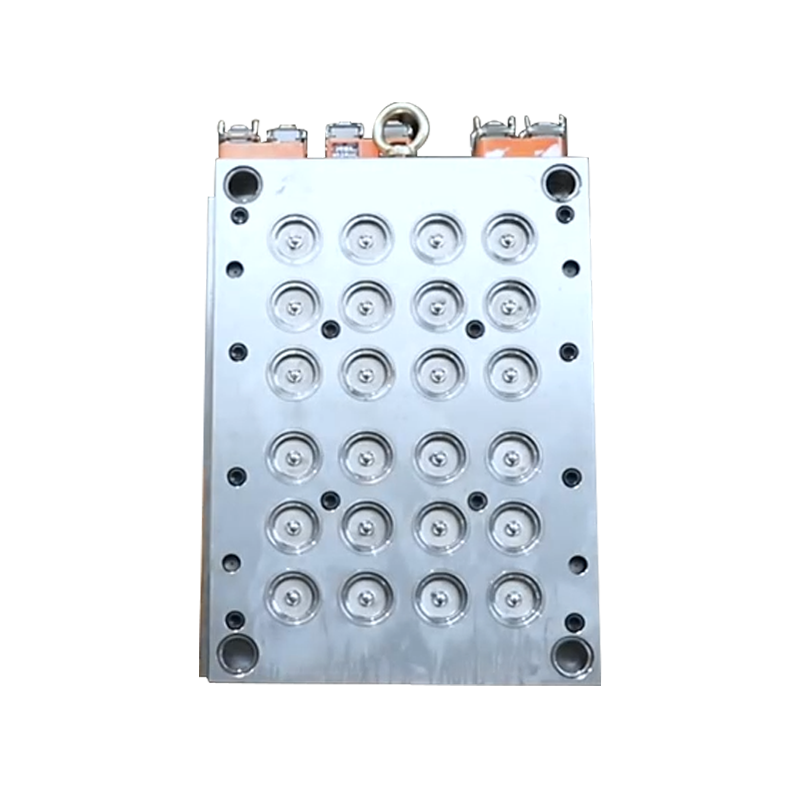
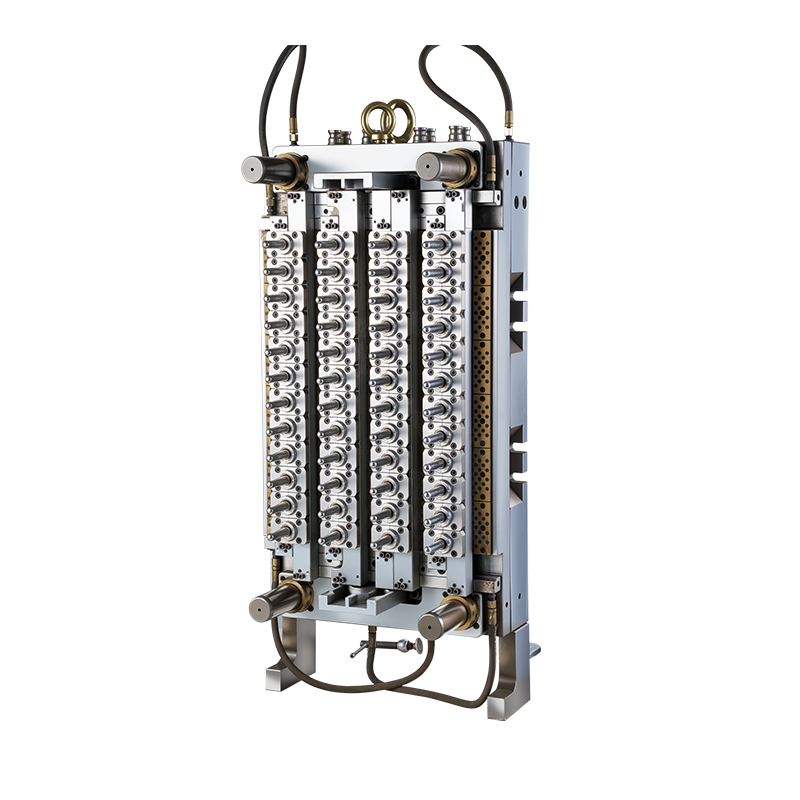
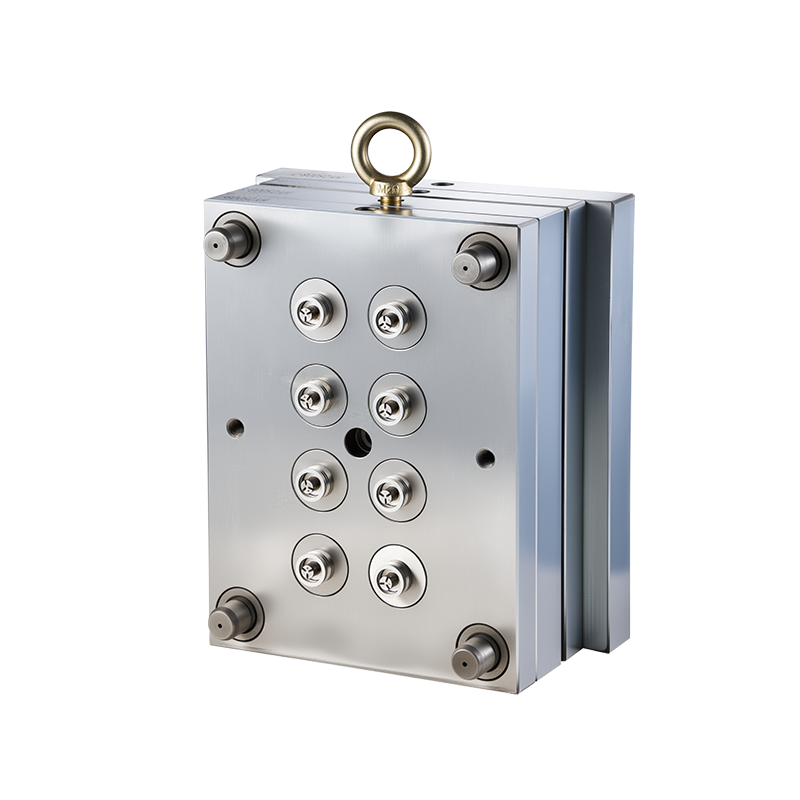
These factories often work closely with beverage, pharmaceutical, and cosmetic companies, providing molds that match the specifications of each client. Bottle Cap Mold Factories manage production volumes efficiently by using multi-cavity molds, which produce several caps in a single molding cycle. This approach reduces cycle time while maintaining uniformity across all caps. Some factories also incorporate modular mold designs that allow easy replacement of worn components, helping maintain production continuity without needing a complete mold replacement.
Material selection is another key aspect of mold design. Different plastics respond differently to heat and pressure, so the mold must account for shrinkage, expansion, and surface finish. Surface textures can be applied to molds to create caps with improved grip or brand-specific visual features. Engineers pay close attention to thread depth, diameter, and fit, which affects the sealing performance and usability of the cap. Accurate molds result in caps that not only fit securely but also operate smoothly during opening and closing.
Automation and monitoring tools play a significant role in modern Bottle Cap Mold Factories. Sensors track temperature, pressure, and material flow during injection molding, allowing operators to detect irregularities early. Data collected from production runs can guide adjustments to maintain consistency and reduce defects. Factories may also conduct routine sample testing of molded caps, checking for shape, fit, and surface finish. This ensures that end products meet both functional requirements and client specifications.
Bottle Cap Mold Factories provide support for a wide range of industries. Beverage companies rely on these factories to produce closures that maintain product freshness and prevent leaks. Pharmaceutical brands depend on precisely molded caps to meet safety regulations and protect sensitive contents. Cosmetic companies require visually consistent and ergonomic closures for user convenience.
Bottle Cap Mold Factories often produce specialized caps with features such as flip-tops, sports caps, or child-resistant mechanisms. Each design presents unique challenges for mold creation, requiring careful planning and precise machining. Despite these variations, the core principles of mold manufacturing—accuracy, consistency, and quality control—remain essential. Skilled engineers and technicians oversee the production process, ensuring molds deliver the desired performance and durability over thousands of cycles.