

 English
 русский
 Español
 عربى
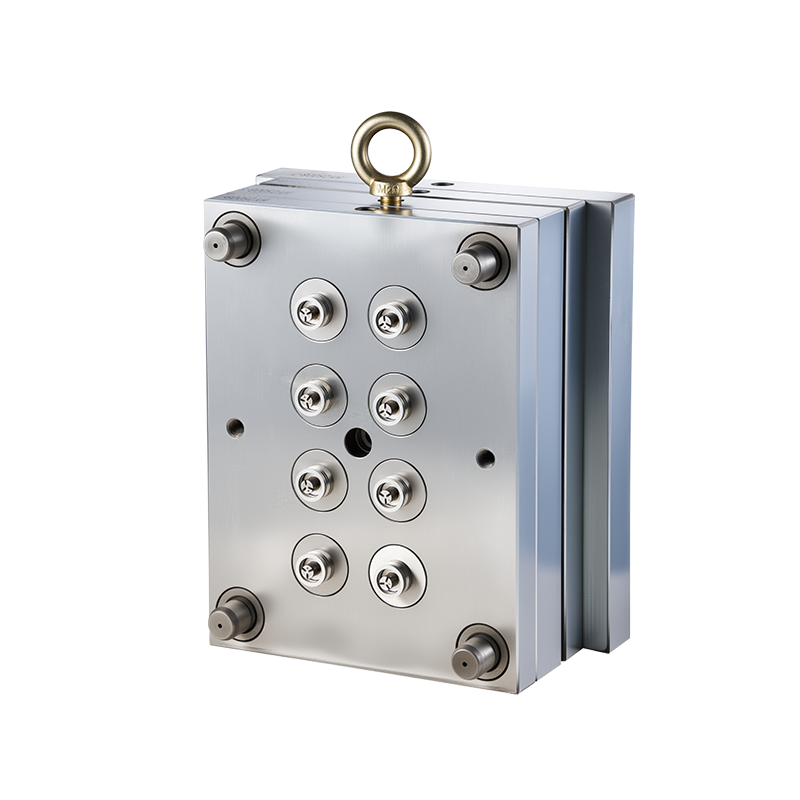
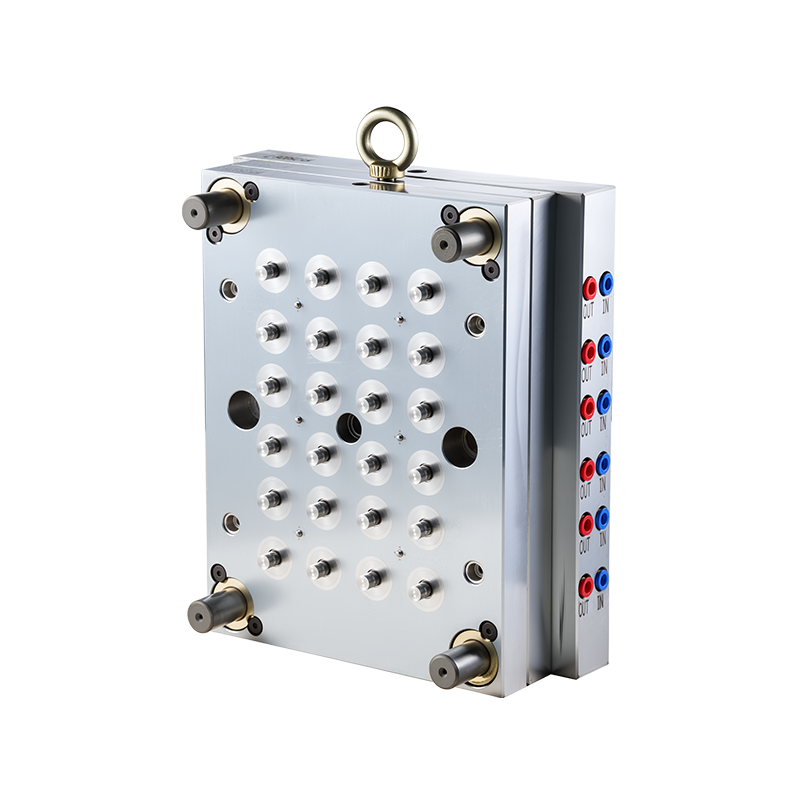
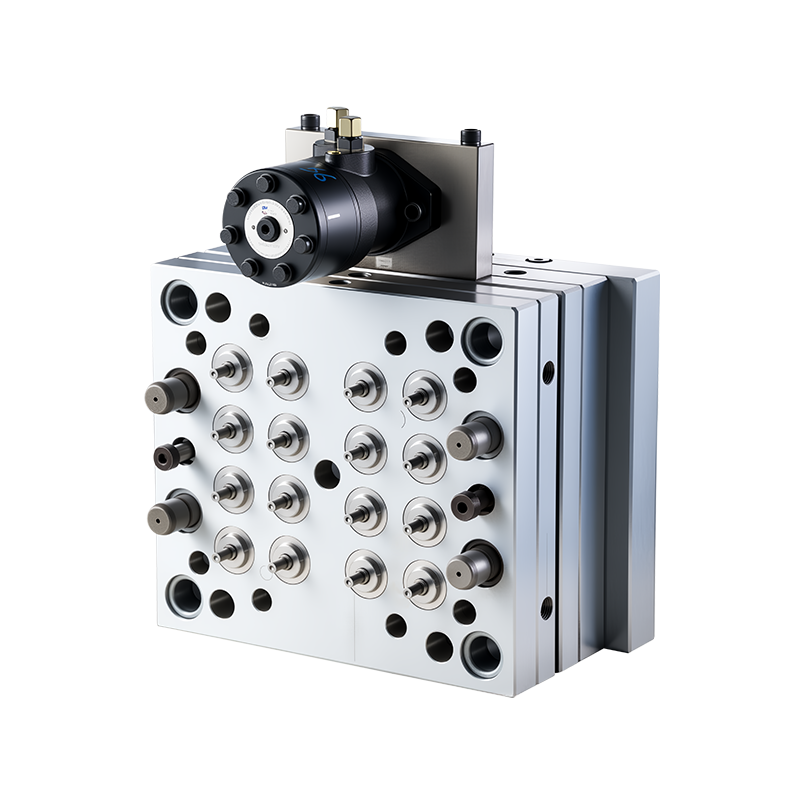
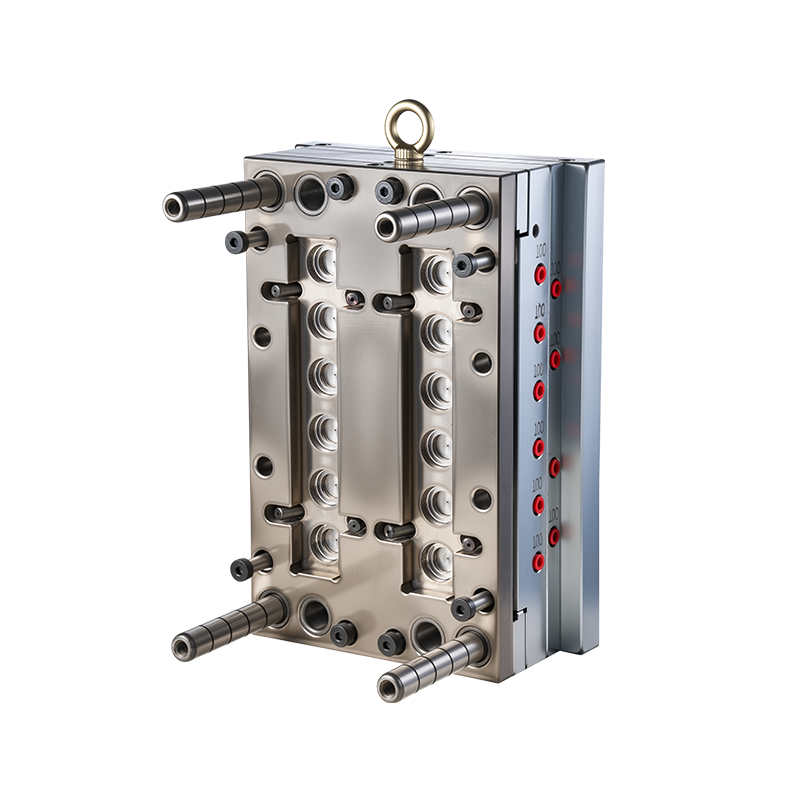
عربىHigh-speed precision plastic injection moulds play an important role in modern manufacturing, particularly in industries that require consistent dimensional accuracy, stable quality, and efficient production cycles. These moulds are designed to support fast injection speeds while maintaining precise control over part geometry, surface finish, and material behavior.
Role of High-Speed Precision Moulds in Production
Plastic injection moulding is a core manufacturing process for the mass production of plastic components. The mould itself directly influences product quality, cycle time, material utilisation, and overall production stability.
High-speed precision moulds are typically developed to support:
- Faster injection and cooling cycles
- Dimensional consistency across large production volumes
- Reduced material waste and rework rates
- Stable operation under continuous manufacturing conditions
By focusing on precise cavity design and balanced runner systems, these moulds help ensure that molten plastic fills evenly and solidifies in a controlled manner, even during high-frequency production.
Structural and Design Characteristics
Professional high-speed precision injection moulds are characterised by carefully engineered structures that support accuracy and durability. While specific configurations vary depending on the application, common design considerations include:
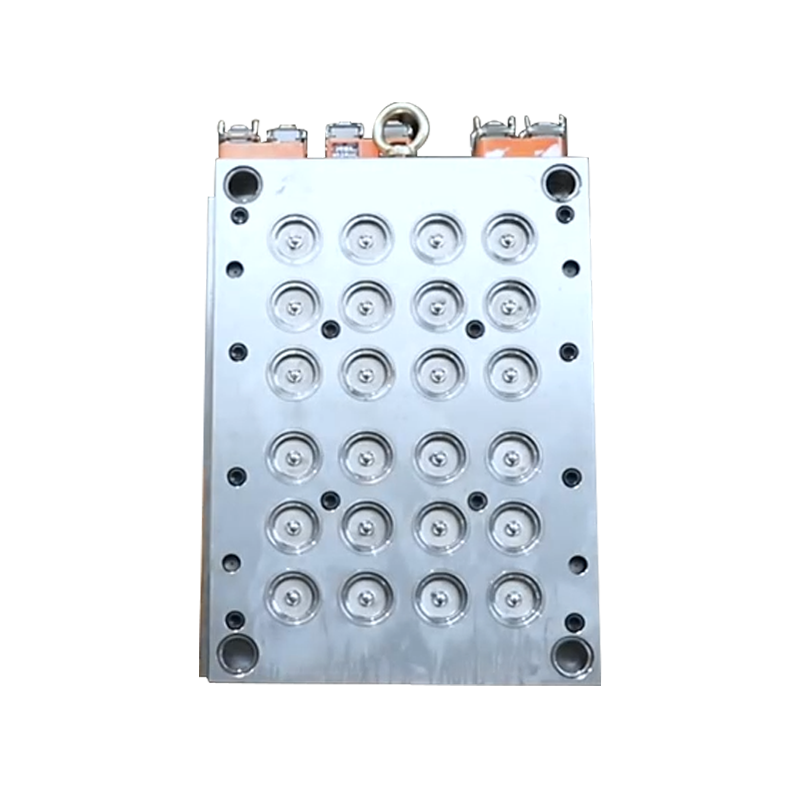
- Multi-cavity or family mould layouts to improve output efficiency
- Optimised gate and runner systems to support uniform material flow
- Reinforced mould bases to maintain alignment under repeated cycles
- Replaceable inserts to allow easier maintenance and adjustments
Attention is also given to venting and parting line design, which helps reduce defects such as trapped air, burn marks, or incomplete filling.
Material Selection and Machining Processes
Material choice plays a significant role in mould performance and service life. Mould components are commonly manufactured using tool steels or corrosion-resistant alloys selected according to production volume, resin type, and operating conditions.
Advanced machining techniques are often applied, including:
- CNC milling for structural components
- Electrical discharge machining for complex cavity details
- Precision grinding for mating surfaces
- Polishing or texturing to meet surface finish requirements
These processes support consistent cavity dimensions and help ensure smooth demoulding during high-speed operation.
Thermal Management and Cycle Efficiency
Efficient thermal control is a key factor in achieving stable high-speed moulding. Precision moulds typically incorporate well-planned cooling channels positioned close to the cavity surface. This design supports even heat distribution and controlled cooling rates.
Effective thermal management contributes to:
- Shorter cycle times
- Reduced internal stress in moulded parts
- Improved dimensional stability
- More predictable production outcomes
In some applications, additional temperature control systems may be integrated to accommodate materials with narrow processing windows.
Application Areas Across Industries
High-speed precision plastic injection moulds are used across a wide range of industries where accuracy and productivity are both required. Typical application areas include:
- Automotive components: connectors, housings, clips, and functional interior parts
- Electronics: precision enclosures, structural frames, and small functional components
- Medical products: disposable housings, diagnostic components, and device parts
- Packaging: thin-wall containers, closures, and functional packaging elements
- Industrial products: control components, protective covers, and mechanical parts
Each application places different demands on mould design, material compatibility, and production stability.
Quality Control and Process Stability
To support consistent production, professional mould development emphasises quality control throughout the design and manufacturing stages. This includes dimensional inspection, trial moulding, and performance evaluation under simulated production conditions.
Common quality control practices include:
- Verification of cavity dimensions and tolerances
- Flow analysis and trial sampling
- Inspection of surface finish and part consistency
- Evaluation of mould operation over extended cycles
These measures help ensure that the mould performs reliably when integrated into automated production lines.
High-Speed Injection Mould with Controlled Dimensional Accuracy
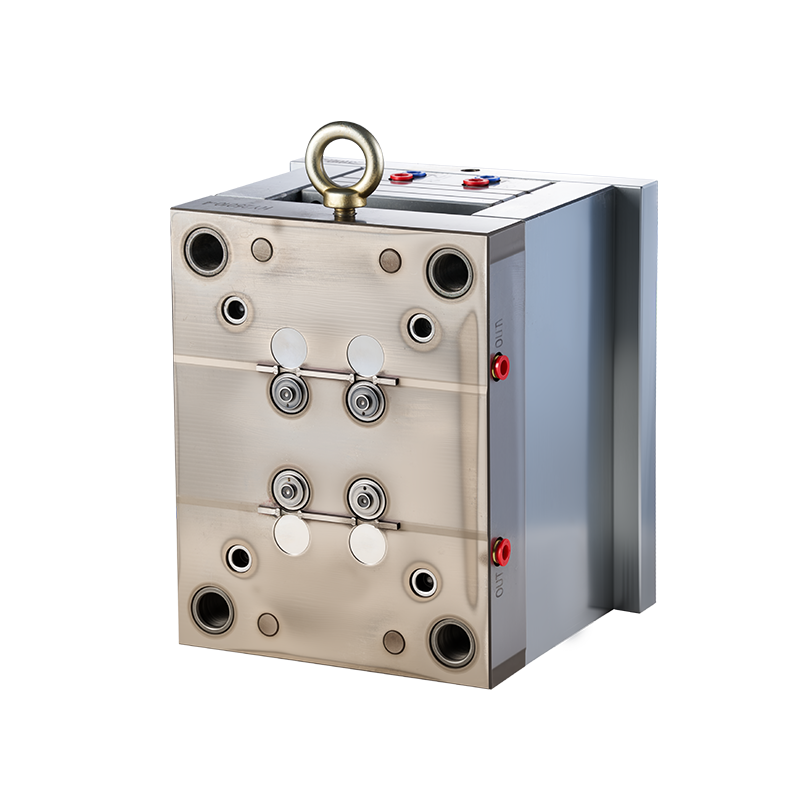
High-speed precision plastic injection moulds are widely used in manufacturing environments where production efficiency and dimensional control are both required. These moulds are designed to support rapid injection cycles while maintaining stable cavity geometry, consistent wall thickness, and controlled surface quality. Achieving this balance depends on careful coordination between mould structure, material behaviour, and process parameters.
A key aspect of high-speed precision moulding is the management of material flow. Runner layout, gate position, and venting must be arranged to allow molten plastic to fill the cavity evenly at higher speeds without causing defects such as flow marks or internal stress. At the same time, mould rigidity is essential to reduce deformation under repeated clamping and injection pressure.
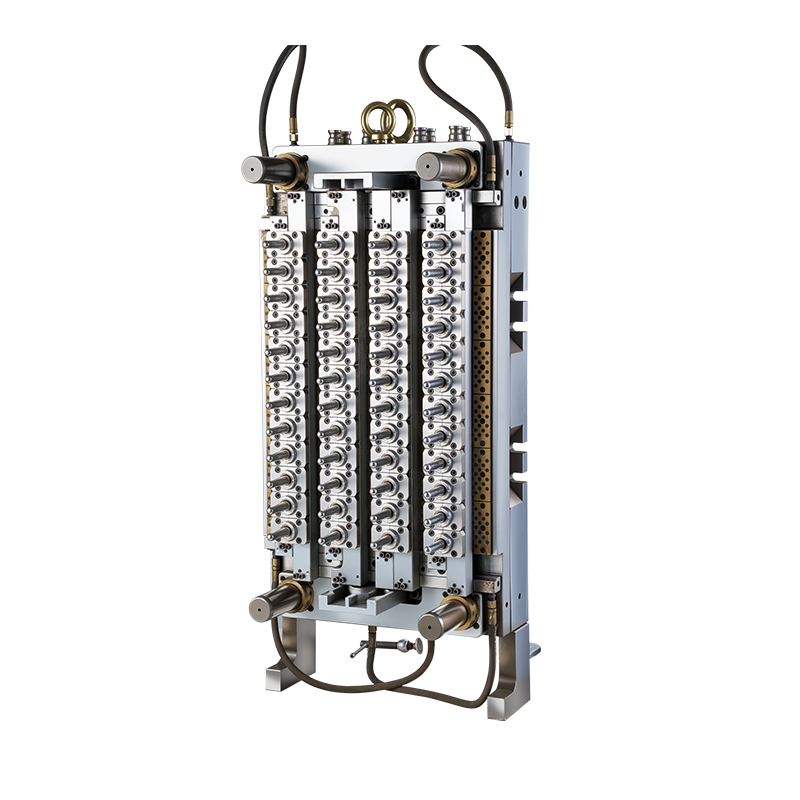
Thermal control also plays an important role. Well-designed cooling channels help maintain uniform mould temperature, which supports predictable shrinkage and stable part dimensions. This is especially important for multi-cavity moulds, where temperature variation can lead to inconsistent part quality.
From a manufacturing perspective, precision machining and controlled assembly are necessary to ensure smooth operation over long production periods. Regular inspection and maintenance further help preserve accuracy and extend service life. Through thoughtful design and process control, high-speed precision plastic injection moulds support efficient and reliable production across many industrial applications.
Maintenance and Service Considerations
Long-term usability is an important consideration for injection moulds used in continuous production. Precision moulds are often designed with maintenance accessibility in mind, allowing for routine inspection, cleaning, and component replacement.
Maintenance-related features may include:
- Modular insert design
- Standardised wear components
- Accessible cooling and venting channels
- Clear documentation for service procedures
Proper maintenance planning can support stable production output and reduce unexpected downtime.
Recommended Manufacturing Partner
When selecting a supplier for high-speed precision plastic injection moulds, experience, engineering capability, and process control are important evaluation factors. A manufacturer with stable production systems and practical mould design experience can support consistent quality and long-term cooperation.
Company Overview
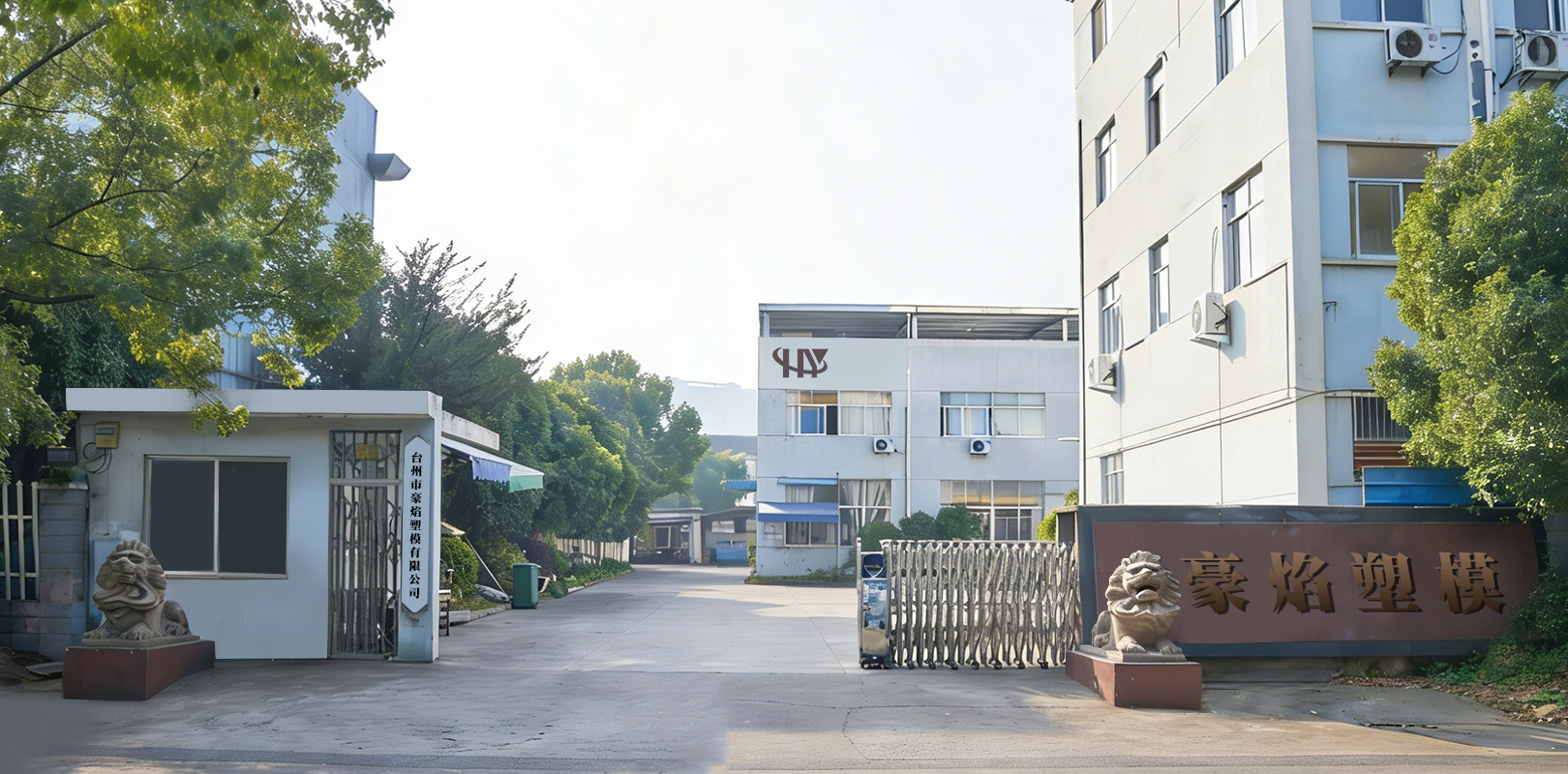
Taizhou Haoyan Plastic Mould Co., Ltd. is a manufacturing enterprise engaged in the design and production of plastic injection moulds. The company focuses on providing mould solutions for components that require controlled tolerances, stable structure, and suitability for high-speed injection molding processes.
With a structured workflow covering design, machining, assembly, and testing, the company supports projects from initial concept development through to trial production and delivery.
Technical Capabilities
The company’s technical work is centered on practical mould engineering and manufacturability.
Key capabilities include:
- Design of multi-cavity and single-cavity injection moulds
- Development of moulds suitable for high-speed injection cycles
- Consideration of material flow balance and cooling efficiency
- Support for parts with defined dimensional and surface requirements
Engineering work is typically based on customer drawings or samples, with design adjustments made to support molding stability and production efficiency.
Manufacturing and Process Control
Manufacturing processes emphasize dimensional accuracy and structural consistency.
Production-related features include:
- CNC machining for cavity, core, and mould base components
- EDM processing for detailed or complex features
- Controlled assembly procedures to ensure alignment and movement accuracy
- Trial molding to verify mold performance before shipment
Process inspections are carried out at different stages to help reduce deviation and ensure that moulds meet agreed technical specifications.
Application Experience
The haoyan plastic mould has experience supporting mould projects used in various industrial fields.
Typical application areas include:
- Plastic housings and functional components
- Electrical and industrial plastic parts
- Consumer product components
- Customized plastic parts for equipment and assemblies
These applications often require moulds capable of maintaining stable performance under repeated injection cycles.