

 English
 русский
 Español
 عربى
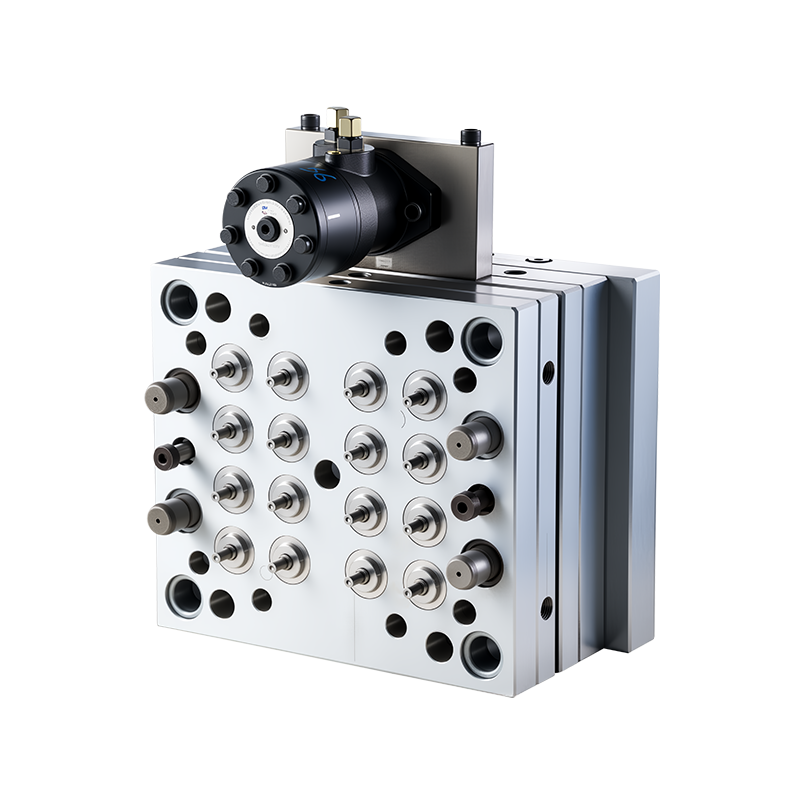
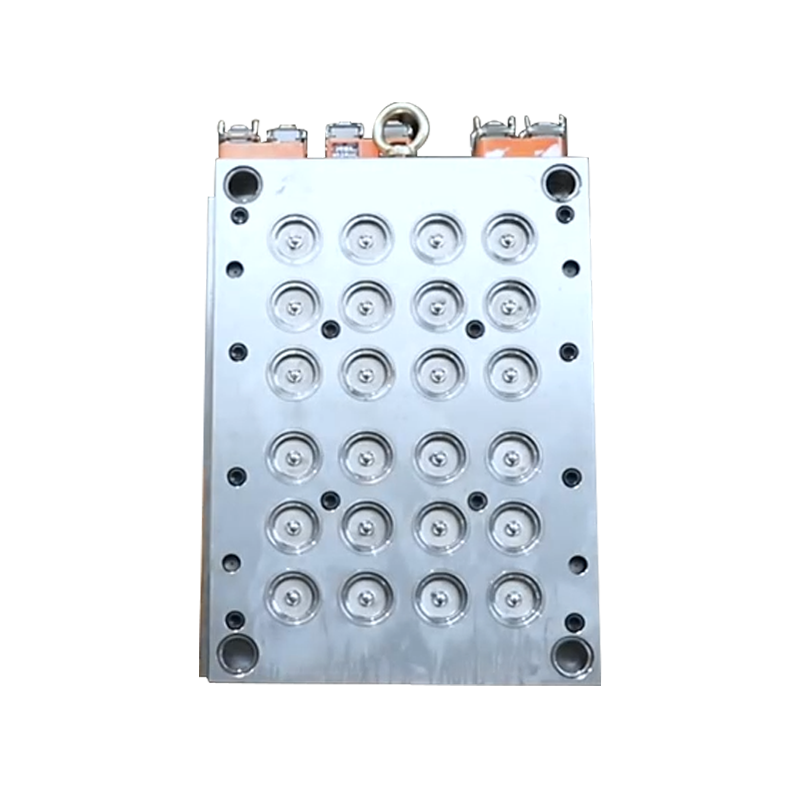
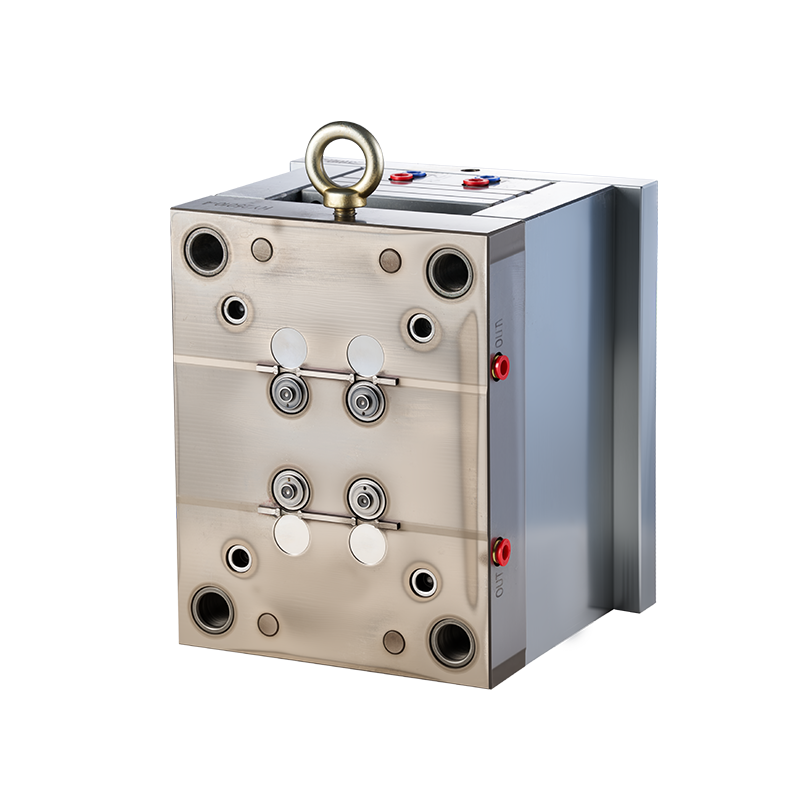
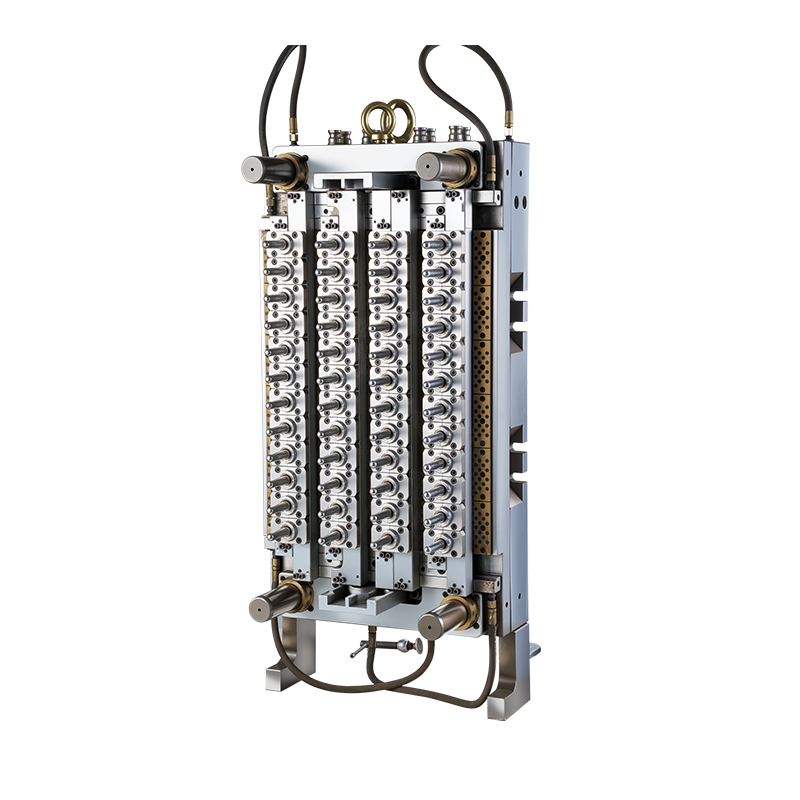
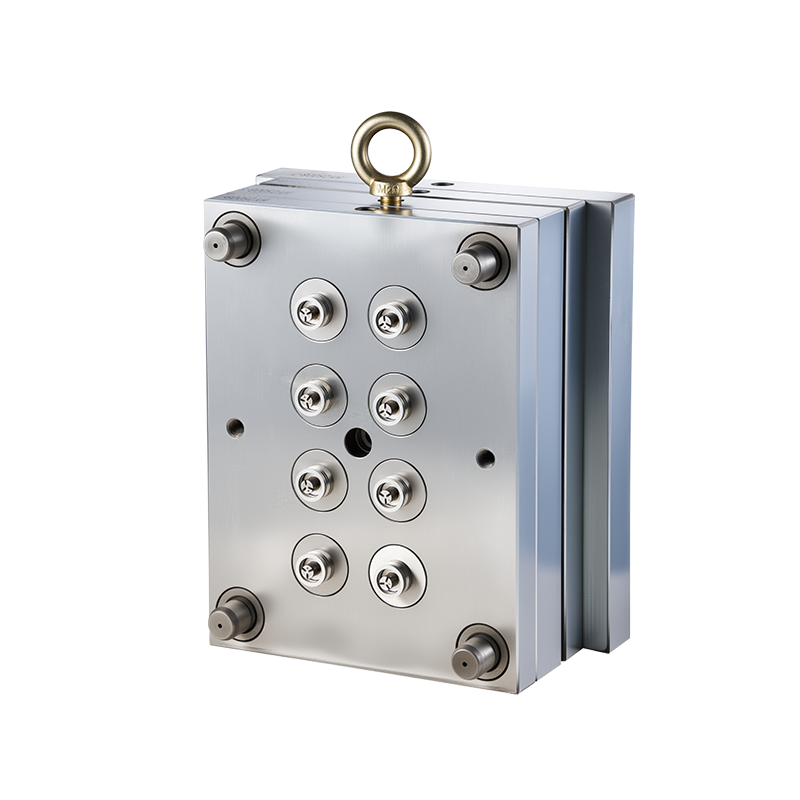
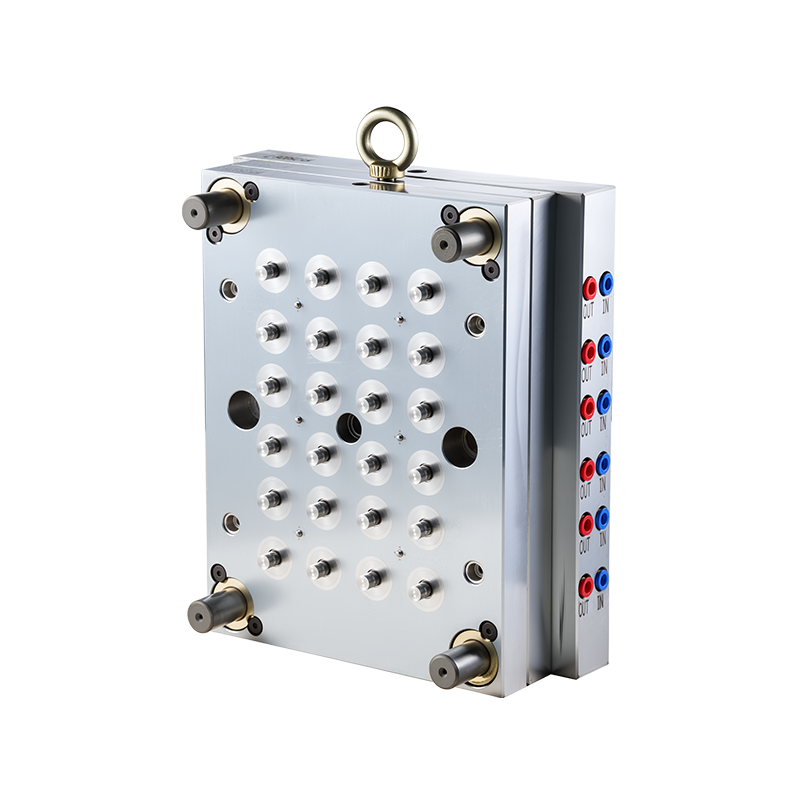
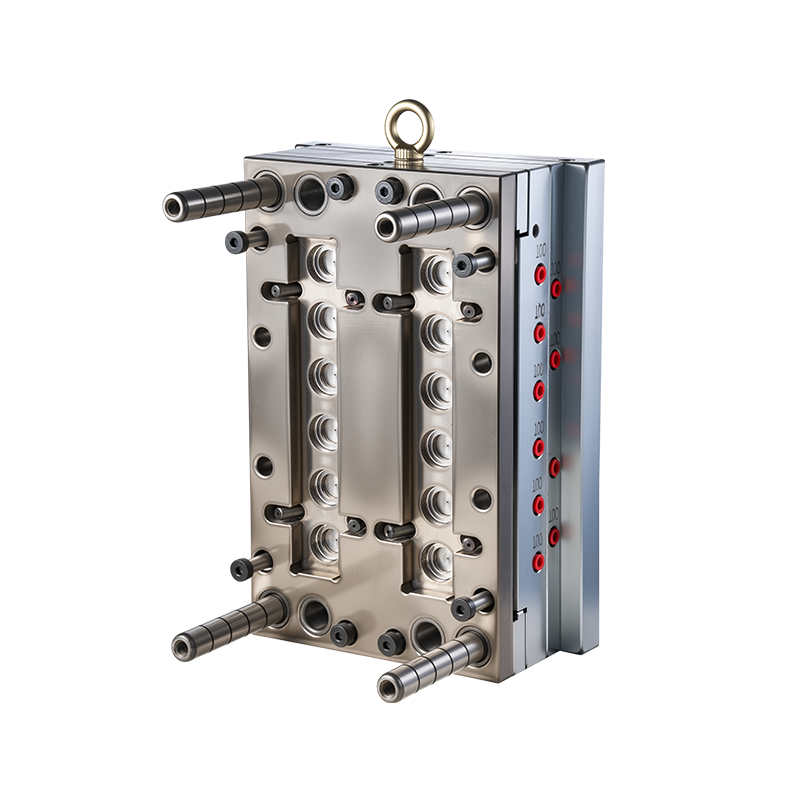
عربىThe laboratory wear-resistant cold runner plastic bottle cap mold is an injection molding tool specifically designed for laboratory and small-batch production. It features a stable structure, high wear resistance, and controllable dimensional accuracy. The mold utilizes a cold runner design, which helps to evenly guide the molten plastic into the mold cavity, reducing material waste and maintaining the consistency of the molded parts. The mold material is hardened and surface-treated to extend its service life and improve corrosion resistance. It is also equipped with optimized cooling channels and ejection mechanisms to ensure a stable production process. Its main applications include the high-precision manufacturing of plastic bottle caps for laboratory reagent bottles, small pharmaceutical vials, and chemical sample containers.
The laboratory wear-resistant cold runner plastic bottle cap mold is a tool used in injection molding production. Its cold runner design ensures the even flow of molten plastic into the mold cavity, improving dimensional accuracy and surface quality. The mold material is wear-resistant and surface-treated, and equipped with cooling channels and ejection mechanisms, making it suitable for the production of laboratory reagent bottle caps and small pharmaceutical bottle caps.
Mold Structure Characteristics
The wear-resistant cold runner plastic bottle cap mold mainly consists of the mold cavity, core, runner system, cooling system, and ejection mechanism. The cold runner design is its core feature, using specialized runners to evenly introduce molten plastic from the injection molding machine's injection port into the mold cavity. This reduces the residence time of the plastic in the runners, preventing prolonged exposure to high temperatures and thus reducing the risk of thermal degradation.
Main structural components:
- Cavity and core: Determine the external dimensions and thread accuracy of the bottle cap
- Cold runner system: Controls the even distribution of plastic and reduces waste
- Ejection mechanism: Ensures smooth demolding of the finished product
- Cooling channels: Maintain uniform mold temperature and shorten the molding cycle
- Wear-resistant surface treatment: Extends mold service life and reduces maintenance frequency
The cold runner design can also reduce pressure loss and improve injection molding efficiency through reasonable runner diameter and guidance methods.
Material Selection and Wear-Resistant Treatment
The choice of mold material directly affects the service life and processing stability. Wear-resistant cold runner plastic bottle cap molds typically use high-hardness steel, which is heat-treated and surface-hardened to improve wear resistance and corrosion resistance. Simultaneously, to accommodate commonly used laboratory plastic materials (such as polypropylene and polyethylene), the mold needs to meet certain standards in terms of temperature resistance, anti-adhesion properties, and processing accuracy.
Material Treatment Methods:
- Quenching and tempering: Increases mold hardness and toughness
- Nitriding or hard chrome plating: Improves surface wear resistance
- Precision grinding and polishing: Ensures cavity dimensional accuracy and surface finish
Through reasonable material selection and surface treatment, wear on the mold during long-term production can be reduced, ensuring the consistency of injection molded parts.
Design Process and Injection Molding Control
Cold runner plastic bottle cap mold design focuses on flow balance, pressure control, and temperature management. Precise design can reduce defects, improve molding stability, and lower the scrap rate.
Design Key Points:
- Flow channel balance: Ensures uniform filling of each cavity in multi-cavity molds
- Temperature control: Maintains stable mold surface temperature through cooling channels
- Ejection and demolding optimization: Prevents product deformation or damage
- Thread and locking structure design: Ensures bottle cap sealing and assembly performance
In addition, modern design typically combines computer-aided design (CAD) and flow simulation (CAID/CAE) for optimization analysis, predicting potential defects during the injection molding process and adjusting the design in advance.
Application Areas
Wear-resistant cold runner plastic bottle cap molds have wide application value in laboratories and related production fields. They are not only used for the production of small laboratory consumables but also for the injection molding of specialized bottle caps in the pharmaceutical, chemical, and food packaging industries.
Main Application Scenarios:
- Laboratory consumables: Production of bottle caps for chemical reagent bottles and sample collection bottles
- Pharmaceutical packaging: Bottle caps and seals for small medicine bottles and syringes
- Food and beverage packaging: Small packaging bottle caps and leak-proof bottle caps
- Industrial special containers: Bottle caps for chemical storage tanks and testing containers
Wear-resistant cold runner molds provide a reliable molding solution for laboratories and small-batch production by reducing waste and improving production stability.
Production Efficiency and Quality Management
The design of cold runner molds not only affects product quality but also directly relates to production efficiency. Balanced flow channel layout and effective cooling systems can shorten cycle times while ensuring product dimensional accuracy. Quality Management Measures:
- Regular mold maintenance: Cleaning of runners and inspection of ejection mechanisms
- Injection molding process monitoring: Temperature, pressure, and flow rate monitoring
- Product inspection: Dimensional, tolerance, and thread accuracy testing
- Material selection and management: Ensuring stable performance of plastic raw materials
Through systematic production management, the consistency and reliability of injection molded parts can be ensured in long-term production.
Application and Design Features of Laboratory Wear-Resistant Cold Runner Plastic Bottle Cap Molds
Laboratory wear-resistant cold runner plastic bottle cap molds are specialized tools used in injection molding production, primarily for the processing of laboratory consumables and small batches of plastic bottle caps. This mold uses a cold runner system to evenly introduce molten plastic into the mold cavity, reducing material residence time and helping to control the dimensional accuracy and surface quality of the molded parts. Compared to traditional hot runner molds, the cold runner design offers certain advantages in material utilization and maintenance, making it particularly suitable for applications requiring production consistency.
The mold is typically made of high-hardness steel, with heat treatment and surface hardening processes to improve wear resistance while ensuring the stability of the mold cavity and core. Carefully designed cooling channels maintain uniform mold temperature, preventing dimensional deviations caused by localized overheating or insufficient cooling. The reasonable layout of the ejection mechanism ensures smooth demolding of the plastic bottle caps, reducing the likelihood of molding defects.
In practical applications, these molds are widely used in the production of caps for laboratory reagent bottles, pharmaceutical vials, and chemical sample bottles. Through reasonable mold design and process control, it is possible to ensure the sealing and assembly performance of the molded parts, as well as achieve stable and efficient production.
Laboratory wear-resistant cold runner plastic bottle cap molds play an important role in plastic injection molding production. Through reasonable structural design, wear-resistant material selection, precision machining, and process control, these molds can provide a stable and reliable molding solution for laboratories and related small-batch production.