

 English
 русский
 Español
 عربى
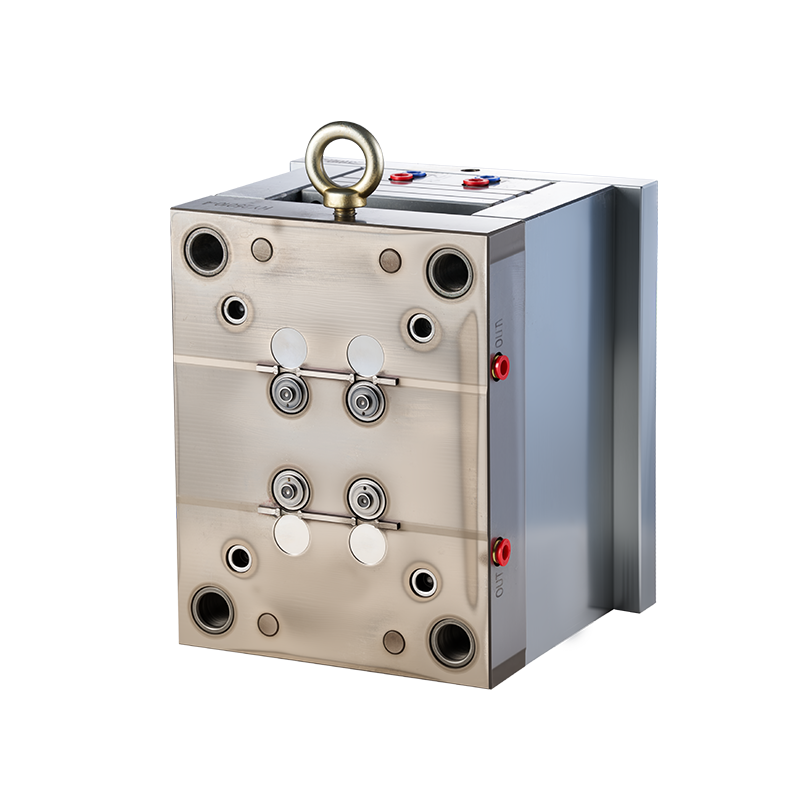
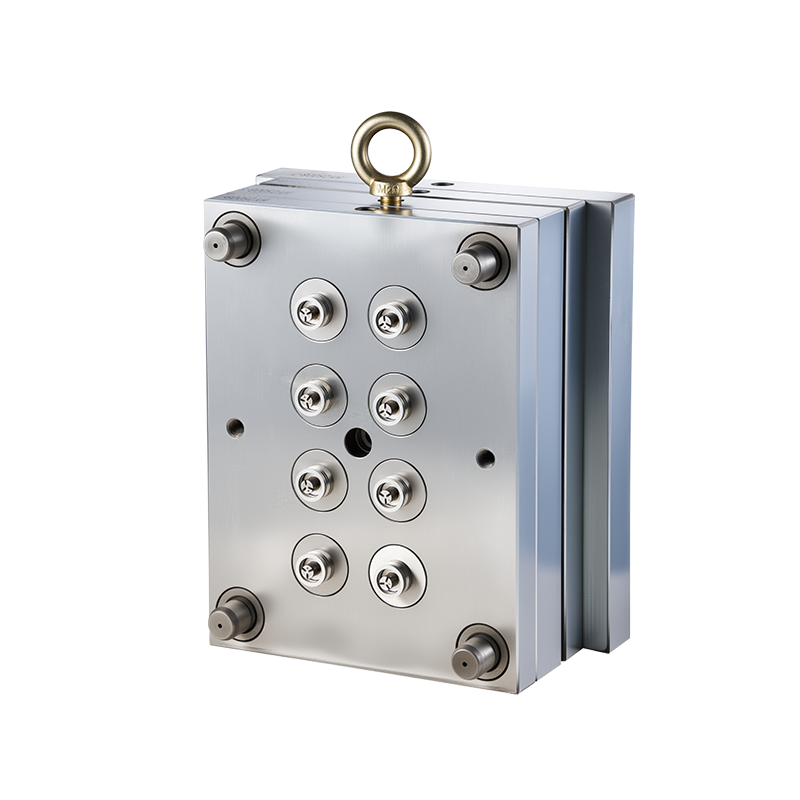
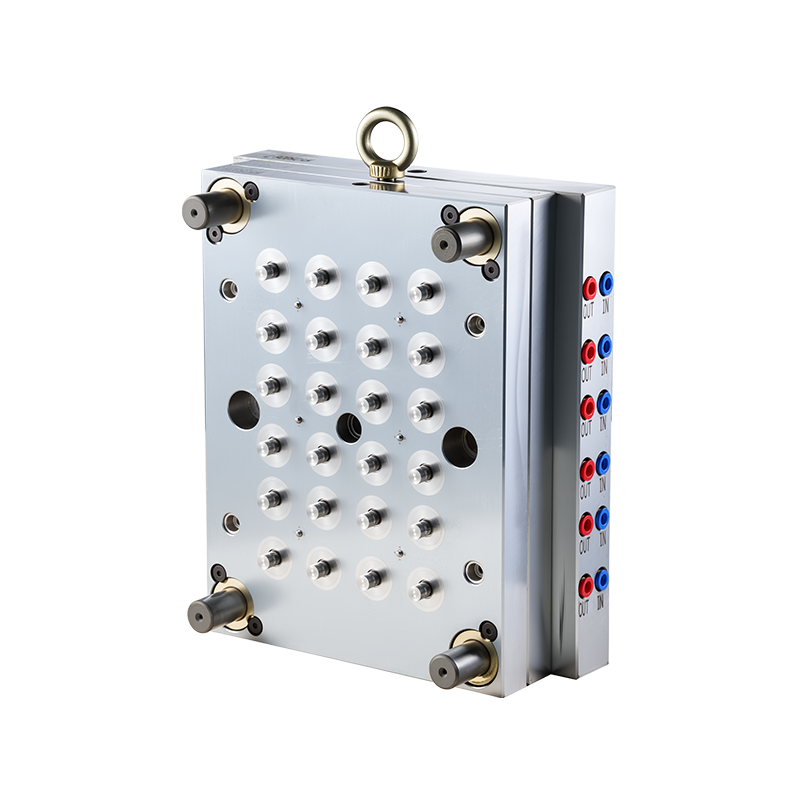
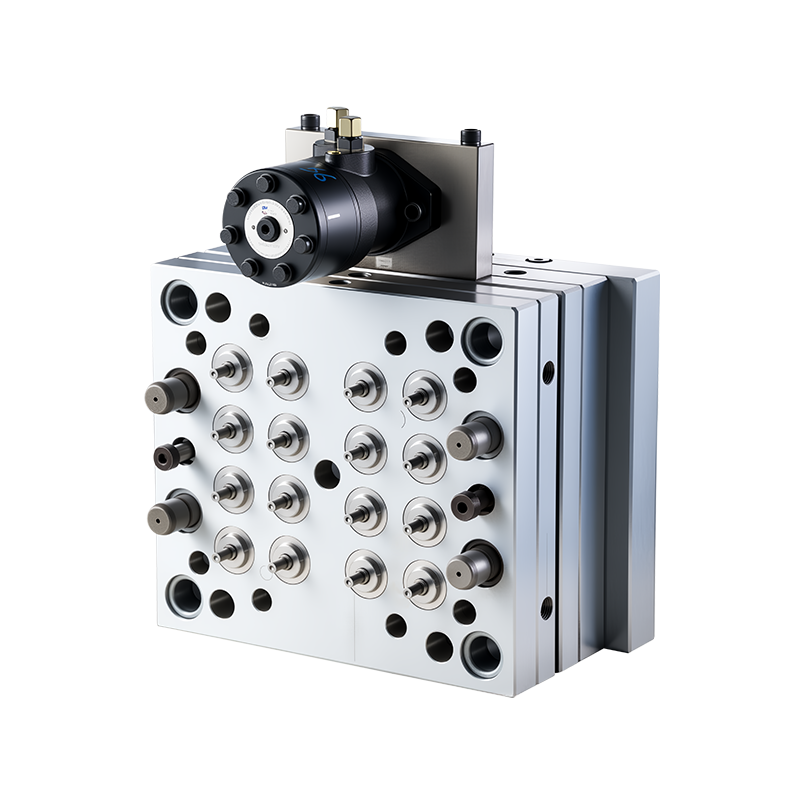
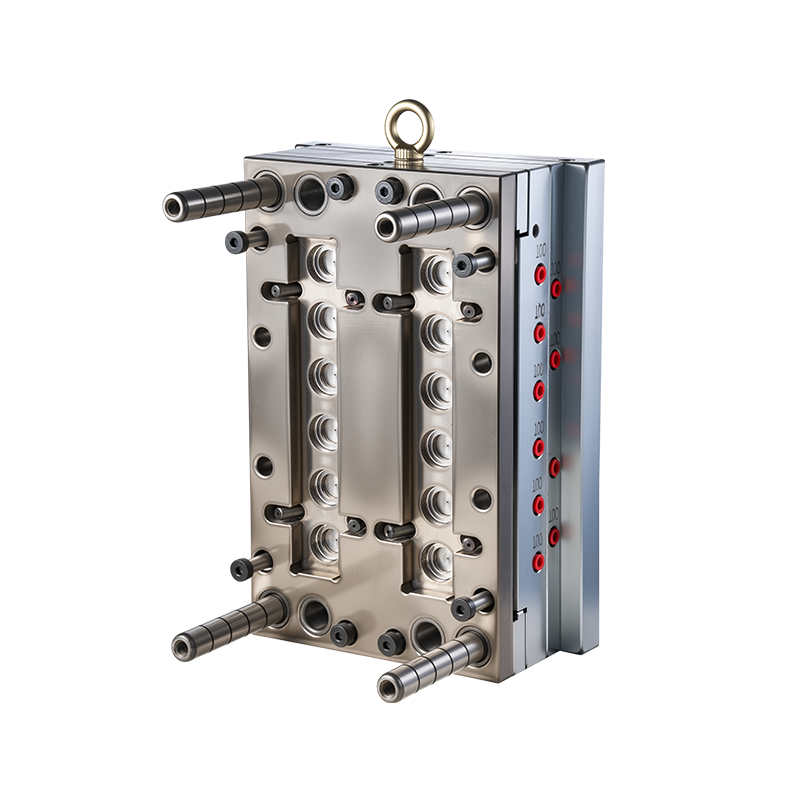
عربىAutomatic steel flip-top bottle cap injection molds are specialized molds used for high-precision injection molding production, suitable for the manufacture of bottle caps for consumer goods, pharmaceuticals, food, and chemical packaging. These molds utilize steel cavities and cores, ensuring wear resistance and dimensional stability, while also incorporating cooling channels and ejection mechanisms to ensure uniform molding and smooth demolding. The flip-top structure is precisely designed to create flexible hinges and reliable latches, enabling convenient opening and sealing of the bottle cap. Through reasonable runner layout and structural optimization, this mold supports automated production, ensuring consistent product quality and is suitable for small to medium batch and continuous production scenarios.
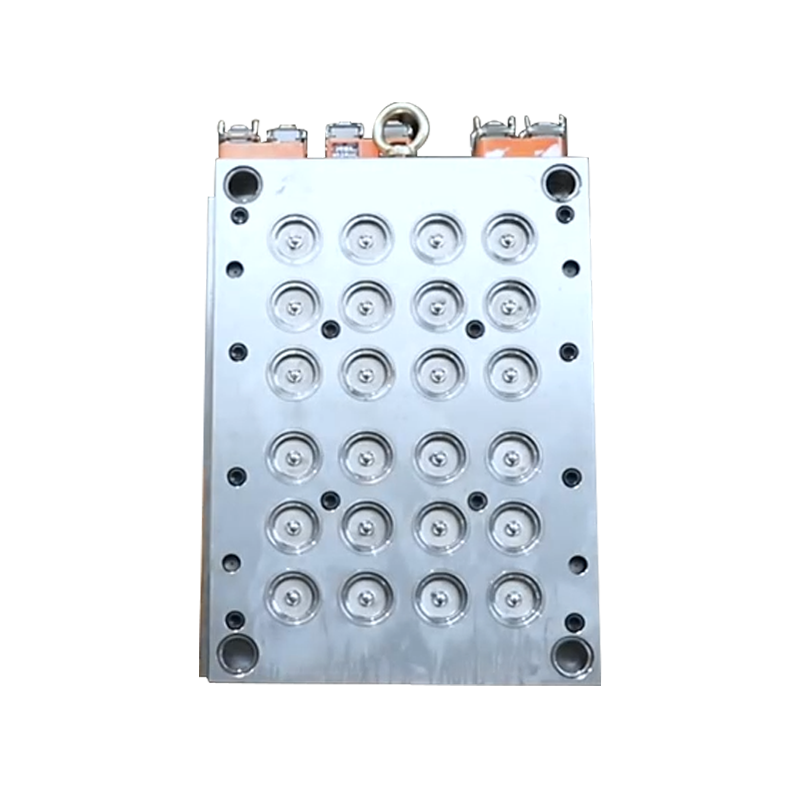
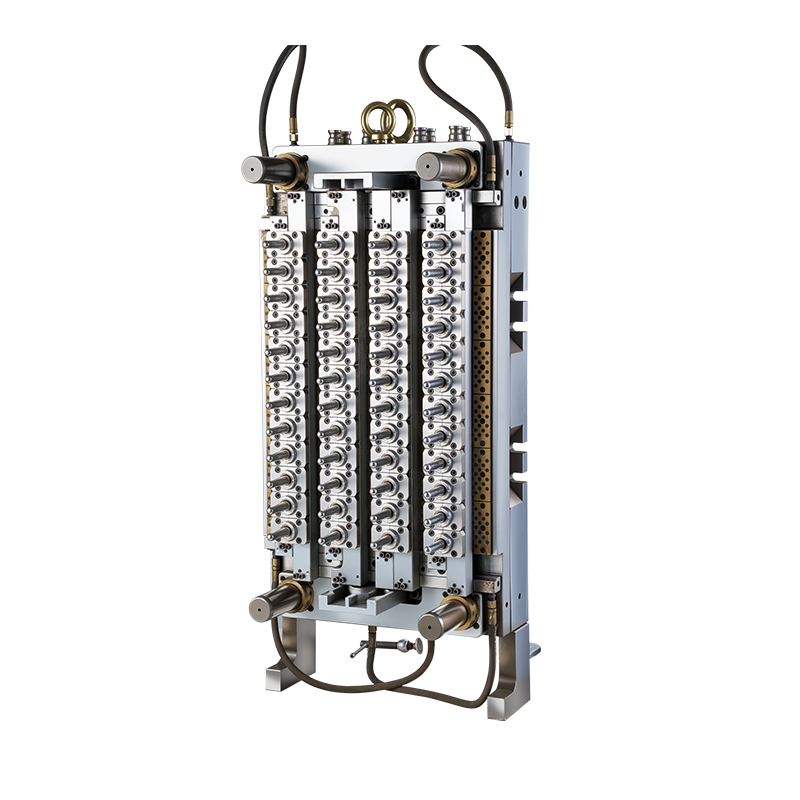
The automatic steel flip-top bottle cap injection mold is a tool specifically designed to improve production efficiency and injection molding stability, focusing on process optimization and multi-cavity molding capabilities. Through reasonable cooling channel and runner design, the mold ensures uniform flow of molten plastic in the cavity, reducing defects. The mold structure includes a flip-top hinge, latch, and ejection system, supporting continuous operation of automated injection molding machines. Its steel material and surface hardening treatment improve mold durability and maintain dimensional consistency during long-term production. This mold is suitable for various packaging bottle caps, meeting the requirements of rapid production and repeatability, while also facilitating subsequent maintenance and cavity replacement.
Mold Structure Characteristics
The core structure of the automatic steel flip-top bottle cap injection mold includes the cavity, core, runner system, flip-top mechanism, ejection system, and cooling system. The mold is precisely designed to ensure that the molten plastic uniformly and stably fills the cavity, forming bottle caps that meet dimensional and functional requirements.
Core Component Introduction:
- Cavity and Core: Determine the geometric shape and thread accuracy of the bottle cap body and flip-top portion.
- Runner System: Uses a reasonable layout to ensure uniform distribution of molten plastic and reduce residual stress.
- Flip-top Mechanism: Forms the flip-top hinge and latch structure during the molding process.
- Ejection System: Ensures smooth demolding of the finished product, avoiding deformation or damage.
- Cooling System: Uniformly controls the mold temperature, improving production stability.
The overall mold design needs to balance automated operation, durability, and multi-cavity simultaneous molding capabilities to meet the demands of large-scale production.
Material Selection and Wear Resistance
The selection of mold materials is fundamental to ensuring long-term use and the quality of injection-molded parts. Automatic steel flip-top bottle cap molds typically use high-strength steel, with heat treatment and surface hardening processes to improve wear resistance and corrosion resistance.
Material Characteristics:
- High-hardness steel: Ensures wear resistance of the cavity and core
- Heat treatment process: Increases toughness and structural stability
- Surface hardening treatment: Improves anti-adhesion and corrosion resistance
- Processing precision control: Guarantees the accuracy of threads, hinges, and locking structures
These measures help maintain dimensional consistency during long-term injection molding, reduce maintenance frequency, and extend mold life.
Design Process and Structural Optimization
The design of flip-top bottle cap injection molds focuses on flow balance, hinge structure formation, and smooth demolding. A reasonable design can effectively reduce defects such as warping, shrinkage, or surface imperfections.
Design Key Points:
- Runner design: Multi-cavity molds require balanced injection pressure in each cavity
- Hinge and locking structure: Ensures flip-top flexibility and sealing
- Cooling channel layout: Maintains uniform mold temperature and avoids local overheating
- Ejection system optimization: Ensures smooth demolding of the flip-top and bottle cap body
Modern design typically combines computer-aided design (CAD) and injection molding flow simulation (CAE) to predict potential problems and optimize the structure, improving production consistency and efficiency.
Automated Operation and Production Efficiency
Automatic steel flip-top bottle cap molds, when used with injection molding machines, enable continuous production, reducing manual intervention and shortening production cycles. Multi-cavity designs allow for the simultaneous molding of multiple bottle caps, improving material utilization and production efficiency.
Automation Advantages:
- Continuous operation: Reduces manual intervention and improves production stability
- Multi-cavity molds: Mold multiple bottle caps at once, shortening production cycles
- Controllable process: Temperature, pressure, and injection speed can be automatically monitored
- Convenient maintenance: Modular design facilitates the replacement of cavities or repair of components
Through these measures, the mold can meet the requirements of small, medium, and large-scale production while maintaining product accuracy.
Application Areas
Automatic steel flip-top bottle cap molds are widely used in various industries. The flip-top design facilitates opening and sealing, meeting the packaging needs of daily consumer goods, pharmaceuticals, chemicals, and food and beverages. Main Application Scenarios:
- Consumer Goods Packaging: Personal care products, beverage bottles, condiment bottle caps
- Pharmaceutical Packaging: Safety sealing caps for small medicine bottles and reagent bottles
- Chemical and Laboratory Containers: Chemical reagent bottles and sample collection bottles
- Food Packaging: Easy-to-open condiment bottle caps and small liquid containers
These applications have specific requirements for the dimensional accuracy, smooth opening and closing, and sealing performance of bottle caps, making mold design and processing precision crucial.
Quality Control and Maintenance
During mold production and use, quality control and regular maintenance are key to ensuring production stability.
Quality Management Measures:
- Mold processing inspection: Dimensional accuracy testing of cavities, cores, hinges, and threads
- Injection molding process monitoring: Real-time monitoring of temperature, injection pressure, and flow rate
- Regular maintenance: Cleaning of runners, inspection of ejection mechanisms and flip-top hinges
- Material management: Maintaining stable plastic raw materials to avoid molding defects
Through systematic management, the service life of the mold can be extended, while ensuring the consistency of injection molded parts in long-term production.
Development Trends
With the development of plastic processing technology, the design and processing level of automatic steel flip-top bottle cap molds are constantly improving. Digital design, flow simulation, and modular and intelligent management are becoming future development directions.
Potential Development Directions:
- Optimized runner design: Reducing material waste and improving injection uniformity
- Digital simulation: Predicting mold defects in advance and reducing trial mold risks
- Modular structure: Facilitating quick replacement of cavities to adapt to different products
- Intelligent monitoring: Real-time monitoring of temperature and injection parameters to improve production controllability
These developments will help molds play a greater role in high-precision, automated production, while meeting the comprehensive needs of different industrial applications for product accuracy and production efficiency.
Automatic steel flip-top bottle cap injection molds are indispensable equipment in modern packaging production. Through reasonable structural design, wear-resistant material selection, precision processing, and process control, these molds can improve production efficiency and material utilization while ensuring the dimensional accuracy, sealing performance, and smooth opening and closing of bottle caps.