

 English
 русский
 Español
 عربى
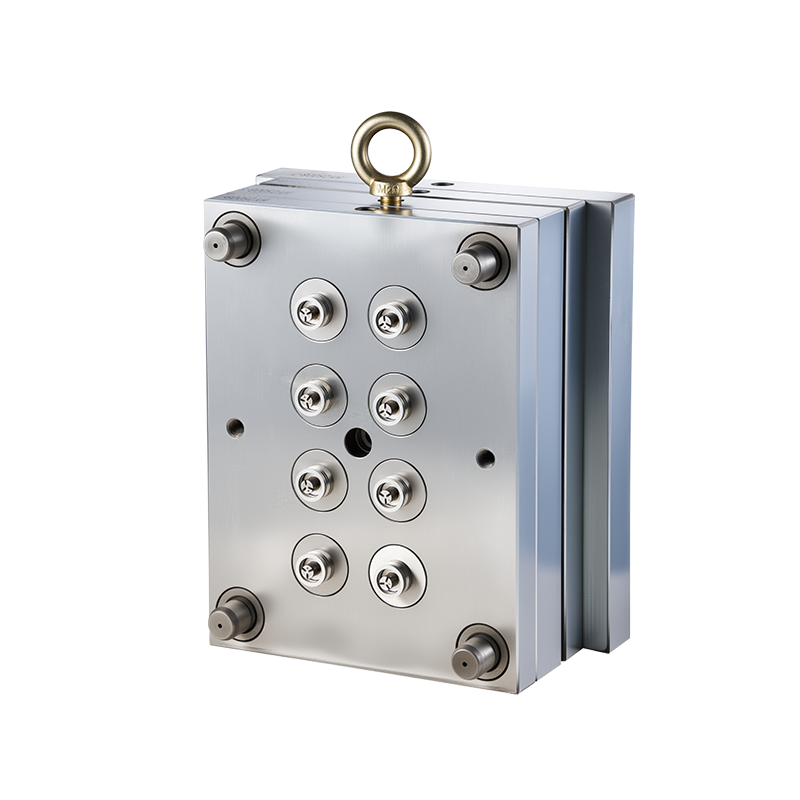
عربىIn recent years, with the continuous development of the plastics industry, the production efficiency and quality requirements for plastic cap products have gradually increased. Among them, the wear-resistant eight-cavity two-piece lid valve plastic cap mold has gradually become a key piece of equipment for relevant enterprises due to its reasonable design, high production efficiency, and strong durability. This type of mold has a wide range of applications in various plastic product manufacturing fields, from daily necessities to industrial packaging.
Technical Characteristics of the Wear-Resistant Eight-Cavity Two-Piece Design
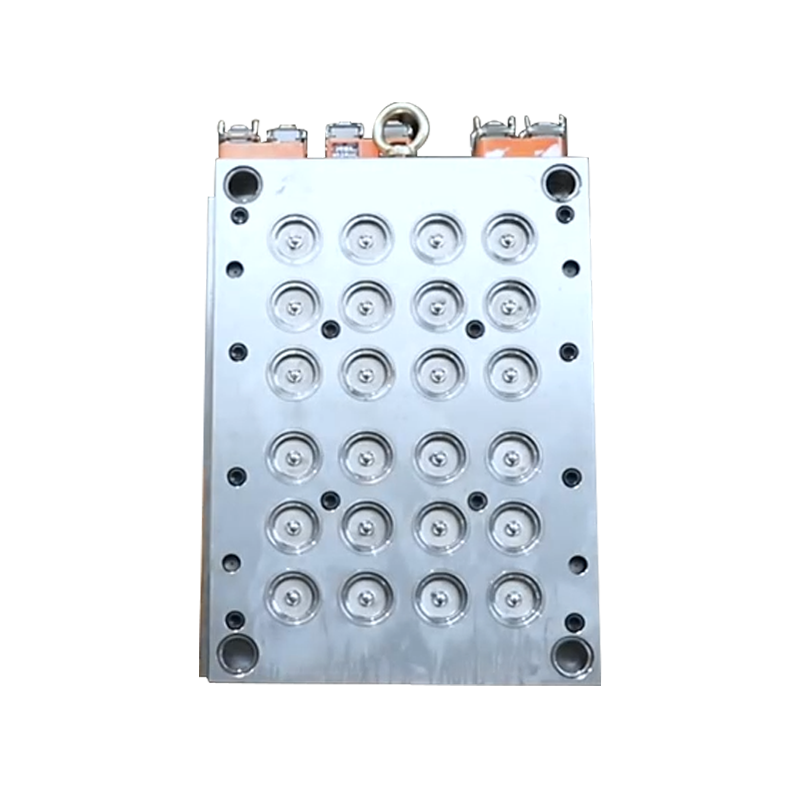
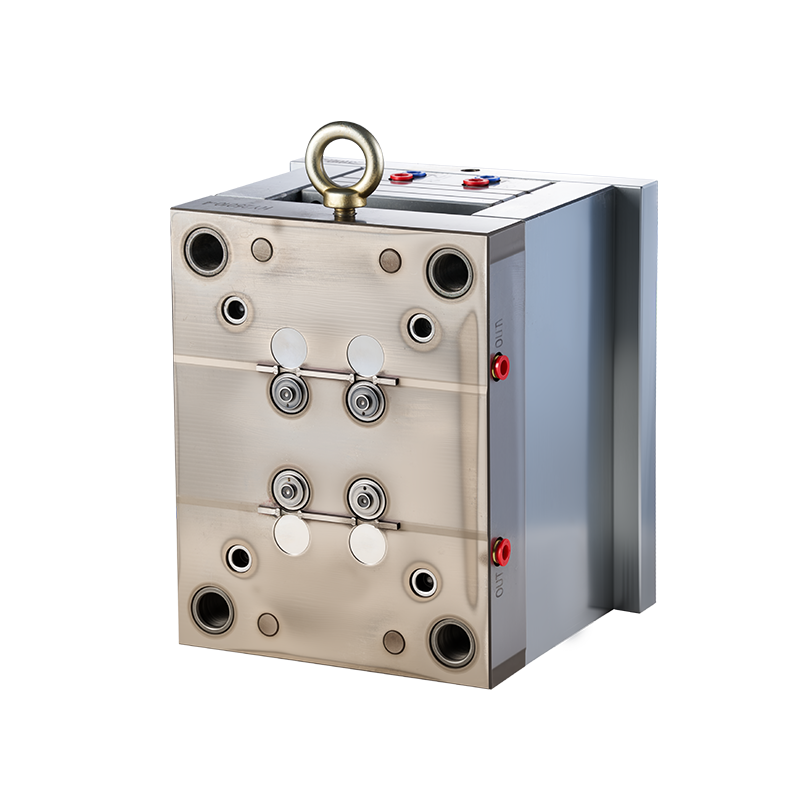
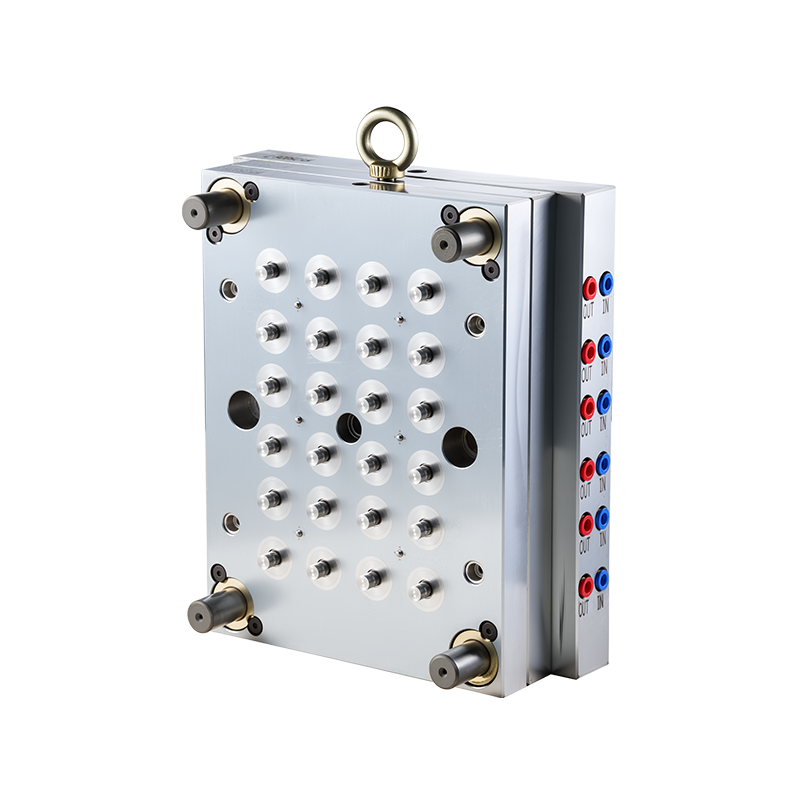
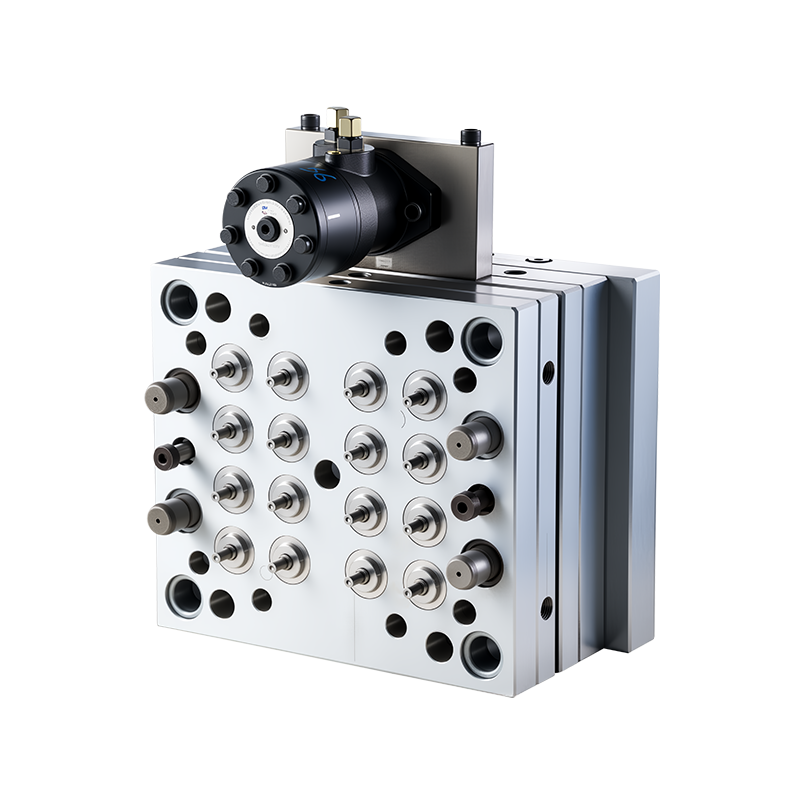
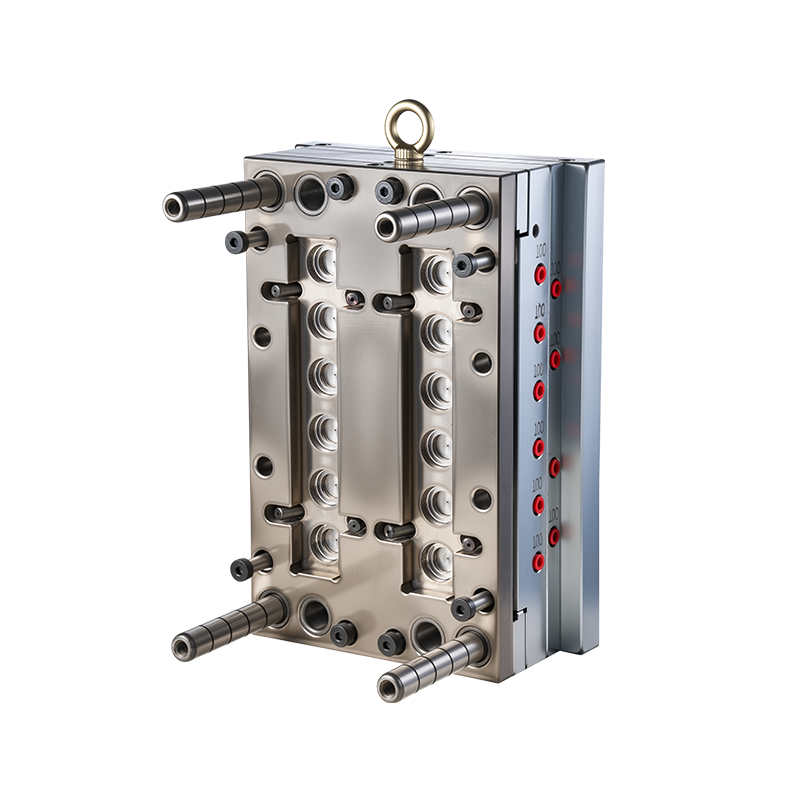
The wear-resistant eight-cavity two-piece lid valve plastic cap mold, as the name suggests, is a two-piece mold structure with eight molding cavities. Its core technical characteristics are mainly reflected in the following aspects:
Multi-cavity design, improving production efficiency
The eight-cavity design means that eight plastic caps can be produced simultaneously with each injection molding cycle. Compared with single-cavity molds, the output is significantly increased. For enterprises, multi-cavity molds can complete large-scale production in a short time, effectively reducing production costs and meeting the market's stable demand for plastic cap products.
Two-piece structure, facilitating demolding
Traditional molds are prone to material jamming or product damage during the demolding process. The two-piece design, through a reasonable slider and parting surface structure, makes the plastic cap demolding process smoother, reducing manual intervention and losses. This design also facilitates mold maintenance and replacement of parts, thereby extending the mold's service life.
Wear-resistant materials, ensuring mold life
During long-term injection molding production, the mold is subjected to high temperature, high pressure, and friction. The eight-cavity two-piece mold made of wear-resistant materials can effectively resist wear, improve the stability of the service cycle, and ensure the dimensional accuracy and appearance quality of the plastic caps.
Special design for valve caps, functional adaptation
This mold is particularly suitable for the production of plastic caps with valves. Its structural design ensures precise molding of the valve part, resulting in a final product with good sealing performance and ease of use. For food packaging, chemical containers, and other fields, the reliability of the valve function directly affects the product's effectiveness.
Application Effects in Production
In actual production, the wear-resistant eight-cavity two-piece lid valve plastic cap mold has demonstrated excellent application value. First, production efficiency is significantly improved. By simultaneously injecting into eight cavities, the company can produce a large number of qualified plastic caps per hour, meeting the growing market demand.
Secondly, the product quality is stable. The two-piece design combined with precision machining processes results in high dimensional consistency of the plastic caps, with a flat surface and no obvious burrs or deformation. For valve cap products requiring sealing performance, this precision ensures user experience and product safety.
Thirdly, mold maintenance is convenient. Traditional multi-cavity molds may experience localized wear or material blockage after a period of use, requiring downtime for maintenance. However, the design and material selection of the wear-resistant eight-cavity two-piece mold make it more durable, extending the maintenance cycle and making production planning easier for the company.
Industry Development Trends
With the popularization of environmental protection concepts and the increasing demands for industrial production efficiency, the plastic cap mold industry is showing several development trends:
Material Upgrades
The application of wear-resistant and corrosion-resistant materials in mold manufacturing is becoming increasingly widespread. New steel materials and surface treatment processes make molds more resistant to high temperatures and friction, extending mold life, reducing downtime during production, and improving enterprise production efficiency.
Automated Production Support
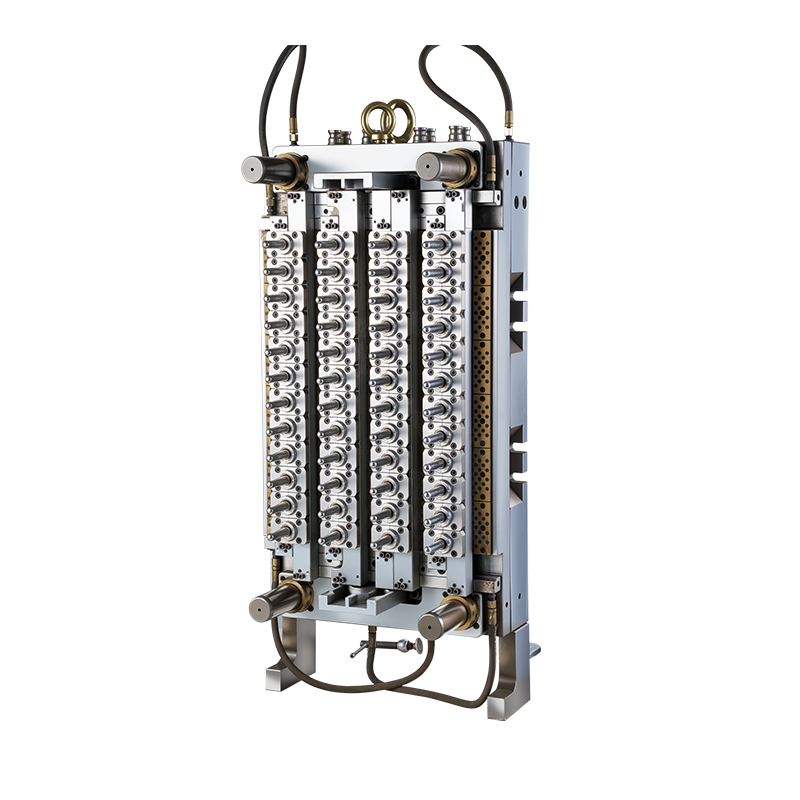
Modern plastic cap production not only relies on the performance of the mold itself but also emphasizes its compatibility with automated injection molding equipment. The combination of multi-cavity molds and high-speed injection molding machines can achieve fully automated production, packaging, and inspection, improving production capacity and management efficiency.
Functional Design
With the diversification of plastic cap uses, mold design is also developing towards functionalization. Products such as valve caps, flip-top caps, and snap-on caps require molds that can accurately form complex structures, ensuring the product's sealing performance, ease of opening, and safety. The two-piece, multi-cavity design can meet these functional requirements.
Green Production and Energy Saving
Environmental regulations are prompting companies to pay more attention to energy saving and resource utilization in mold production and injection molding processes. High-efficiency molds reduce heating and molding time of the injection molding machine, lowering energy consumption, and reducing the scrap rate, aligning with the concept of green production.
Market Demand Analysis
In the plastic packaging, food and beverage, daily necessities, and pharmaceutical and chemical industries, the demand for plastic caps with valves is steadily increasing. Products that are convenient to use, have good sealing performance, and can be repeatedly opened and closed are particularly attracting the attention of companies and consumers. This directly drives the market demand for wear-resistant eight-cavity two-piece plastic cap molds with valves. Food and Beverage Industry
For products such as beverage bottles and condiment bottles, valve caps provide convenience for users while preventing liquid leakage. High-efficiency, wear-resistant molds ensure that manufacturers can consistently provide products that meet standards.
Pharmaceutical and Chemical Industry
Pharmaceutical and chemical containers require high sealing performance, and the precision and durability of plastic cap molds directly affect product safety. The eight-cavity, two-piece design ensures mold stability and product consistency, providing reliable packaging solutions for the industry.
Daily Necessities and Household Products
Products such as detergents, condiment bottles, and storage containers also require durable, well-sealed plastic caps. The high output of multi-cavity molds meets the market's dual demands for price and supply stability.
Technological Improvements and Innovation Directions
In the future, technological improvements for wear-resistant eight-cavity two-piece valve plastic cap molds will mainly focus on the following areas:
Mold Structure Optimization
Through finite element analysis and flow channel simulation, optimize the gate position and parting surface design to reduce residual stress and injection molding defects, improving product molding quality.
Surface Treatment Technology Enhancement
Using technologies such as surface nitriding and titanium plating to improve the surface hardness and corrosion resistance of the mold, further extending its service life.
Intelligent Monitoring
Integrating sensors with the mold to achieve real-time monitoring of temperature, pressure, and opening/closing status, improving the controllability and safety of the production process.
Energy-Saving Injection Molding Process
Combining energy-saving injection molding machines and optimized mold heating system solutions to shorten molding time and reduce energy consumption, promoting green production.
The wear-resistant eight-cavity two-piece valve plastic cap mold, with its reasonable structure, high production efficiency, and strong durability, is playing an increasingly important role in the plastic products industry. With continuous technological upgrades and growing market demand, these molds will continue to optimize production processes, improve product quality, and drive further development in production efficiency, environmental protection, and product functionality in related industries.