

 English
 русский
 Español
 عربى
عربىExpanding Role in Beverage and Consumer Goods Production
Bottle Preform Mold Factory operations play a central role in the packaging supply chain. Plastic bottles used in beverages, edible oils, household liquids, and personal care products often begin as preforms. These preforms, shaped like small test tubes, are later heated and blown into full-size containers. Behind this transformation stands precise mold engineering that defines the shape, thread finish, wall thickness, and clarity of the final product.
Demand for packaged drinks and consumer goods continues to stimulate activity inside every Bottle Preform Mold Factory. Production lines must accommodate different neck standards, volumes, and resin types. Water bottles, carbonated beverage containers, and juice packaging all require tailored mold structures. Even small changes in bottle geometry can affect strength, stacking ability, and filling compatibility.
Factories serving this sector frequently collaborate with beverage brands and packaging companies. They analyze production targets, injection machine capacity, and cycle time expectations. Mold cavitation numbers, cooling channel layout, and gate design directly influence output efficiency. When brands aim to expand capacity, mold performance becomes a crucial factor.
In competitive markets, packaging speed and uniformity influence profitability. A Bottle Preform Mold Factory contributes to these objectives by delivering tooling systems that operate consistently under demanding schedules. Through precise engineering and material selection, mold components maintain dimensional accuracy across extended production cycles.
Mold Design Engineering and Structural Precision
Engineering forms the technical backbone of any Bottle Preform Mold Factory. Designers begin by reviewing 3D drawings and neck specifications. Thread accuracy determines how caps seal, so tolerance control remains critical. Even minor deviations can cause leakage or incompatibility during capping operations.
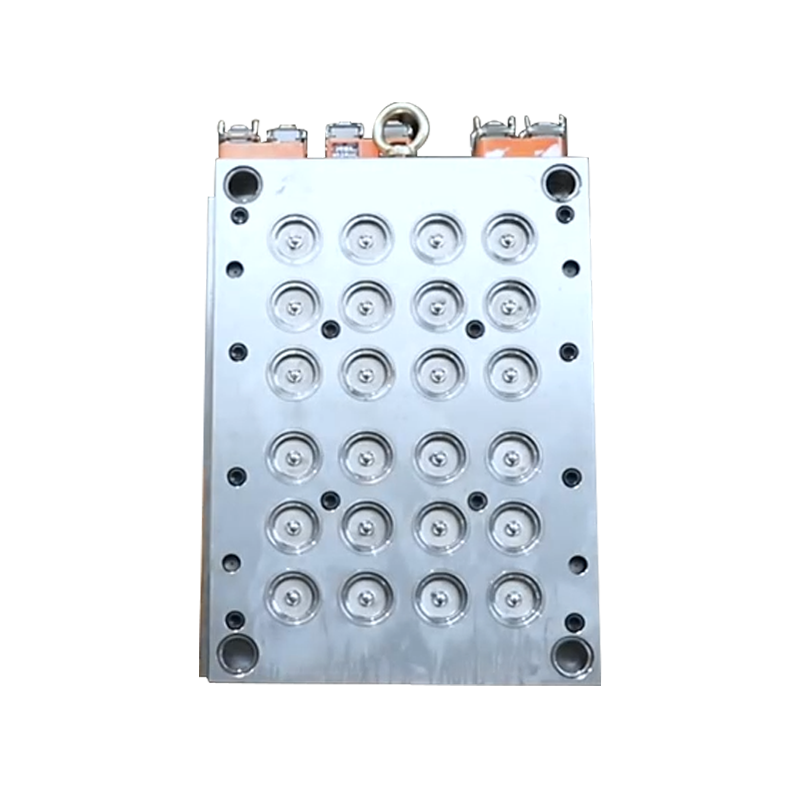
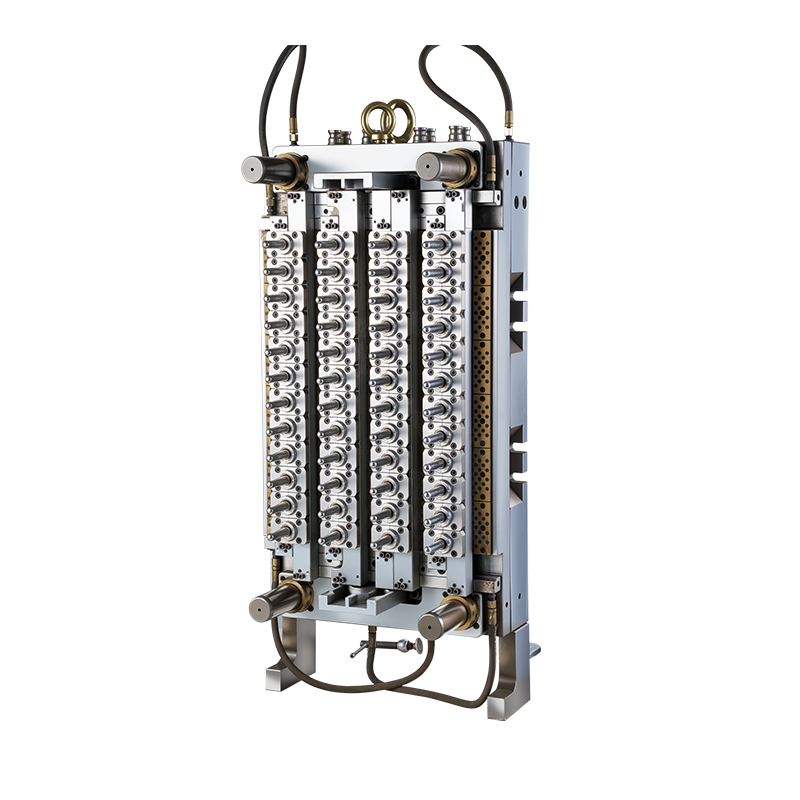
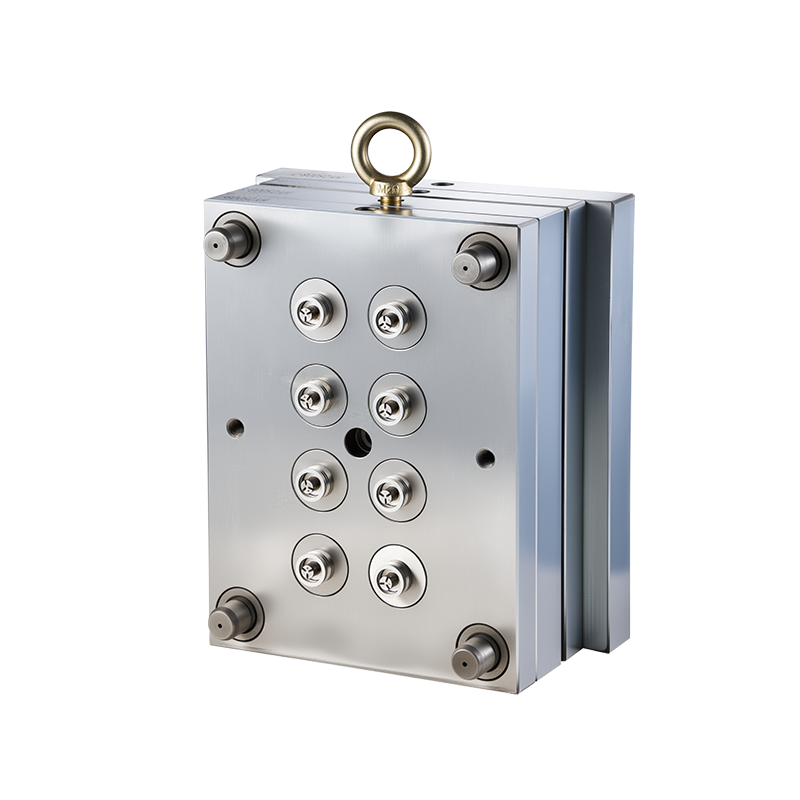
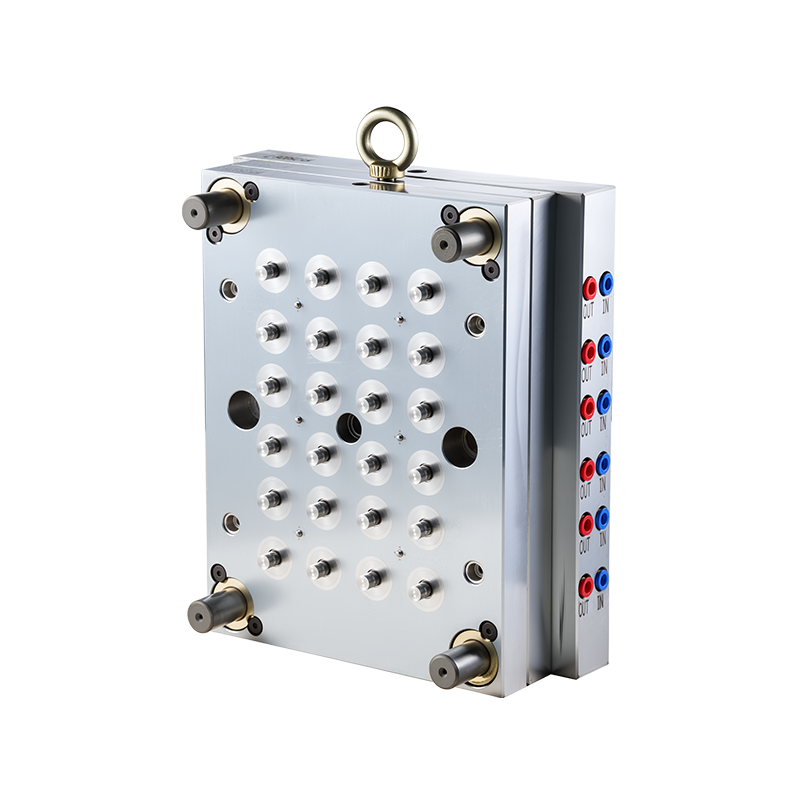
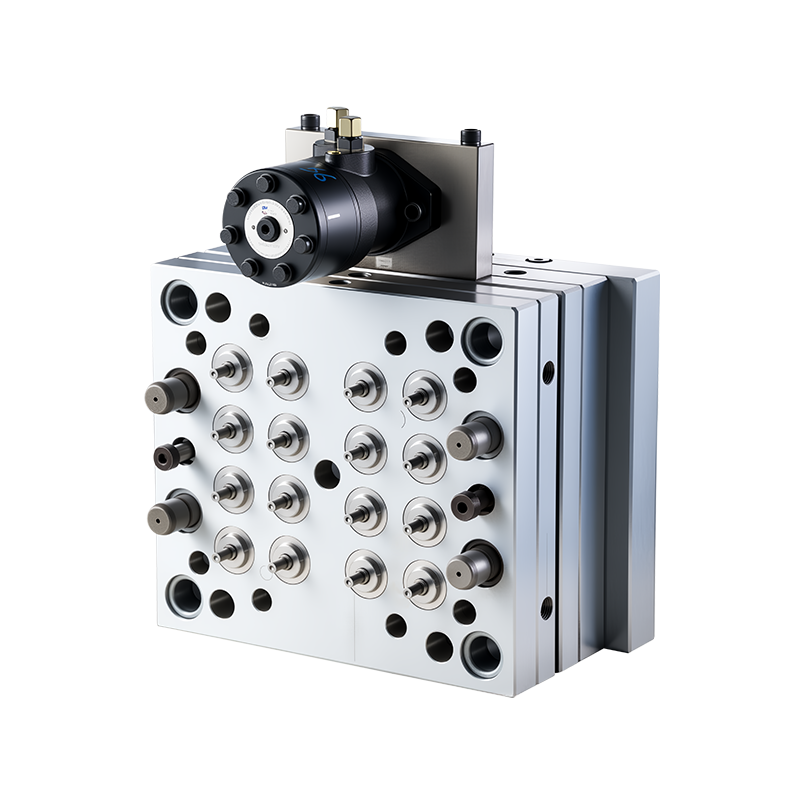
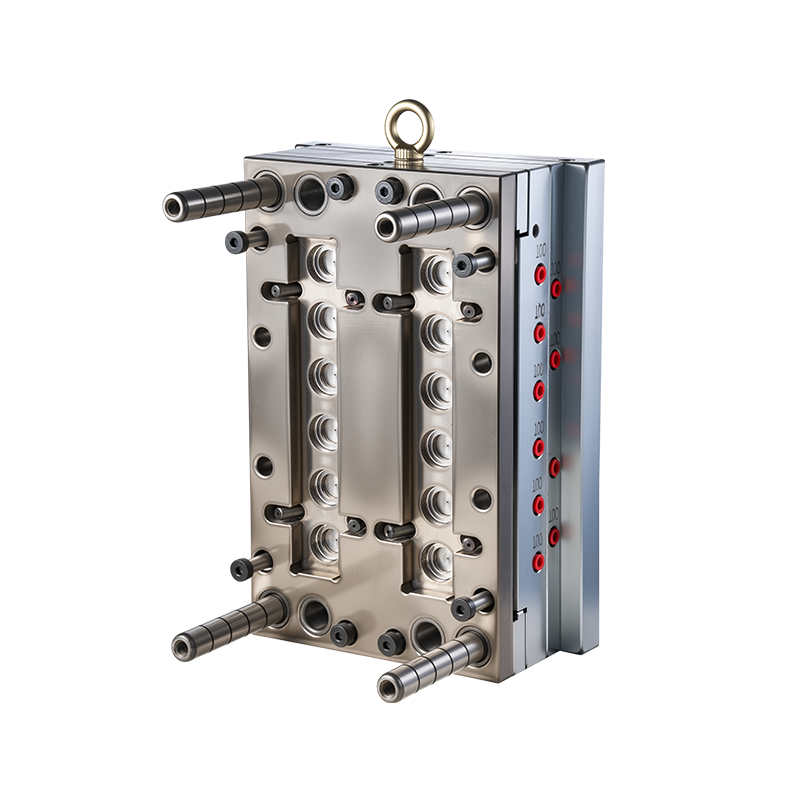
Cavity layout decisions depend on injection machine specifications. High-cavity molds allow large output volumes, yet they demand balanced material distribution. Hot runner systems channel molten resin evenly to each cavity. Temperature control channels regulate cooling speed, reducing deformation risk.
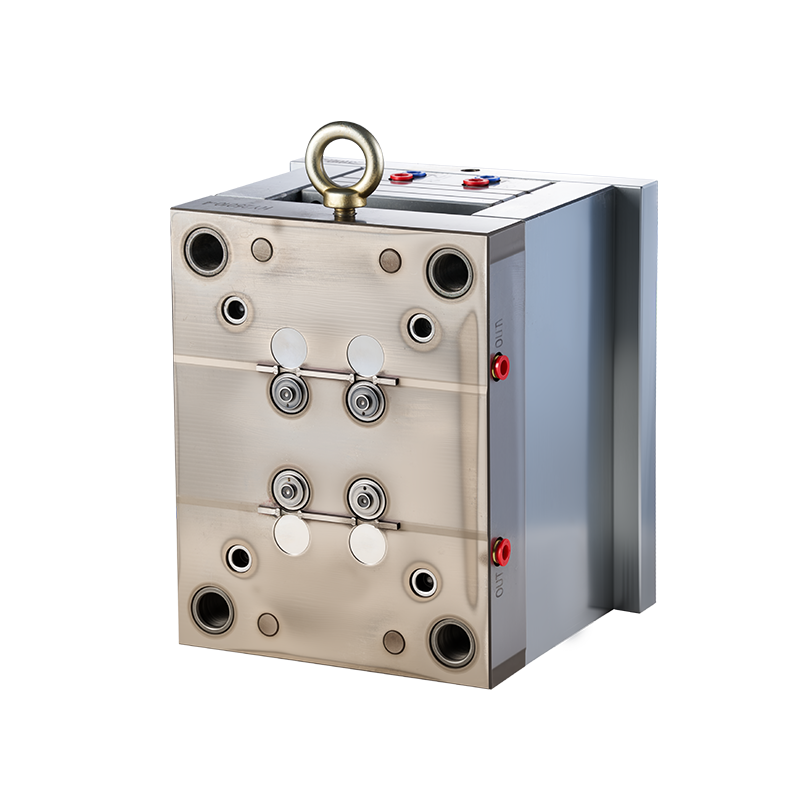
Steel selection also influences mold stability. Hardened tool steel often supports repeated injection cycles under elevated pressure and temperature. Surface treatment improves wear resistance and preserves gloss on preform surfaces. Polishing processes refine cavity interiors, contributing to clarity and smooth demolding.
Industry Cooperation and Market Dynamics
Packaging supply chains involve close cooperation between mold factories, injection molding companies, and brand owners. A Bottle Preform Mold Factory does not operate in isolation. Communication with downstream processors ensures that mold dimensions match blowing equipment capabilities.
Standardization plays a significant role. Many beverage sectors rely on recognized neck finishes such as 28mm or 30mm specifications. Adhering to established standards facilitates interchangeability between caps and bottles across different regions. Mold factories therefore remain attentive to industry norms and compatibility requirements.
Market competition encourages efficiency improvements. Shorter cycle times can reduce per-unit production cost, yet stability must remain consistent. Engineering teams continually refine cooling layout and material flow balance to support steady operation under intensive workloads.
Within the broader packaging ecosystem, the contribution of a Bottle Preform Mold Factory extends beyond metal tooling. Its expertise shapes the structural foundation of countless beverage and consumer containers seen on retail shelves. Through careful engineering, disciplined production control, and collaborative industry engagement, these factories sustain the efficiency and reliability of modern plastic bottle manufacturing.