

 English
 русский
 Español
 عربى
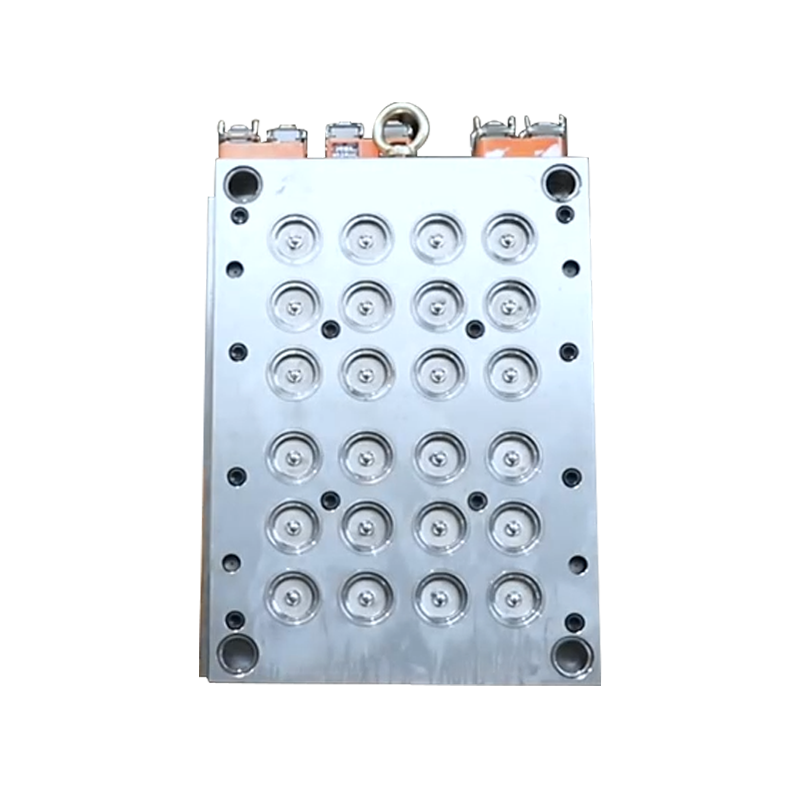
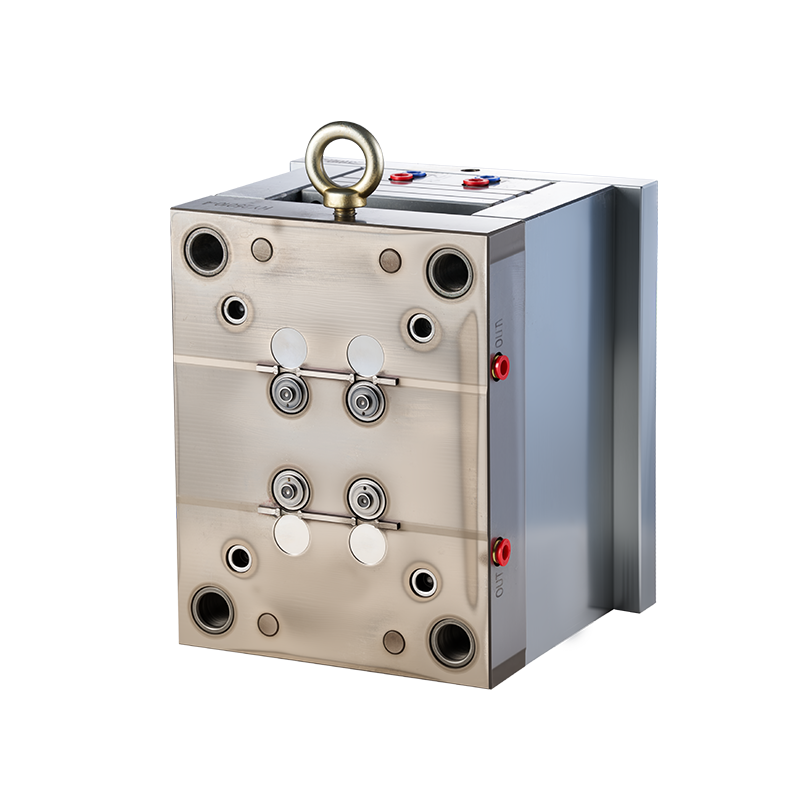
عربىA Bottle Cap Mold plays a central role in shaping the closures that seal bottles used across beverages, pharmaceuticals, cosmetics, and other industries. These molds are designed to form caps with accurate thread patterns, proper dimensions, and uniform thickness to ensure secure closure. Precision in mold design affects both the usability and durability of the final cap. The mold must accommodate specific plastic materials, whether PET, PP, or HDPE, which respond differently to heat, pressure, and flow during injection. The process begins with careful measurements to maintain consistent dimensions, enabling reliable sealing and proper fit on bottles of varying shapes and sizes.
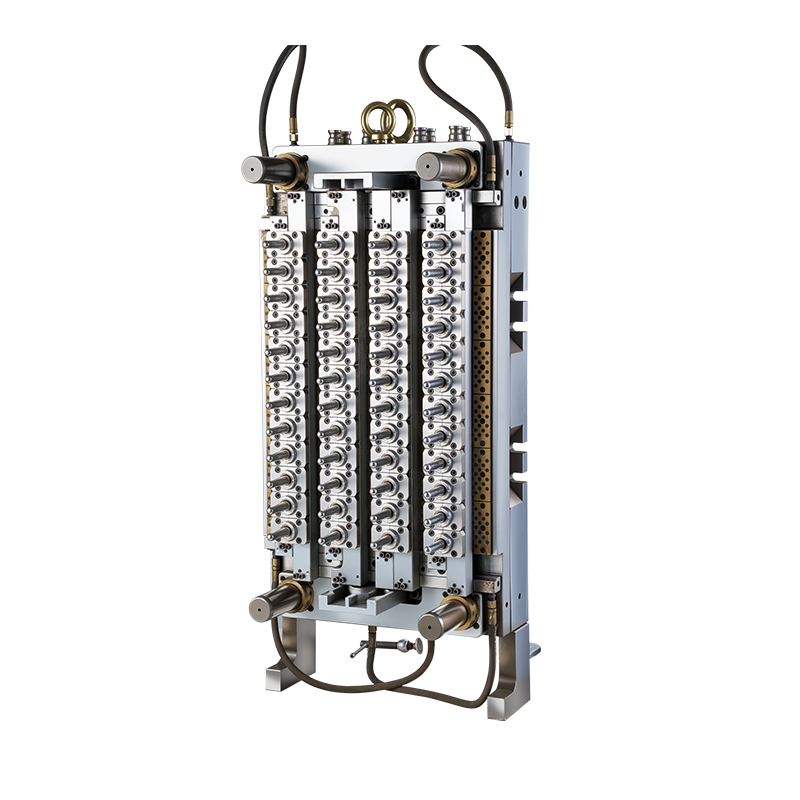
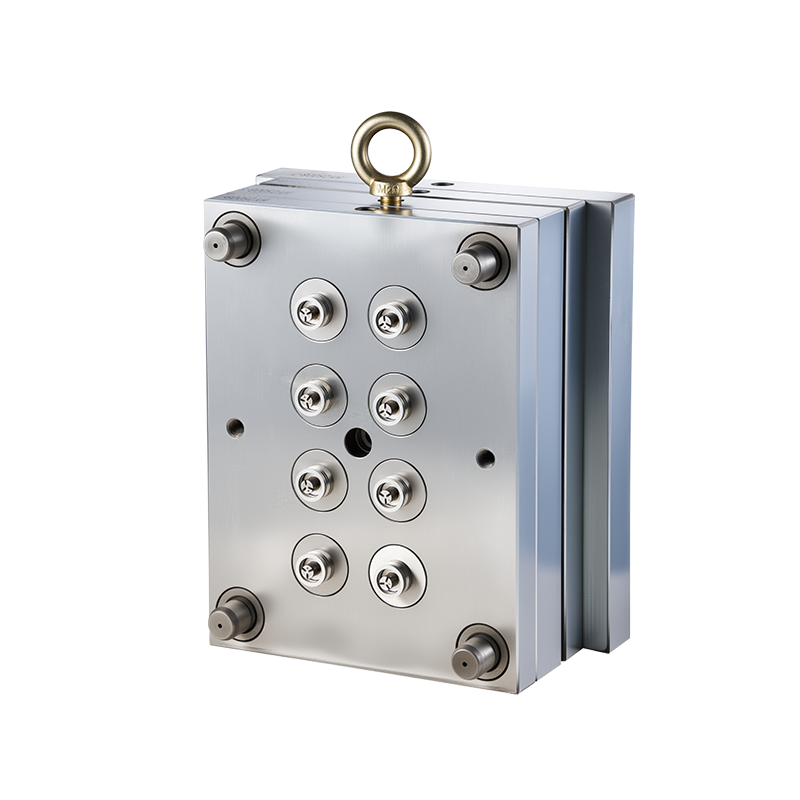
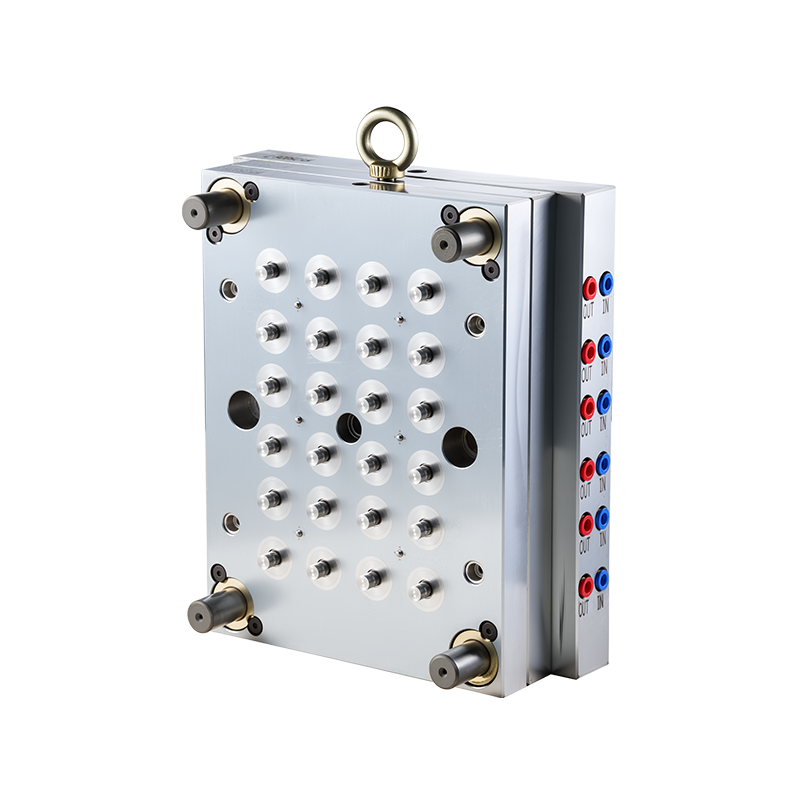
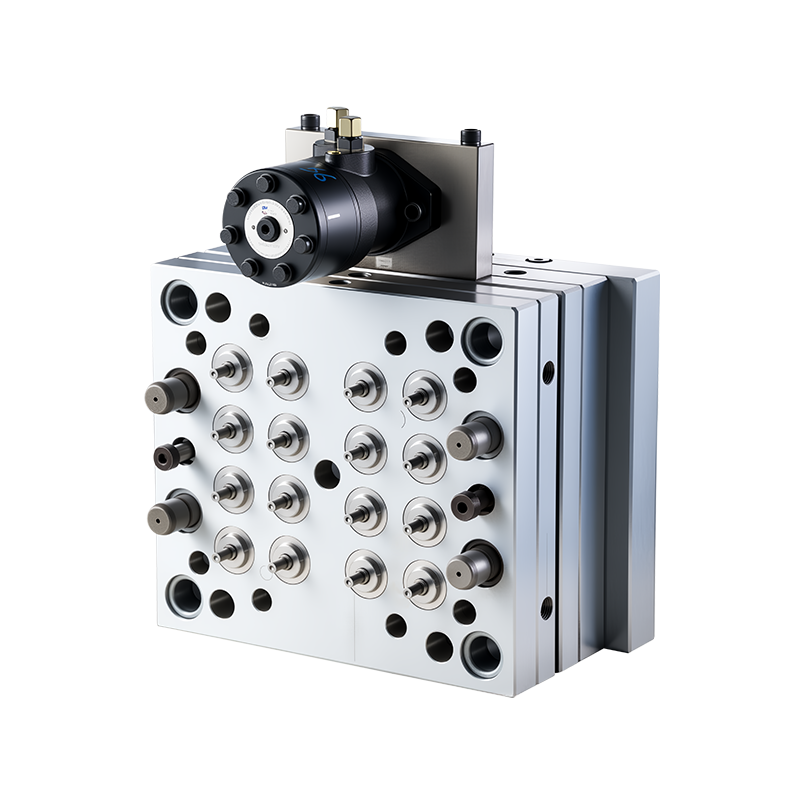
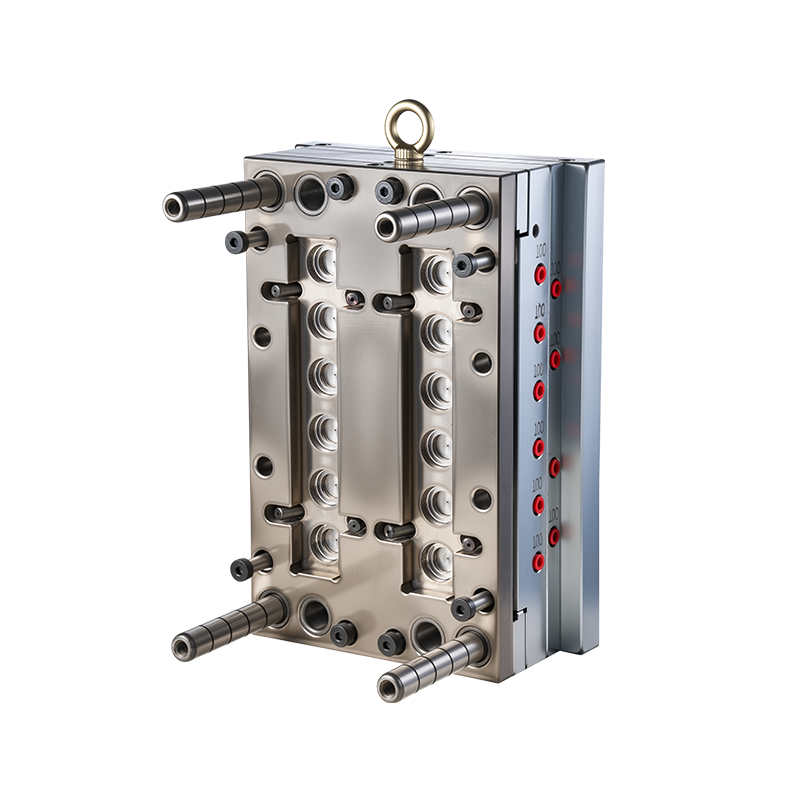
In a typical factory, engineers use computer-aided design (CAD) software to plan mold shapes, simulate plastic flow, and anticipate potential defects. After design, CNC machines carve the mold components with precision. Core elements include the mold cavity, which shapes the exterior of the cap, and the core pin, which defines the inner threading and cavity. Ejector systems remove finished caps without scratching surfaces. Cooling channels are integrated to regulate the temperature, ensuring the plastic solidifies evenly and prevents warping. Factories often assemble multi-cavity molds to produce several caps in one cycle, increasing efficiency while maintaining uniformity.
Quality control is a constant aspect of mold production. Even small deviations in thread depth or cavity alignment can affect sealing performance and user experience. Factories conduct sample testing to check dimensions, fit, and surface quality. Some molds include surface textures to improve grip or create brand-specific visual features. Careful inspection during production ensures that each cap meets design standards and functional requirements. Skilled technicians adjust molding parameters based on material behavior and production results, maintaining consistency across thousands of cycles.
Bottle Cap Molds serve a variety of industries, each with unique demands. Beverage companies require tight seals to prevent leaks and preserve freshness. Pharmaceutical brands depend on accurate threading and child-resistant features to meet safety regulations. Cosmetic producers need visually consistent and ergonomic caps that enhance the product experience. Specialized caps, such as flip-tops, sports caps, or tamper-evident designs, present additional challenges in mold design, demanding precise engineering and careful production monitoring. Regardless of the type, the principles of mold design—accuracy, repeatability, and quality control—remain essential.
Automation and monitoring tools enhance the production process. Sensors track temperature, pressure, and material flow during injection molding, allowing operators to make real-time adjustments. Data collected can guide improvements in mold performance and prevent defects before they occur. Routine inspections and sample checks verify that each cap matches specifications. Some factories also design molds to allow easy replacement of worn parts, supporting continuous production without downtime. This combination of precision engineering, monitoring, and quality control allows Bottle Cap Molds to produce consistent, functional, and reliable closures efficiently.
The design and production of a Bottle Cap Mold require careful attention to detail at every stage. Accurate molds lead to caps that not only seal effectively but also operate smoothly, providing a good experience for users. By focusing on material properties, thread precision, and mold functionality, factories deliver closures that meet industry standards while supporting efficient production.