

 English
 русский
 Español
 عربى
عربىUnderstanding Bottle Preform Mold Manufacturing
A Bottle Preform Mold Manufacturer plays a central role in producing the initial forms of plastic bottles. Preforms are small, test-tube-shaped pieces of plastic that later expand into full bottles during blow molding. The manufacturer focuses on precise shaping and uniform thickness, which directly impacts the bottle’s durability and appearance. Different types of plastics, such as PET or HDPE, are used depending on the intended application. This requires careful attention to material properties and mold design.
Manufacturers often collaborate with designers and industrial engineers to ensure molds meet specific size and weight requirements. The precision of the mold dictates how evenly the material flows during the injection process. Any small variation in mold temperature, alignment, or cavity depth can influence the final preform quality. Bottle Preform Mold Manufacturers typically operate multiple molding machines, enabling simultaneous production of various preform designs. Manufacturers may conduct sample testing on preforms to verify strength, uniformity, and appearance before beginning full-scale production.
Key Components in Mold Production
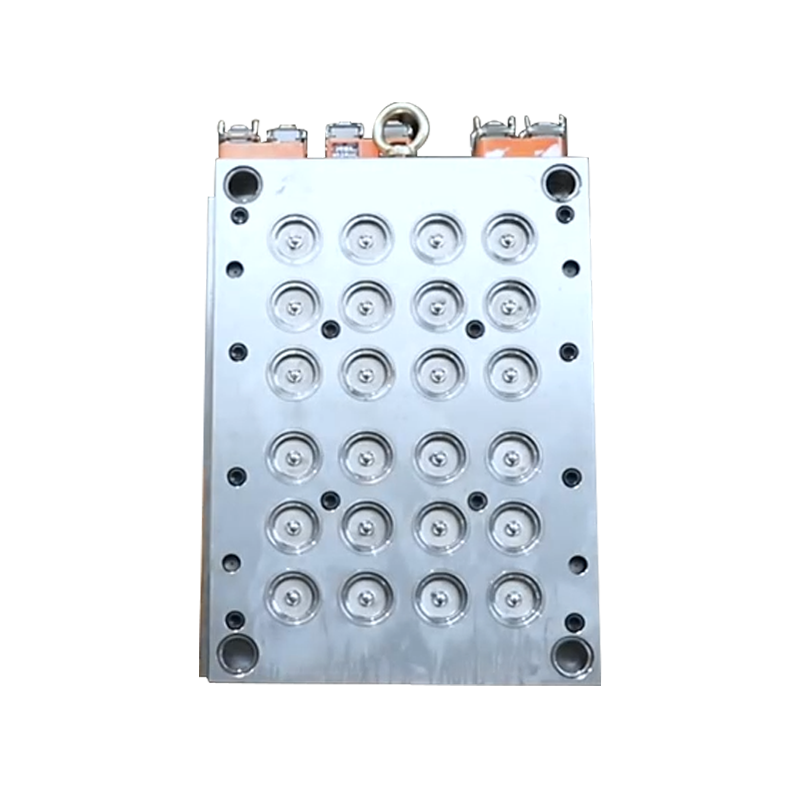
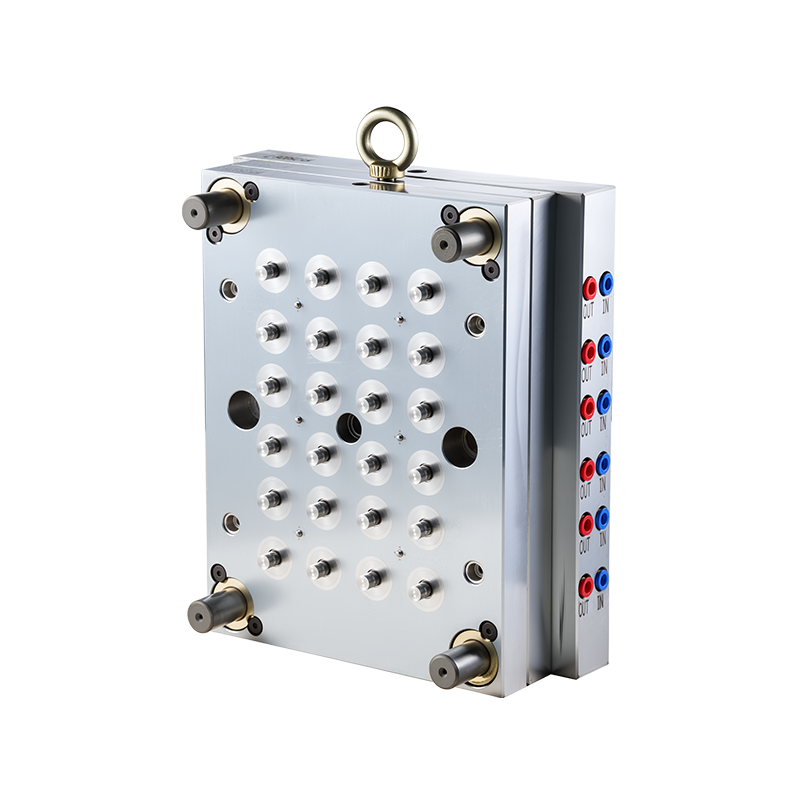
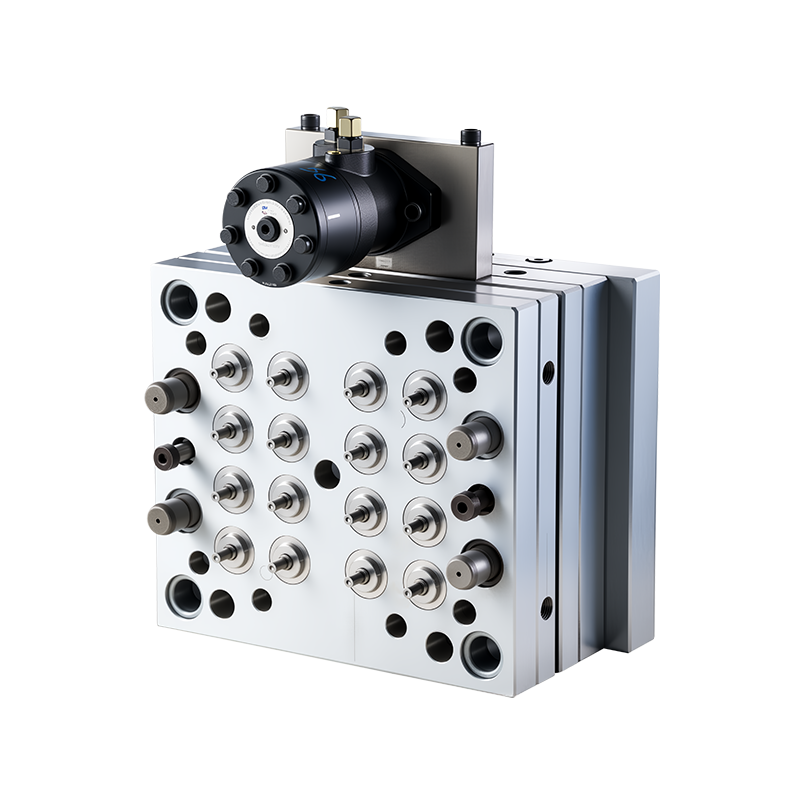
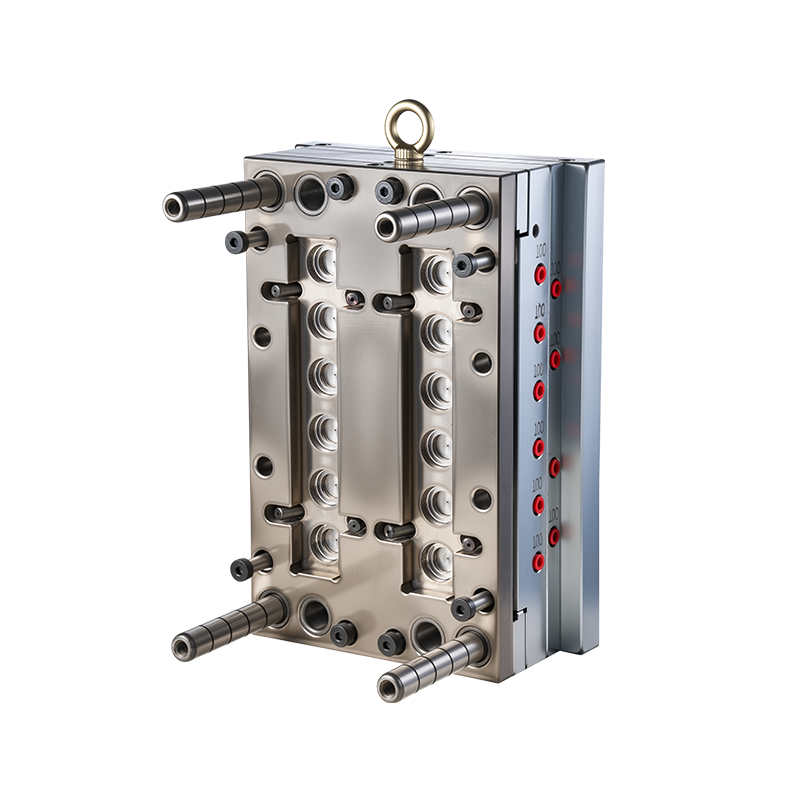
Several components make up a functional bottle preform mold. Core parts include the mold cavity, core pins, and ejector system. The cavity shapes the exterior of the preform, while the core pin defines the interior surface. The ejector system helps remove the finished preform without causing scratches or deformations.
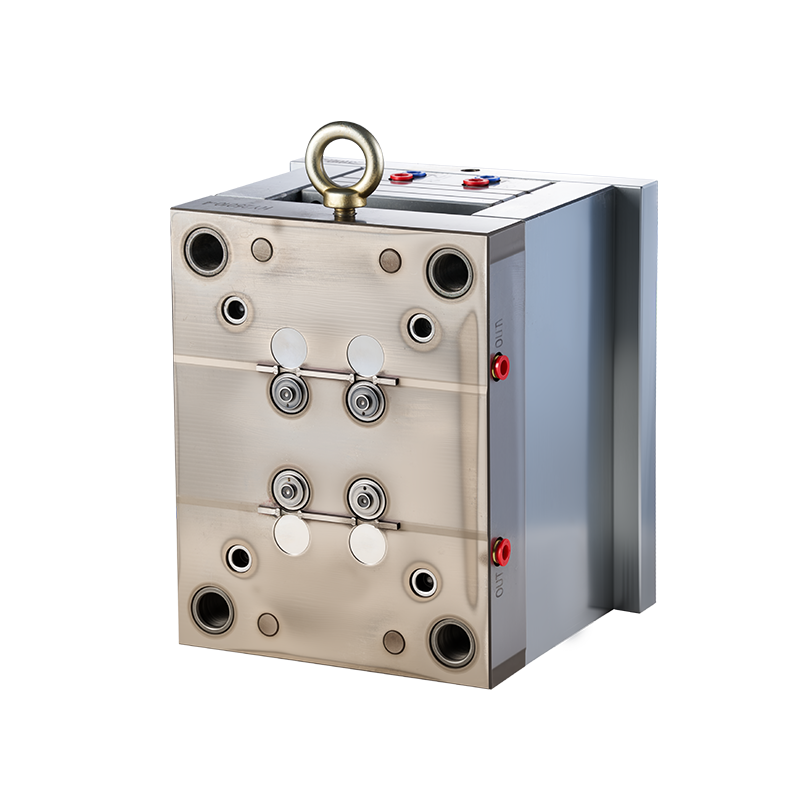
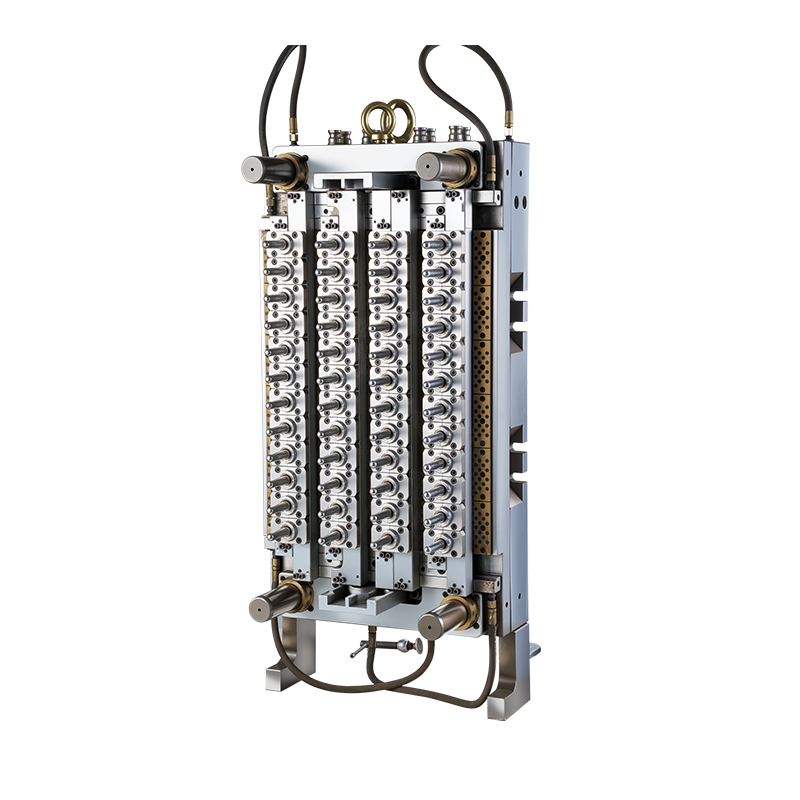
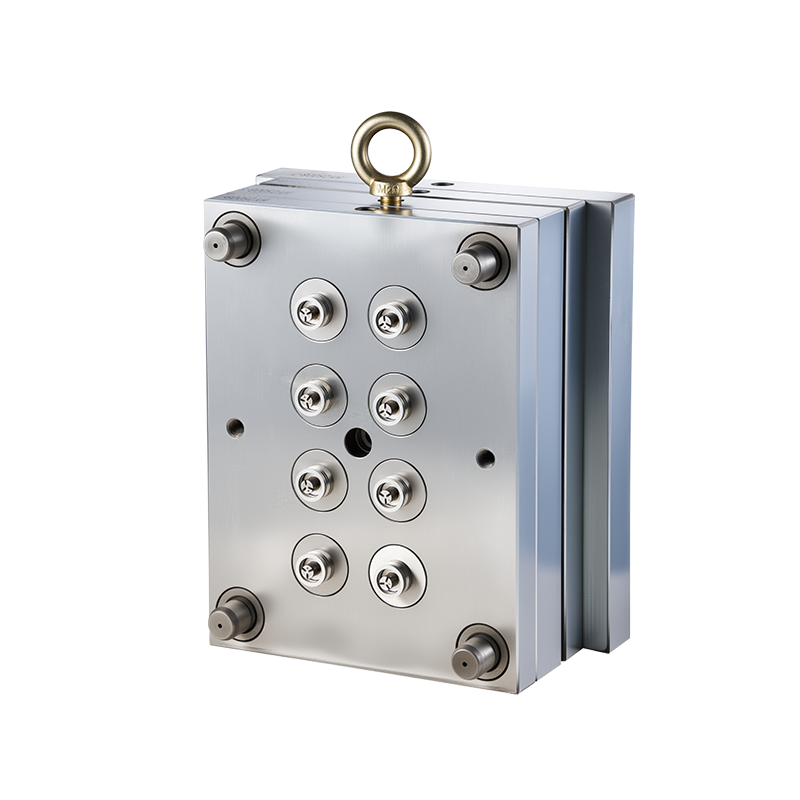
Cooling channels are integrated to regulate temperature during production. Proper cooling ensures the preforms solidify evenly, maintaining consistency in wall thickness. The mold base provides structural support and stability during injection. Advanced manufacturers use modular designs, allowing easy replacement of worn parts and enabling multiple preform shapes using a single mold base. Precision machining and surface finishing techniques are critical in producing molds that perform reliably over long production runs. Some manufacturers also incorporate detailed inspection points to quickly identify defects or wear, helping maintain production consistency.
Industry Applications and Production Efficiency
Bottle Preform Mold Manufacturers serve a wide range of industries. Beverage companies, cosmetic brands, pharmaceutical producers, and food suppliers rely on preform molds to create uniform bottles. Preform molds enable faster production compared to traditional bottle forming methods, as multiple preforms can be created in one cycle.
Manufacturers focus on reducing production errors while maintaining speed. Features like quick mold change systems and automated alignment checks help minimize downtime. Even slight improvements in cycle time or material usage can lead to significant cost savings in large-scale operations. The ability to produce consistent preforms allows companies to streamline packaging processes and maintain uniform product presentation. Some manufacturers also offer guidance on optimizing mold layouts, helping clients maximize the number of preforms produced per cycle while maintaining quality standards.
Technological Innovations in Mold Design
While avoiding extremes, technological refinements remain a key area for Bottle Preform Mold Manufacturers. Computer-aided design (CAD) software allows detailed simulations of the injection process, predicting potential defects and optimizing cavity flow. Precision CNC machining ensures mold parts meet tight tolerances, contributing to uniform preform thickness and smooth surfaces.
Manufacturers increasingly incorporate sensors to monitor temperature, pressure, and material flow during production. Data collected can be used to fine-tune machine settings and prevent defects. Additionally, surface coatings on molds improve durability and reduce friction, supporting longer production runs without compromising preform quality. Collaboration with material suppliers ensures the molds are compatible with a range of plastics, extending the manufacturer’s capabilities across different production requirements. Some companies also experiment with mold surface textures to enhance the visual appeal of preforms and support brand differentiation.