

 English
 русский
 Español
 عربى
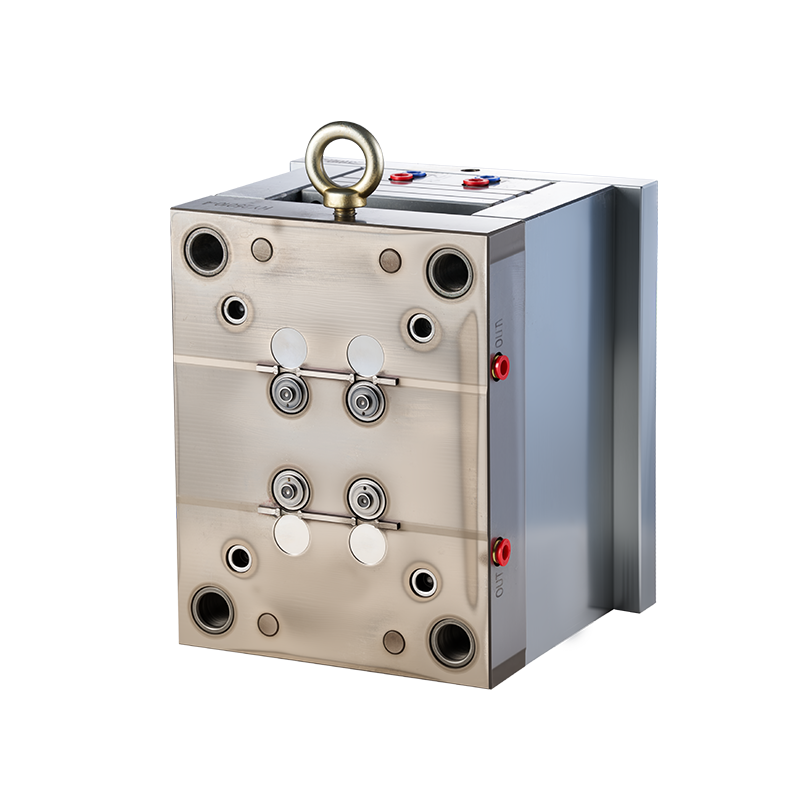
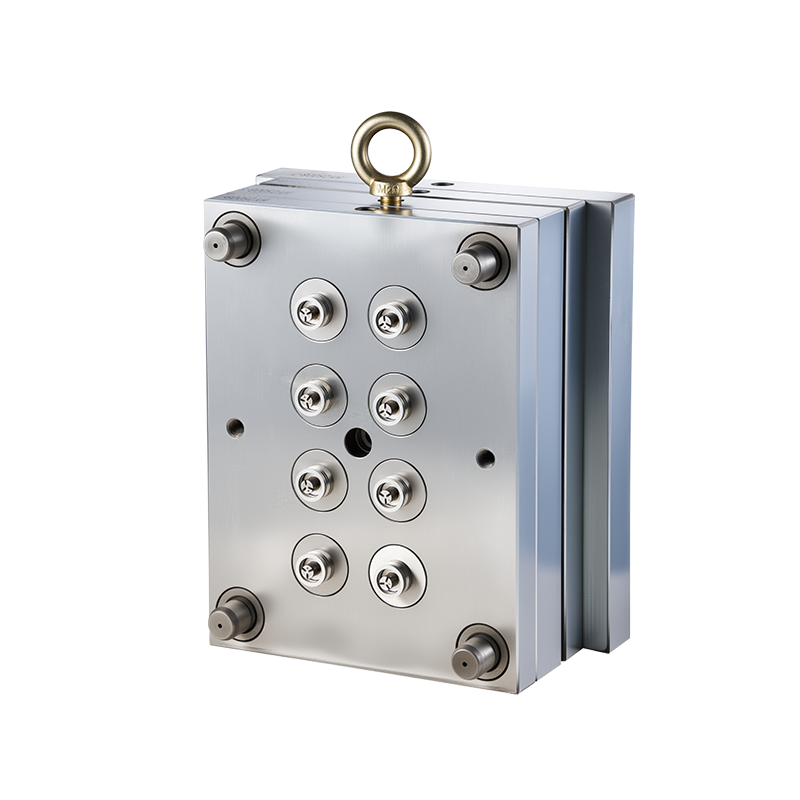
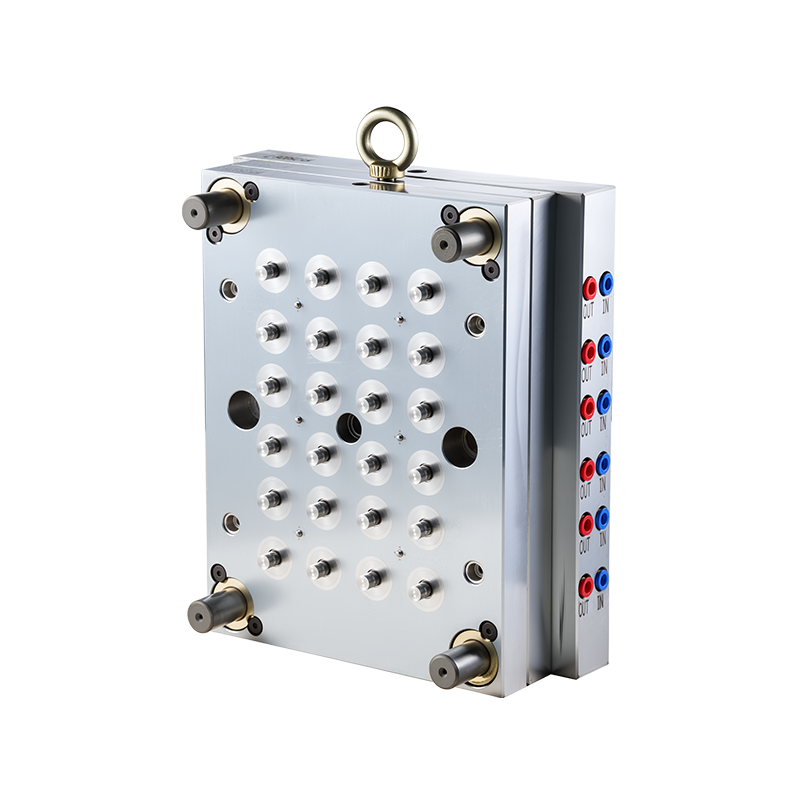
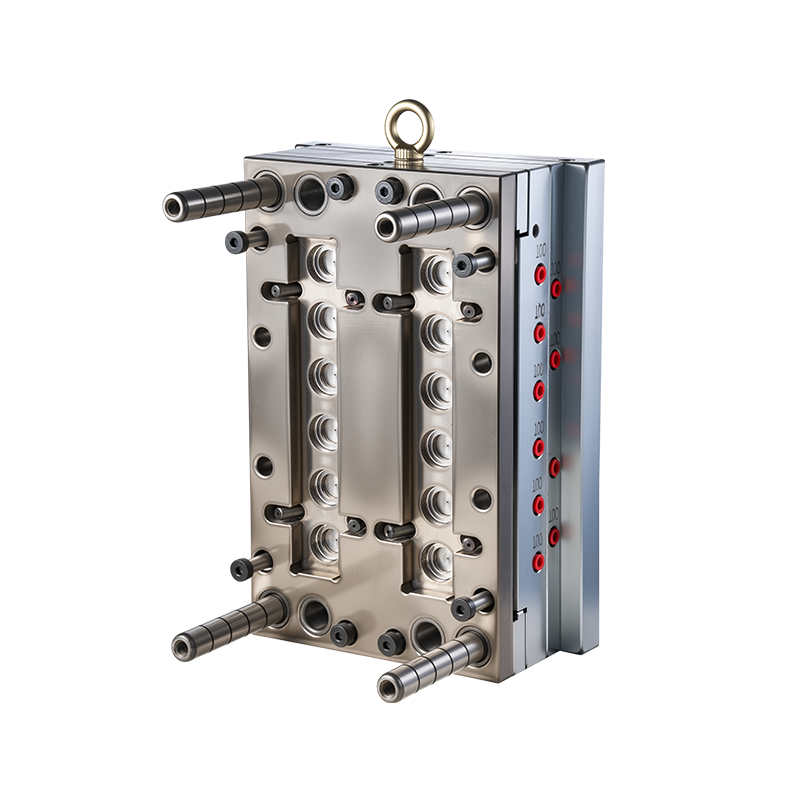
عربىThe plastic bottle you pick up at the grocery store started its life as a short, thick tube of resin — a preform — that was later reheated and blown into its final shape. That preform was made in a mold. And that mold came from somewhere. For packaging companies, beverage producers, and contract manufacturers, the bottle preform mold manufacturer they choose shapes every production run that follows. Getting that decision right matters more than most people outside the industry appreciate.
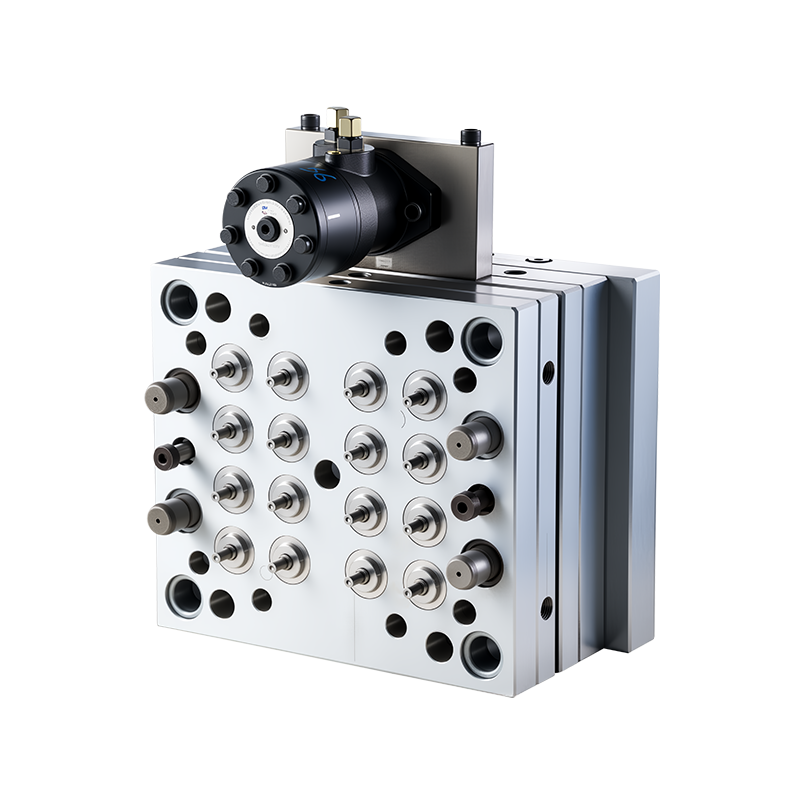
Hot Runner Systems and Their Role in Preform Quality
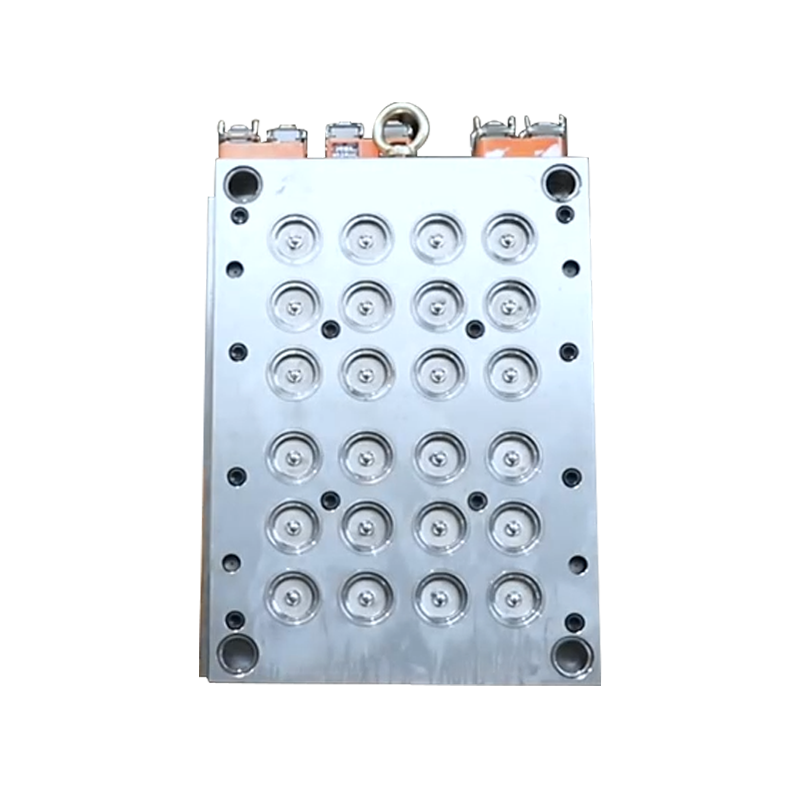
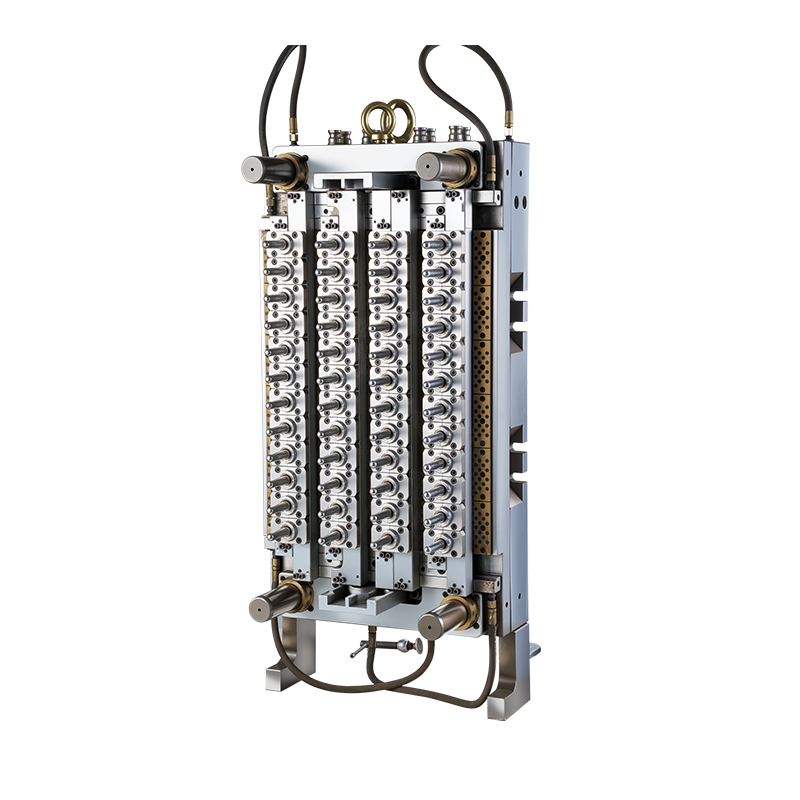
The hot runner system is the network of heated channels that delivers molten PET from the injection molding machine nozzle to each individual mold cavity. In a well-designed preform mold, every cavity receives the same volume of resin at the same temperature and the same pressure, at the same moment. Deviations from that balance produce cavities that fill at different rates, cool at different rates, and yield preforms with different characteristics — even within the same shot.
Hot runner design is an area where bottle preform mold manufacturers differ considerably. Some source hot runner components from established specialist suppliers. Others design and manufacture their own. Neither approach is inherently wrong, but the buyer's due diligence should include understanding how the hot runner is balanced, what tolerances are maintained, and how temperature control is managed across the full cavity count. These details don't always surface in a sales conversation without being asked directly.
Steel Selection and Its Effect on Mold Life
Preform molds run hard. In a high-volume beverage operation, a mold might complete several million cycles in a year. The steel used for cavity inserts, cores, and neck finish components has to tolerate that level of cyclic stress, maintain dimensional accuracy throughout, and resist the corrosive effects of PET resin processing — which releases acetaldehyde and other byproducts that are not kind to certain grades of steel.
Stainless steel grades are standard for preform mold cavities in most serious production tooling. Specific grades vary by manufacturer and application, but the general principle is that corrosion resistance and hardness need to coexist — a combination not every steel achieves. Neck finish components, which hold the tightest tolerances and take the most wear from ejection, are often made from higher-specification steel than the rest of the tool.
Asking a bottle preform mold manufacturer to specify the steel grades used in their tooling — and why — is a reasonable question. Vague answers are informative in their own way.
How to Evaluate a Bottle Preform Mold Manufacturer
Technical capability is one dimension of the evaluation. Track record is another. A manufacturer who has built molds for comparable applications — similar cavity counts, similar resin specifications, similar production environments — carries less technical risk than one for whom the project represents new territory.
Communication during the tooling development process matters too. Preform mold projects involve design reviews, trial runs, dimensional reporting, and iterative adjustments before a tool is signed off for production. A manufacturer who treats that process as a dialogue rather than a transaction is easier to work with when problems arise — and in complex tooling projects, some degree of iteration is normal rather than exceptional.
Lead time and production location affect logistics and project scheduling in ways that vary by buyer situation. These are practical considerations that sit alongside the technical ones, and they're worth mapping out before the specification process begins rather than after a manufacturer has already been selected.