

 English
 русский
 Español
 عربى
عربىThe Technical Details That Actually Separate Good Molds from Mediocre Ones
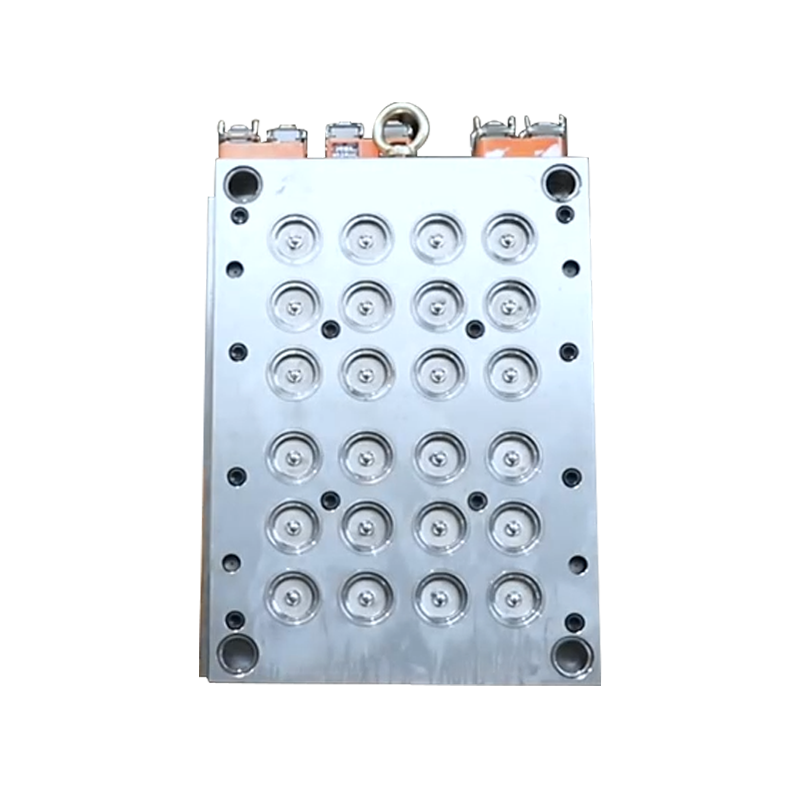
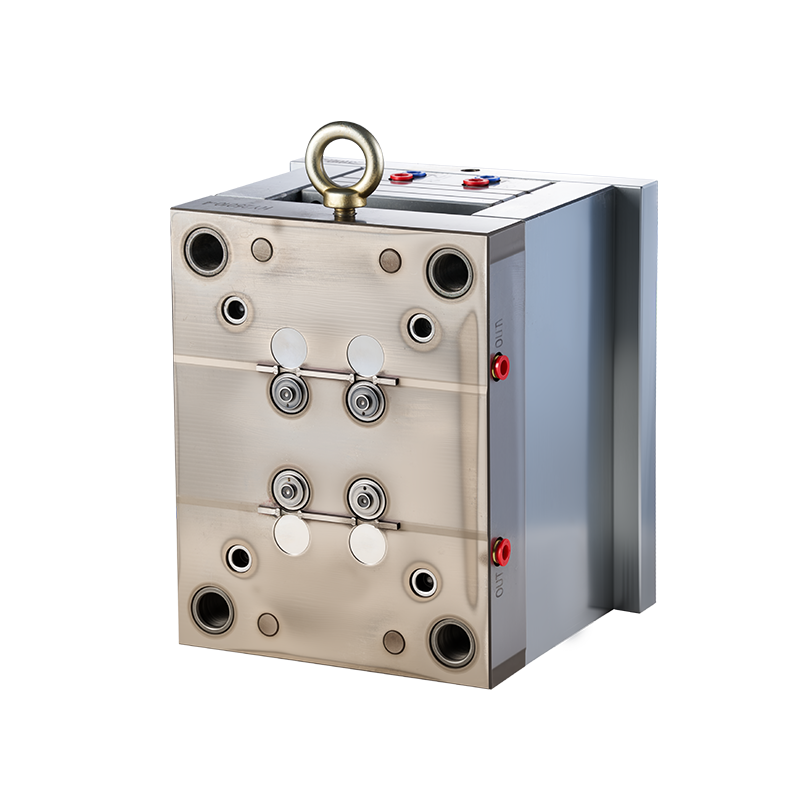
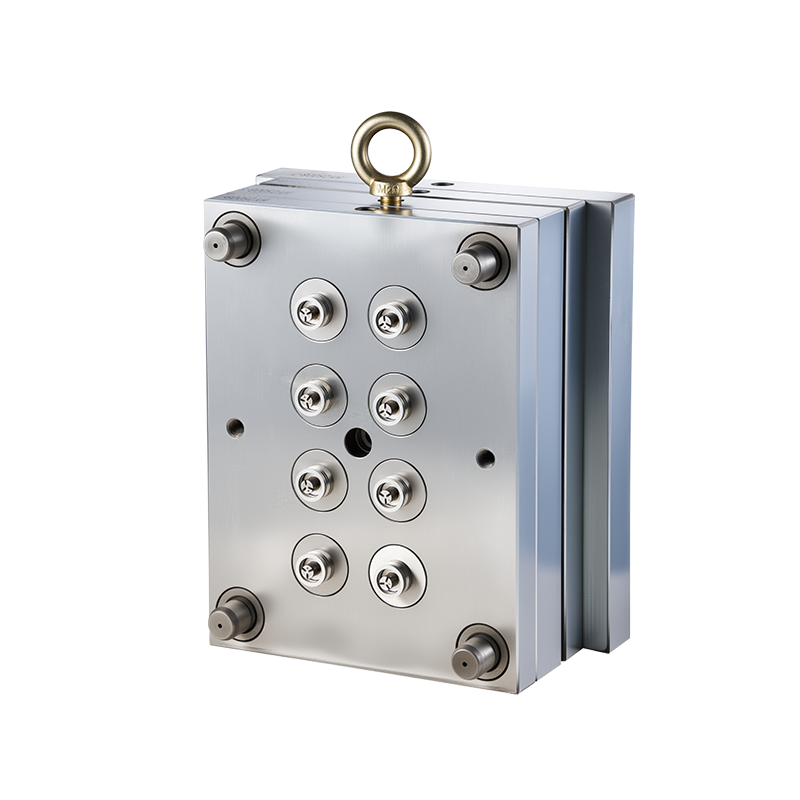
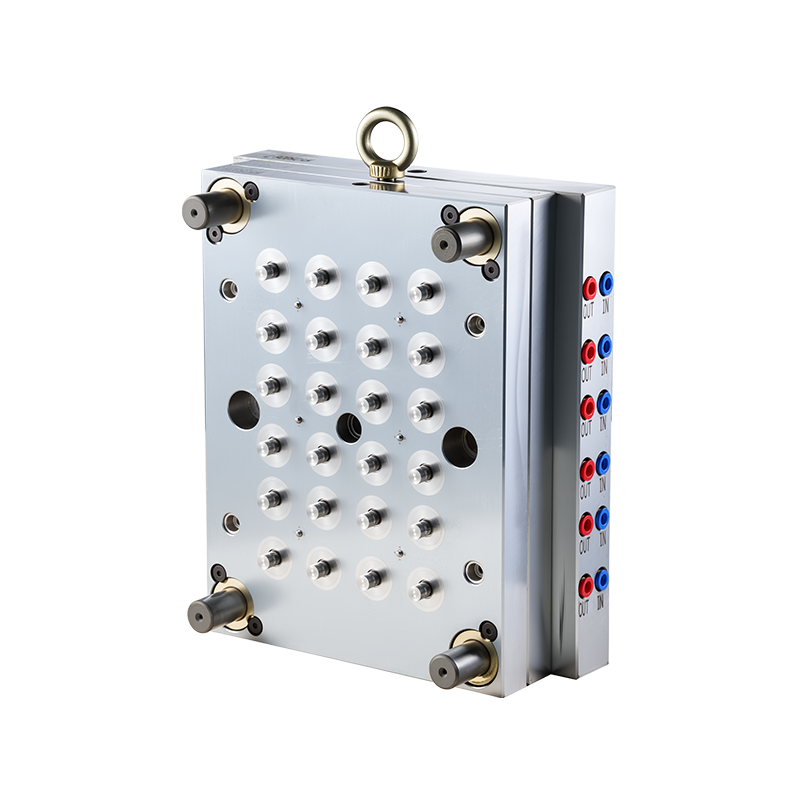
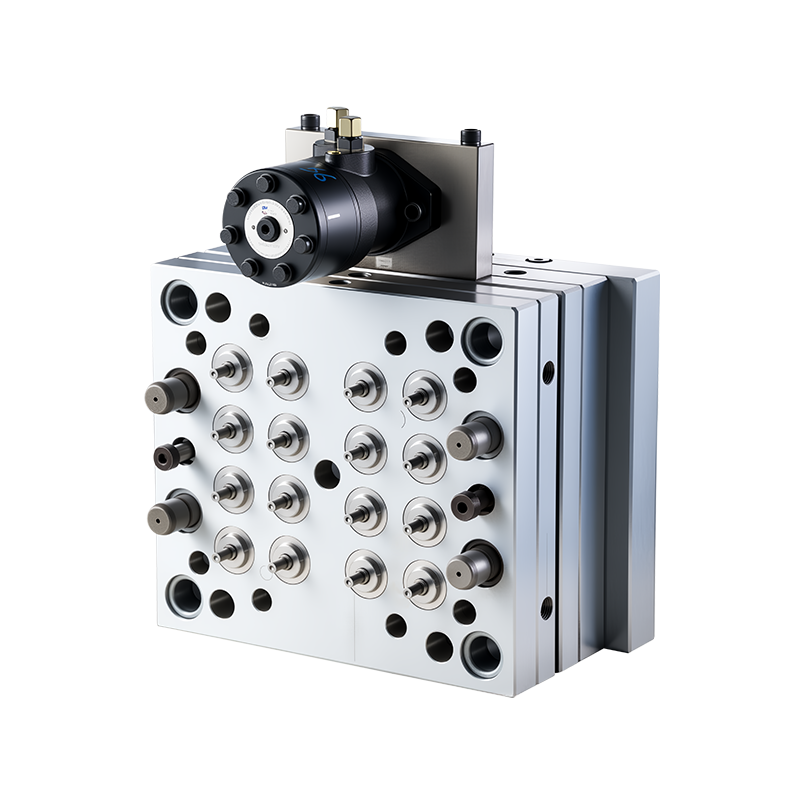
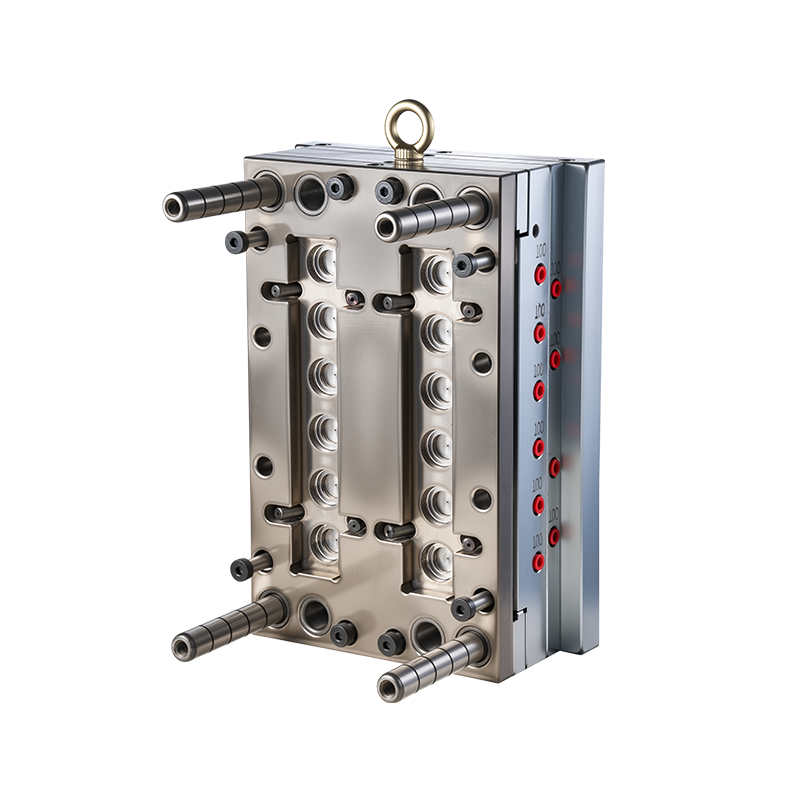
Walk into any mold shop and the engineers there will tell you the same thing: most cap quality problems trace back to decisions made during the Bottle Cap Mold design phase, not during production. A few factors tend to matter more than others.
Steel grade is one of them. P20, H13, and S136 are common choices for core and cavity components because they hold up under repeated thermal cycling without deforming. For lower-volume applications, aluminum is sometimes used — it machines faster and costs less, but it won't survive the same number of cycles before showing wear.
Cavity count is another area where cutting corners creates problems downstream. Higher cavity counts drive down cost-per-piece, but each additional cavity adds complexity. If filling isn't balanced or cooling is uneven, caps from different cavities within the same mold will come out with slightly different dimensions. That kind of variation might seem minor until it causes sealing failures on a high-speed filling line.
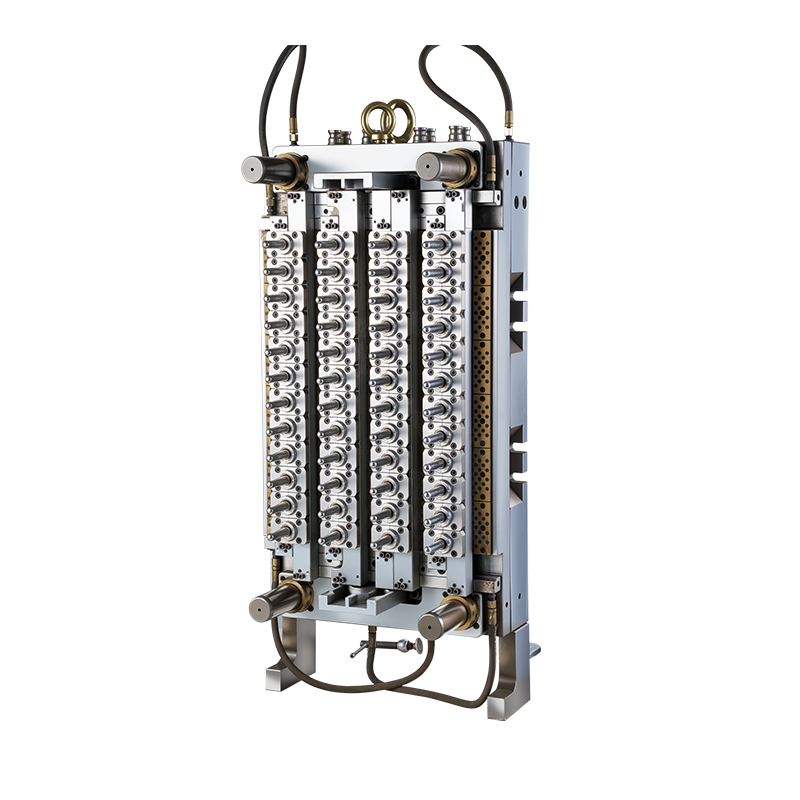
Cooling deserves more attention than it usually gets in supplier conversations. Poorly routed water channels force longer cycle times and introduce warpage. Conformal cooling — where channels are 3D-printed to follow the mold's contours more closely — has shown real cycle-time reductions in production environments, though it adds tooling cost upfront. Whether it's worth it depends heavily on annual volume.
Where Bottle Cap Molds Are Being Used and Why Demand Is Shifting
Beverage manufacturing still accounts for a large share of cap mold demand, and probably always will. Bottled water, carbonated soft drinks, sports drinks, juices — the volumes involved are enormous, and even small improvements in mold efficiency translate into significant cost savings at scale.
Pharmaceutical packaging represents a different kind of demand. The tolerances are tighter, regulatory requirements are more stringent, and the cap designs themselves — child-resistant closures, for instance — are considerably more complex than a standard threaded cap. Mold suppliers serving this segment need documented quality systems and the ability to produce validation data.
Personal care and household chemical products sit somewhere in between. Caps for shampoo bottles or cleaning sprays don't carry the same regulatory load as pharma packaging, but they do need to hold up against aggressive formulations and function reliably across a range of temperature conditions.
Geographically, growth is coming from markets in Southeast Asia, South Asia, and Latin America, where local food and beverage production capacity has expanded rapidly. These regions are generating sustained demand for tooling that delivers consistent output without requiring frequent maintenance intervention.
Maintaining a Bottle Cap Mold and Picking the Right Supplier
A mold that runs well on day one won't necessarily run well on day three hundred thousand if it isn't maintained. Ejector pins wear. Parting lines develop flash. Cooling circuits get partially blocked by mineral deposits. Scheduled cleaning, lubrication, and inspection intervals aren't optional — they're what separates a mold that reaches several million shots from one that needs expensive repairs at the halfway point.
When it comes to choosing a supplier, price is rarely the right place to start the conversation. Mold flow simulation capability, experience with the specific resins involved, dimensional inspection documentation, and after-sales responsiveness tend to be more predictive of long-term satisfaction. A supplier willing to run mold trials and share measurement data before shipping is usually a more reliable partner than one who isn't.
The bottle cap is a small thing. The Bottle Cap Mold that makes it, and the decisions that go into building and maintaining that mold, are anything but.