

 English
 русский
 Español
 عربى
عربىSomewhere on a factory floor, a technician is holding a preform up to the light, checking for the faint swirl marks that mean the resin didn't flow evenly through the cavity. It's a small, almost boring-looking piece of plastic — test-tube shaped, a little heavier than it looks — but it's also the starting point for nearly every plastic bottle a person picks up in a day. That gap between how unremarkable a preform looks and how much precision goes into making it is basically the whole story of a bottle preform mold factory.
What A Preform Mold Actually Has To Get Right
A preform mold isn't just a shape cut into metal. It has to manage heat distribution, resin flow, and cooling time all at once, and if any of those are slightly off, the results show up as thickness variation, warping, or a neck finish that doesn't seal properly with a cap. The neck finish, in particular, gets more attention than people expect — it has to match cap threading exactly, or the whole bottle becomes unusable regardless of how the body looks.
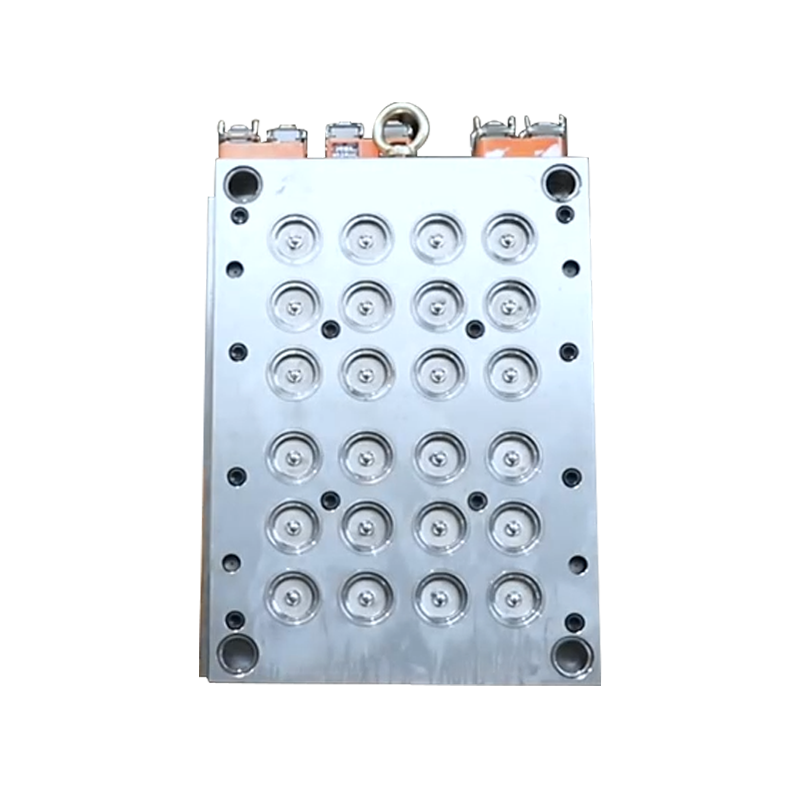
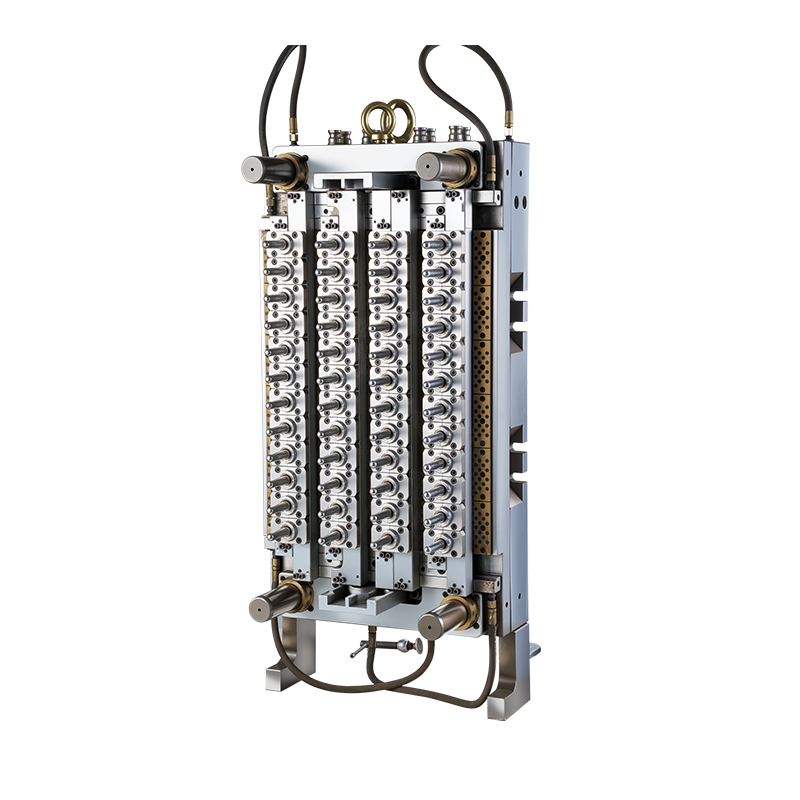
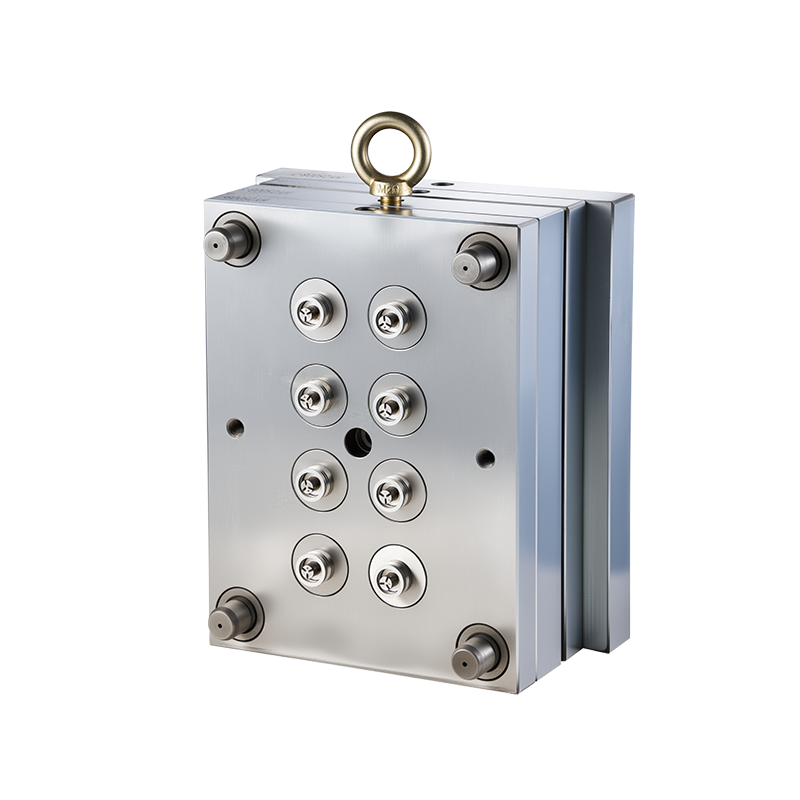
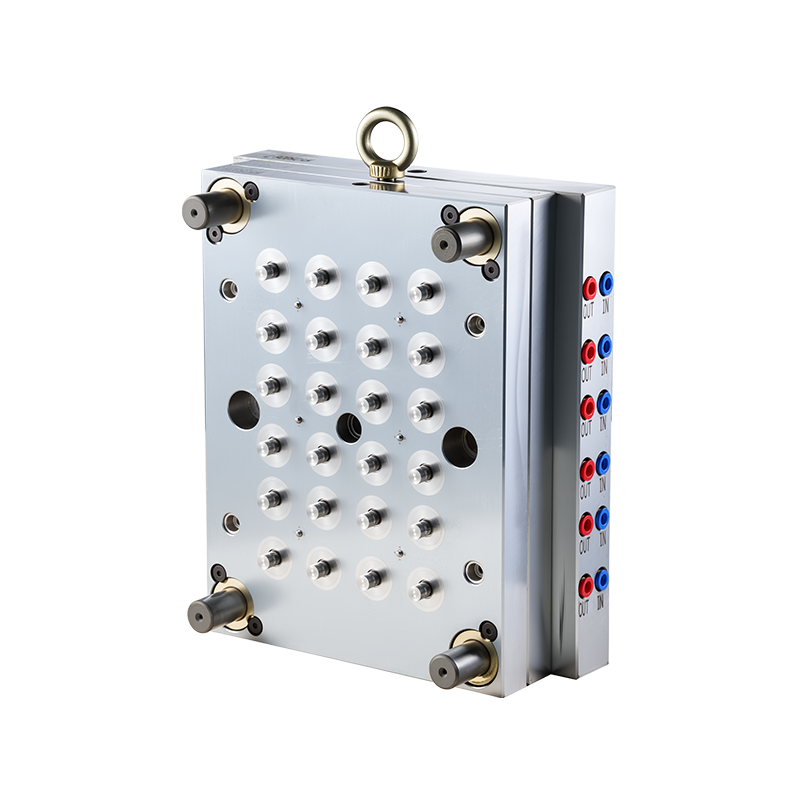
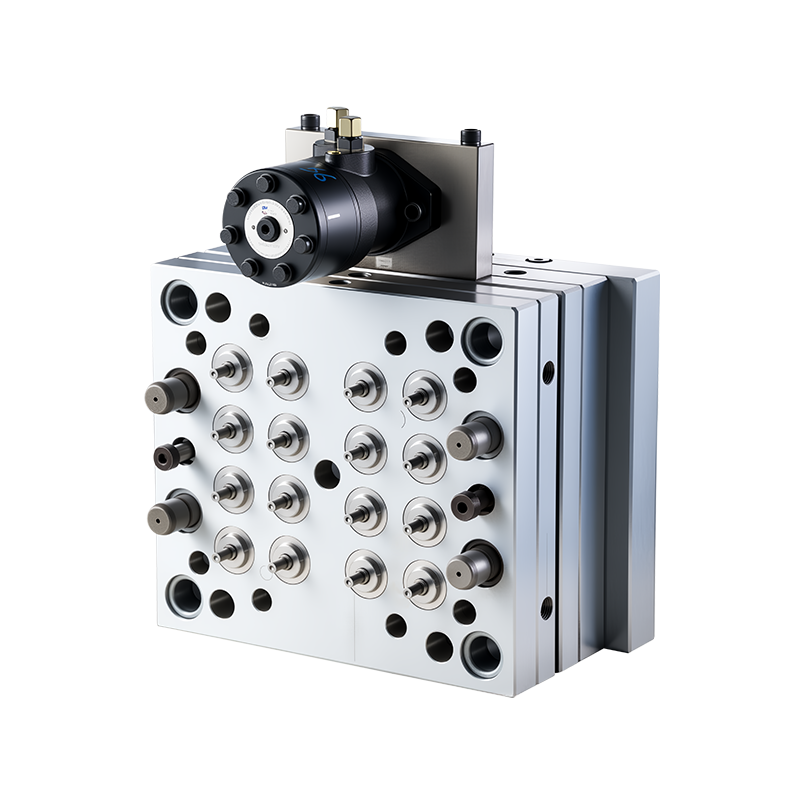
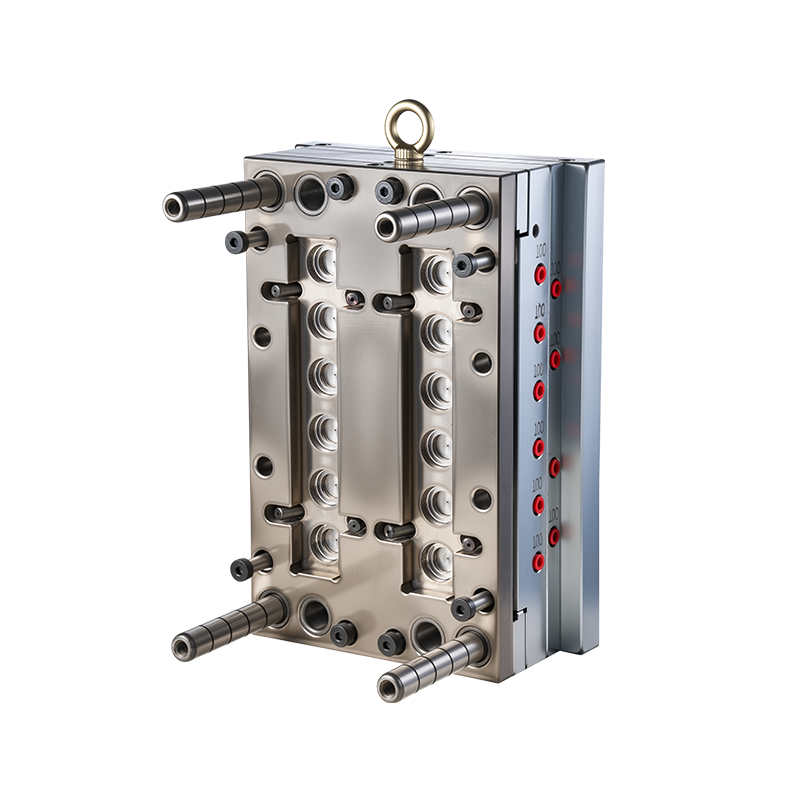
Cavity count is another detail buyers run into early. A mold might have anywhere from a handful of cavities to over a hundred, depending on the machine and the order size. More cavities generally mean faster output, but they also raise the bar for consistency — every single cavity has to produce a nearly identical preform, cycle after cycle, or the batch ends up mixed with rejects.
Materials And Resin Behavior
PET is the material most commonly associated with bottle preforms, but not all PET behaves the same way once it's inside a mold. Viscosity, moisture content, and even the pellet's prior drying process can change how it fills a cavity. A factory that's worked with a wide range of resin batches tends to catch these variables before they turn into a full production problem, rather than after a few thousand units have already come off the line.
Wall thickness is where a lot of this becomes visible. Too thin, and the bottle risks weak spots after blowing. Too thick, and material gets wasted along with cycle time. Getting this dialed in usually takes a few sample rounds, with adjustments made to injection pressure and cooling time between each one.
Common Points Of Friction In Sourcing
Buyers working with a bottle preform mold factory for the first time tend to run into a similar set of issues, regardless of what industry they're in:
- Sample turnaround taking longer than initially discussed
- Small variations in wall thickness between different production runs
- Communication gaps around mold modification timelines
None of these are unusual by industry standards, but they matter a lot when a buyer is coordinating preform delivery with a separate blow-molding operation on a tight schedule. A delay upstream at the mold factory has a way of rippling downstream fast.
Questions That Tend To Come Up During Sourcing
Procurement teams evaluating a new factory usually end up asking some version of the following:
- How many cavities does the mold support, and what's the realistic cycle time?
- What happens if a design revision is needed after the first sample round?
- How is resin sourced, and does the factory test incoming batches before use?
The answers vary between each Bottle Preform Mold Factory, and there isn't one correct response. A smaller Bottle Preform Mold Factory may suit low-volume projects, while larger factories often handle higher output. Clear communication during production is often more important than factory size.